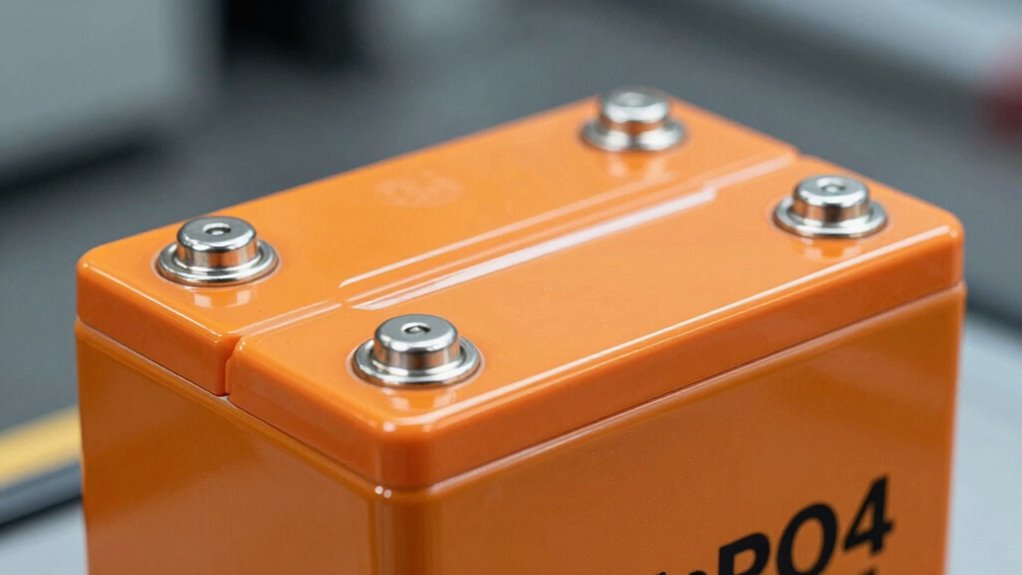
LiFePO4 batteries are popular for high-ticket backups because they deliver exceptional durability, safety, and a long lifespan—often over 2,000 cycles. They handle continuous use well and are cost-effective over time. Proper charging with the right protocols and temperature control helps extend their longevity even further. Their stability makes them reliable for solar, emergency power, and other demanding applications. Keep exploring how to maximize their performance for your backup needs.
Key Takeaways
- LiFePO4 batteries offer superior safety, stability, and durability for high-ticket backup systems.
- Their long cycle life exceeds 2,000 charge cycles, reducing replacement costs over time.
- Proper charging protocols and temperature management maximize lifespan and prevent damage.
- They maintain consistent performance under continuous use, ideal for critical backup applications.
- Their cost-effectiveness and reliable performance make them the preferred choice for high-value energy storage.
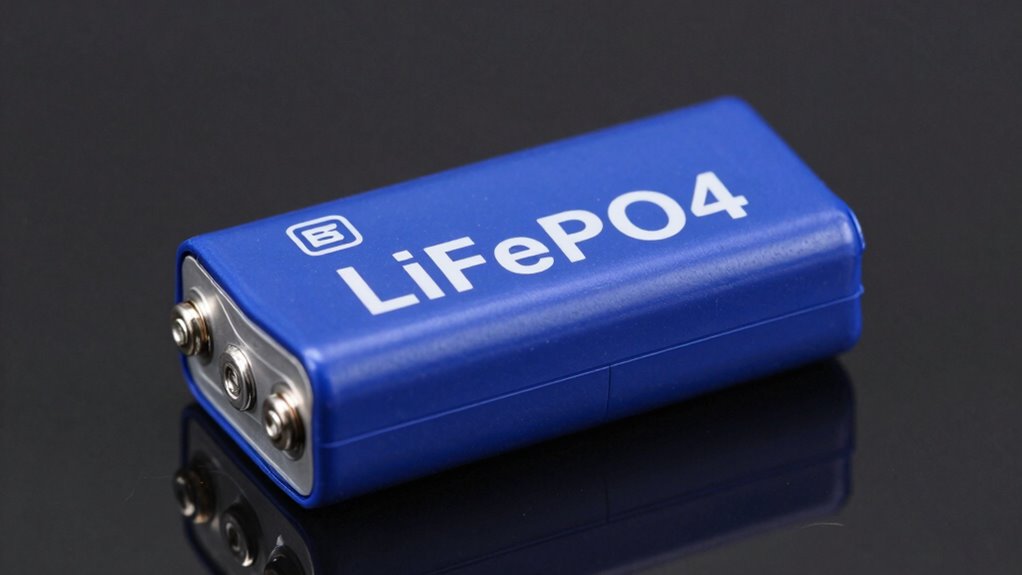
Are you curious about what makes LiFePO4 batteries a popular choice for energy storage? If so, you’re not alone. These batteries have gained a reputation for durability and safety, especially in backup systems where reliability is essential. One key reason is their impressive battery lifespan. Unlike other lithium-ion chemistries, LiFePO4 cells tend to last longer—often over 2,000 charge cycles—meaning you get more years of dependable performance before needing a replacement. This extended lifespan makes them a cost-effective investment over time, especially when used in high-ticket backup setups like solar energy systems or emergency power supplies. But longevity isn’t just about the chemistry; it also hinges on proper charging protocols. To maximize the lifespan of your LiFePO4 battery, you need to follow specific charging guidelines. Unlike lead-acid batteries, which require careful voltage regulation to prevent damage, LiFePO4 batteries are more forgiving but still benefit from controlled charging practices. For example, using a charger designed specifically for LiFePO4 chemistry ensures that the voltage remains within safe limits—typically around 14.6 volts per cell—preventing overcharging that could shorten the battery’s life. Additionally, maintaining a proper state of charge is essential; avoiding deep discharges below 20% capacity helps preserve the battery’s health and capacity over time. Many manufacturers recommend keeping the charge level between 20% and 80%, which reduces stress on the cells and extends their overall lifespan. Temperature management also plays a role. Charging at moderate temperatures, around 20-25°C, helps prevent thermal stress that could degrade the battery prematurely. Some advanced chargers incorporate temperature sensors and automatic cutoff features to protect the battery during both charging and discharging. Moreover, it’s important to use a charger with a gentle, regulated current to avoid sudden spikes that could damage the cells. Proper charging protocols, combined with the inherent stability of LiFePO4 chemistry, allow these batteries to sustain their performance over many years. In addition, understanding the importance of battery chemistry helps you make informed choices for your energy storage needs. This combination of long battery lifespan and safe, controlled charging makes LiFePO4 batteries a top choice for high-quality backup systems. They’re reliable, durable, and designed to handle the demands of continuous use—factors that appeal to anyone seeking a dependable energy storage solution. In the end, understanding and adhering to the right charging protocols guarantees you maximize the investment in your LiFePO4 battery, giving you peace of mind knowing your backup power will be ready whenever you need it most.
Frequently Asked Questions
How Does Lifepo4 Compare to Lithium-Ion in Lifespan?
You’ll find that LiFePO4 batteries have a longer lifespan than traditional lithium-ion ones, thanks to better cycle longevity. They typically endure around 2,000 to 3,000 cycles before significant degradation, while lithium-ion batteries usually last about 500 to 1,000 cycles. This enhanced durability is due to fewer degradation factors like thermal instability and voltage stress. So, for high-ticket backup, LiFePO4 offers superior longevity and reliability over standard lithium-ion options.
Are Lifepo4 Batteries Environmentally Friendly?
Absolutely, LiFePO4 batteries are incredibly eco-friendly! They use eco-friendly materials that are safer for the planet, and their recycling processes are efficient, reducing waste and environmental impact. Compared to other batteries, they last longer, meaning fewer replacements and less pollution. By choosing LiFePO4, you’re actively helping to protect the environment, making a powerful difference with a technology that’s as kind to our planet as it is reliable for your needs.
What Is the Ideal Temperature Range for Lifepo4 Use?
You should keep your LiFePO4 batteries within a temperature range of 0°C to 45°C for ideal performance. This range ensures good thermal stability and minimizes adverse temperature effects. Operating outside these limits can reduce battery lifespan, cause capacity loss, or even lead to safety issues. To maintain longevity and safety, avoid exposing your batteries to extreme cold or heat, and always store them in a temperature-controlled environment.
Can Lifepo4 Batteries Be Recycled Easily?
Yes, LiFePO4 batteries can be recycled, making them an environmentally friendly choice. You should participate in battery recycling programs to properly handle end-of-life batteries, reducing environmental impact. Recycling helps recover valuable materials like lithium, iron, and phosphate, lowering the need for new raw material extraction. By recycling your LiFePO4 batteries, you’re actively contributing to sustainable practices and minimizing harmful waste, making them a responsible backup power option.
How Do Charging Cycles Affect Lifepo4 Performance?
Think of your LiFePO4 battery like a piggy bank; each time you charge and discharge, you’re adding or removing coins. Charging cycle degradation gradually reduces performance, similar to a piggy bank with fewer coins over time. Usually, a high cycle count impact means the battery can handle over 2,000 cycles without significant loss. Properly managing charging cycles helps maintain peak performance and extends your battery’s lifespan.
Conclusion
In conclusion, LiFePO4 batteries are truly the superhero of backup power, offering unbeatable longevity, safety, and reliability. Their chemistry outperforms other options so convincingly that it’s like having a secret weapon for your energy needs. If you want a backup solution that won’t let you down when it matters most, switching to LiFePO4 is the smartest choice you can make—because in the world of batteries, they’re basically the rock stars of the game.