
Heat pumps change your home’s electricity patterns by shifting from direct resistance heating to an efficient heat transfer process, moving heat instead of generating it. This means your system uses less electricity and works more steadily, especially in moderate climates. Instead of peaking during extreme weather, your energy consumption levels out, lowering your bills and reducing grid strain. If you want to understand how these systems optimize energy use and improve reliability, there’s more to discover.

Get garden gear delivered free with Prime
- Fast, free delivery on millions of items
- Prime Video, Amazon Music and more included
- Member-only deals all year
Key Takeaways
- Heat pumps shift electricity use from direct resistance heating to efficient heat transfer processes.
- They reduce peak electricity demand during extreme weather by utilizing stable underground or outdoor temperatures.
- Electricity consumption becomes more consistent and steady, lowering overall energy bills.
- They decrease strain on electrical grids during high demand periods, supporting grid stability.
- Advances in geothermal technology enhance efficiency, further reducing electricity needs and environmental impact.
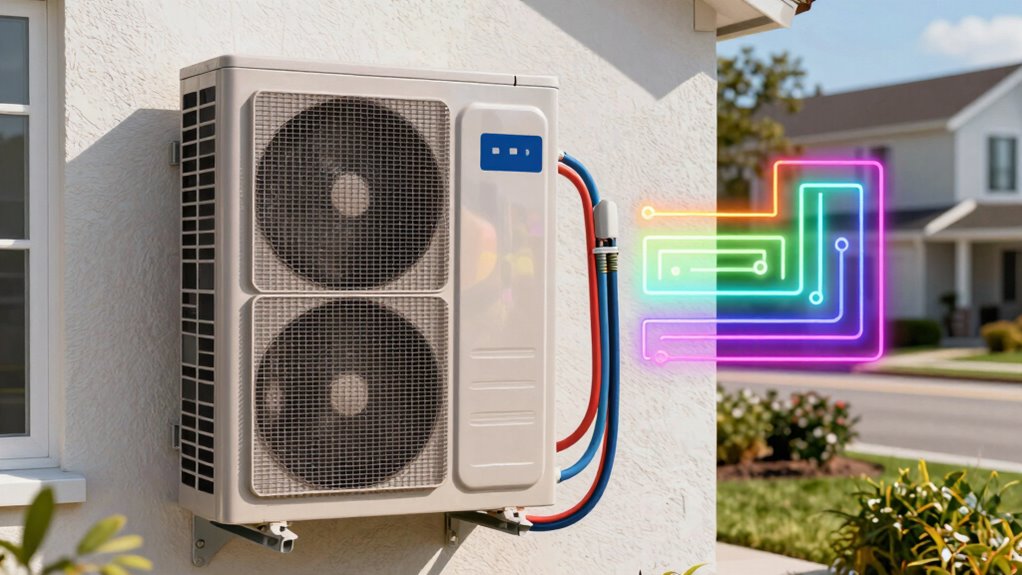
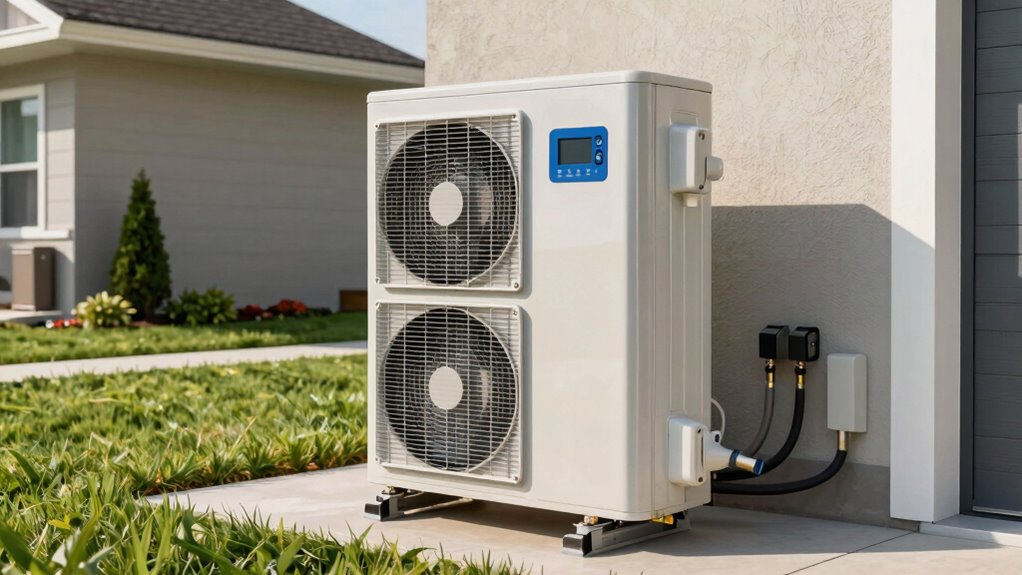
Have you ever wondered how heat pumps can efficiently keep your home warm or cool while using less electricity? The secret lies in their smart use of energy transfer, which markedly differs from traditional electric heating systems. Unlike electric resistance heaters that generate heat directly, heat pumps move existing heat from one place to another, making them highly efficient. This process relies heavily on geothermal efficiency when installed properly, meaning they tap into the stable underground temperature to maximize energy savings. Because the earth maintains a relatively constant temperature year-round, geothermal heat pumps can operate with less electrical input, providing a more sustainable and cost-effective way to heat and cool your home.
When you switch to a heat pump, your electricity consumption pattern changes quite a bit. Instead of drawing large amounts of power to generate heat directly, the system uses electricity to run a compressor and other components that transfer heat. This shift means your home’s heating and cooling rely less on electric resistance, which is energy-intensive. As a result, your overall electricity bills tend to drop, especially in moderate climates where the geothermal efficiency of the system can be fully utilized. During winter, the heat pump extracts heat from the ground or outside air, even when it’s cold outside, and moves that warmth indoors. Conversely, in summer, it can reverse the process to remove heat from your home and transfer it outside, providing cooling with minimal electrical use.
Because heat pumps operate more like a refrigerator in reverse, they change your home’s electricity patterns by reducing peak energy demand. Instead of running a traditional furnace or electric resistance heater that spikes your power usage, a heat pump offers a steadier, more consistent energy flow. This can help decrease strain on your electrical grid, especially during extreme weather conditions when electricity demand usually spikes. Plus, since the system uses the earth’s natural heat or ambient outdoor air, it performs with high geothermal efficiency, making it a smart choice for reducing your carbon footprint and energy costs. Additionally, the geothermal efficiency of heat pumps plays a crucial role in their ability to lower electricity consumption and promote sustainability. Understanding the energy transfer process involved can help you appreciate how these systems contribute to a more sustainable lifestyle. Moreover, advancements in technology continue to improve the performance and reliability of heat pumps, further enhancing their role in sustainable home heating and cooling solutions.
As an affiliate, we earn on qualifying purchases.
Frequently Asked Questions
How Do Heat Pumps Impact Overall Household Energy Bills?
Heat pumps can considerably lower your household energy bills through improved energy efficiency. By transferring heat rather than generating it, they use less electricity compared to traditional heating and cooling systems. This leads to substantial cost savings over time, especially in moderate climates. You’ll notice your bills decrease as your heat pump optimizes energy use, providing reliable comfort while reducing overall energy consumption and expenses.
Are Heat Pumps Effective in Extremely Cold Climates?
In the blink of an eye, heat pumps excel even in extremely cold climates. While efficiency challenges can arise, modern cold climate adaptations—like enhanced refrigerants—make them viable. These innovations allow heat pumps to operate effectively despite low temperatures, providing reliable heating. You’ll find that, with the right model, heat pumps can outperform traditional systems, offering both energy efficiency and sustainability, even when Jack Frost is nipping at your windows.
What Maintenance Is Required for Heat Pumps?
You need to perform regular maintenance on your heat pump to keep it running efficiently. This includes refrigerant maintenance, ensuring the levels are correct and there are no leaks. Additionally, you should replace or clean the filters regularly, usually every 1-3 months, to prevent dust buildup and maintain good airflow. Scheduling annual professional inspections can also help catch any issues early and prolong your heat pump’s lifespan.
Can Heat Pumps Be Integrated With Solar Energy Systems?
Sure, you can totally integrate your heat pump with a solar energy system—because who doesn’t want their home to be officially powered by sunshine and good intentions? Solar compatibility and system integration are straightforward, letting your heat pump run on clean energy. It’s like giving your home a green makeover while saving on bills. Just make sure your system’s compatible, and you’re all set for eco-friendly comfort all year round.
How Quickly Do Heat Pumps Typically Pay for Themselves?
Heat pumps usually pay for themselves within 3 to 7 years, depending on your energy savings and local electricity rates. A favorable cost comparison with traditional heating systems accelerates this return. However, installation challenges, like space requirements and proper system sizing, can impact the timeline. You should consider these factors carefully to maximize savings and guarantee the investment’s worth.
Conclusion
So, now you know that heat pumps aren’t just a fancy way to keep warm—they’re secretly rewiring your entire electricity routine. Who knew that flipping a switch could turn your home into a mini power plant? Embrace the chaos, enjoy the surge, and get ready to impress your friends with your newfound knowledge of electrifying home upgrades. After all, what’s more fun than transforming your cozy nest into a high-voltage adventure?
Fall yard work Picks
leaf blowers
As an affiliate, we earn on qualifying purchases.