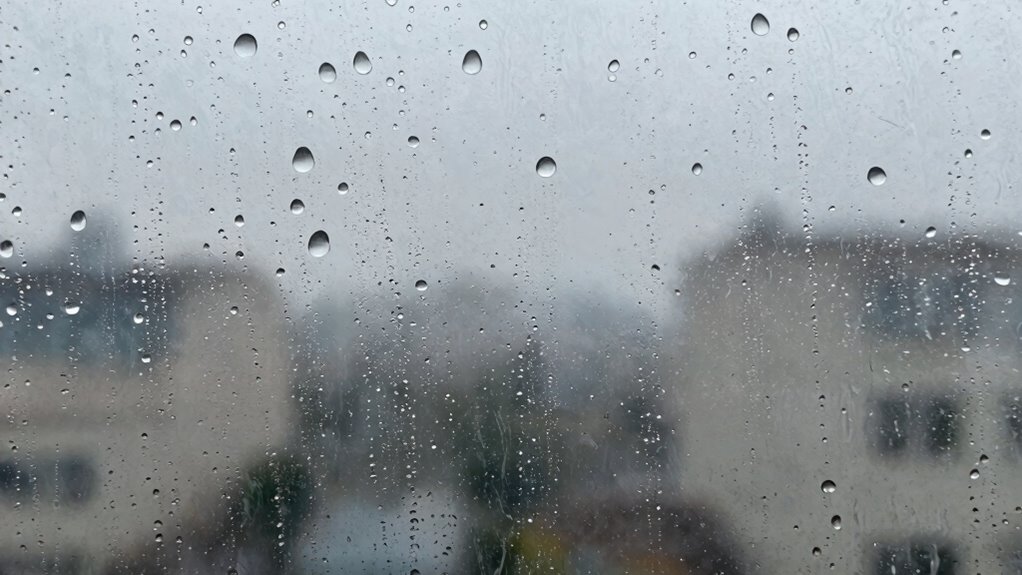

Condensation signals more than just excess moisture in your home; it points to ventilation problems that can cause mold growth. Mold spores can be inhaled unknowingly, affecting your respiratory health, worsening allergies, and triggering asthma. If you ignore condensation, the problem can spread and become costly to fix. Addressing these issues early protects not only your home but also your health. Keep exploring to discover how you can prevent and control these hidden risks effectively.

Get garden gear delivered free with Prime
- Fast, free delivery on millions of items
- Prime Video, Amazon Music and more included
- Member-only deals all year
Key Takeaways
- Persistent condensation indicates high humidity, which fosters mold growth that can harm respiratory health.
- Condensation signals inadequate ventilation, increasing the risk of airborne mold spores affecting indoor air quality.
- Moisture buildup from condensation creates breeding grounds for mold, leading to potential health issues over time.
- Ignoring condensation can allow mold to spread, exacerbating respiratory problems and allergies.
- Addressing condensation early helps prevent mold-related diseases and maintains a healthier living environment.
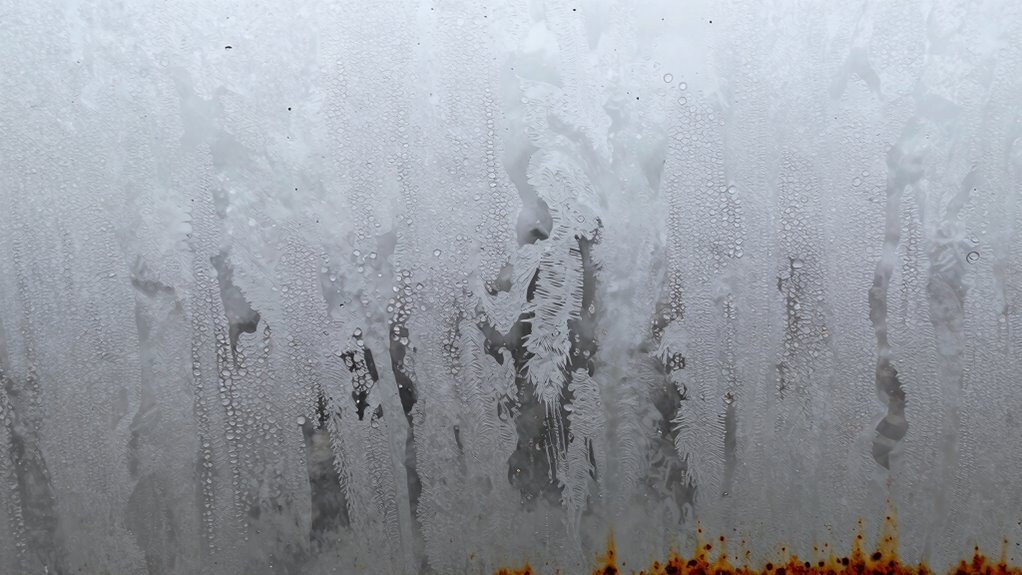
Could condensation on surfaces be more than just a sign of humidity? It’s easy to see it as a minor nuisance—something to wipe away or ignore. But in reality, this moisture can be a warning sign of deeper issues that go beyond simple dampness. When you notice persistent condensation, it often indicates that your indoor environment has high humidity levels, creating the perfect conditions for mold growth. Mold isn’t just unsightly; it can pose serious health risks, especially to your respiratory health. Breathing in mold spores can irritate your airways, trigger allergies, and worsen asthma symptoms. Over time, unchecked mold can spread across walls, ceilings, and other surfaces, making it even harder to control and increasing the risk to your well-being.
The presence of ongoing condensation suggests that your home’s ventilation might be inadequate or that moisture sources like cooking, laundry, or even simple daily activities are contributing to an unhealthy environment. When moisture isn’t properly managed, it doesn’t just disappear—it settles into the air and onto surfaces, creating the perfect breeding ground for mold. Once mold begins to grow, it releases spores into the air, which you might unknowingly inhale. This constant exposure can weaken your respiratory health, leading to coughing, wheezing, or more severe respiratory issues over time. If you or your family members already have allergies or asthma, condensation-driven mold growth can considerably worsen these conditions.
Ignoring condensation doesn’t make it go away; instead, it allows the problem to escalate. The longer you allow moisture to linger, the more likely you are to face mold infestations that are difficult and costly to remove. Addressing the root causes—such as improving ventilation, using dehumidifiers, or fixing leaks—can markedly reduce mold growth and protect your respiratory health. Recognizing condensation as a disease signal helps you see it not as a minor inconvenience but as an important warning. It’s your body’s way of alerting you to potential health threats lurking in your home environment. Proper ventilation is a key factor in managing indoor humidity and preventing condensation from becoming a health hazard. Additionally, understanding indoor moisture sources can help you identify where excess humidity originates and take targeted steps to reduce it. Being aware of humidity levels in your home can also guide you in maintaining a healthier environment and avoiding the development of mold-related issues. Monitoring air quality can further assist in detecting early signs of mold and moisture problems before they become severe.
As an affiliate, we earn on qualifying purchases.
Frequently Asked Questions
Can Condensation Cause Long-Term Structural Damage?
Yes, condensation can cause long-term structural damage. When moisture persists, it promotes mold growth and surface deterioration, weakening building materials over time. You might notice peeling paint, warped surfaces, or musty odors, indicating hidden issues. Addressing condensation early helps prevent these damages, protecting your property’s integrity and health. Regular ventilation and moisture control are essential to avoiding long-term problems caused by condensation.
How Quickly Can Condensation Lead to Health Issues?
Condensation can cause health issues within days or weeks if not addressed. It hampers ventilation strategies, trapping moisture and pollutants, which deteriorates air quality. Poor ventilation allows mold, bacteria, and dust mites to thrive, increasing allergy and asthma risks. To prevent this, you should improve airflow, maintain consistent humidity levels, and use dehumidifiers. Acting quickly helps protect your health and keeps your indoor environment safe.
Are Certain Building Materials More Prone to Condensation?
Certain building materials are more prone to condensation, and you’d be shocked how much! Materials with high permeability, like unsealed wood or porous bricks, let moisture seep in like a sponge, making condensation worse. If insulation isn’t efficient, temperature differences encourage moisture buildup on these surfaces. You need to choose low-permeability materials paired with high-insulation efficiency to keep condensation—and its health risks—at bay.
Does Humidity Level Affect Condensation Risk?
Yes, humidity level considerably affects condensation risk. When indoor air is humid, it contains more moisture, making it easier for condensation to form on cool surfaces. External climate also plays a role; in colder weather, warm indoor air meets the cold exterior, increasing condensation chances. Monitoring and controlling indoor humidity helps reduce this risk, especially during seasonal changes or in climates with high external humidity.
Can Condensation Be Completely Eliminated From Homes?
Condensation is like trying to catch water in a leaky bucket; it’s nearly impossible to eliminate completely. You can greatly reduce it by improving insulation and employing effective ventilation strategies, like exhaust fans and air circulation. While some moisture may always sneak in, consistent maintenance, sealing leaks, and controlling indoor humidity make it manageable. Think of it as controlling a flood rather than stopping rain — always ongoing, but manageable.
Conclusion
If you ignore condensation, you’re not just dealing with a little moisture—you’re inviting an invasion of mold, bacteria, and structural ruin that could dwarf any health concern you’ve ever faced. Think of condensation as a silent alarm—warning you that your home’s health is on the line. Don’t brush it off! Fix it now, or risk turning your living space into a breeding ground for disease and decay so fierce, it could wipe out everything you’ve built.
Halloween Picks
halloween
As an affiliate, we earn on qualifying purchases.