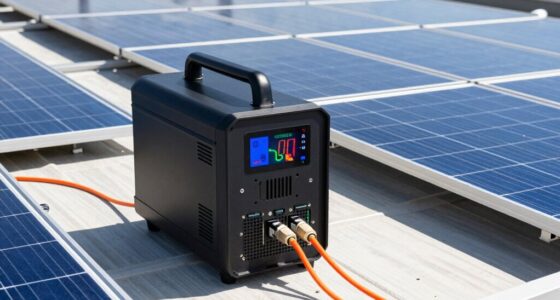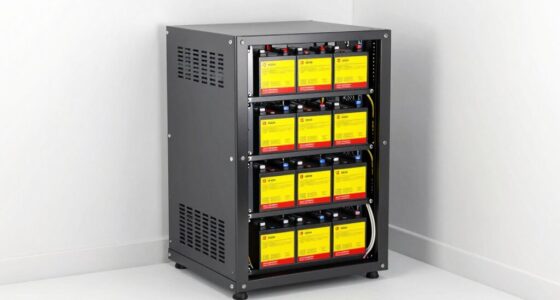
The energy storage revolution is happening with innovative solutions like sodium-ion batteries, flow batteries, and advanced solid-state options. These technologies offer safer, more efficient, and cost-effective ways to store renewable energy at scale. Sodium-ion batteries use abundant materials, while flow batteries excel in long-duration storage. Solid-state batteries provide durability and stability. As these breakthroughs develop, they’re shaping a cleaner, more reliable grid—stay with us to explore how these advances will transform our energy future.

Get garden gear delivered free with Prime
- Fast, free delivery on millions of items
- Prime Video, Amazon Music and more included
- Member-only deals all year
Key Takeaways
- Sodium-ion batteries offer a low-cost, sustainable alternative to lithium-ion with comparable energy storage performance.
- Flow batteries provide scalable, long-duration energy storage ideal for grid stabilization and renewable integration.
- Solid-state electrolytes enhance safety, energy density, and longevity in large-scale storage systems.
- Emerging technologies like flow and sodium-ion batteries complement solid-state solutions, expanding storage options.
- Continuous innovation accelerates the shift toward efficient, durable, and cost-effective energy storage for a cleaner grid.
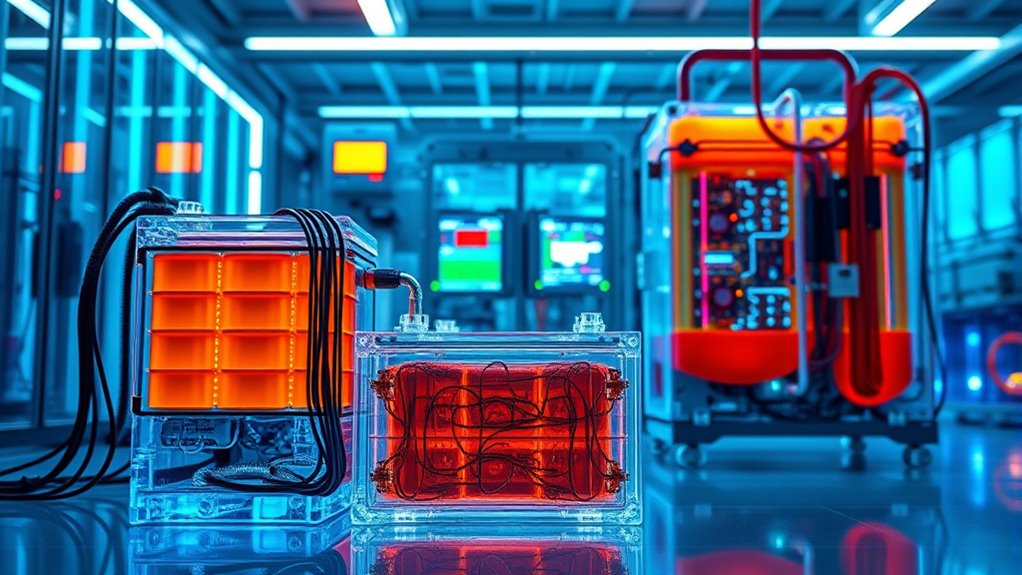
The energy storage revolution is transforming how we power our world, making renewable energy more reliable and accessible than ever before. As the demand for sustainable solutions grows, innovative technologies are emerging to address the limitations of traditional batteries. One of the most promising developments involves solid state electrolytes, which are revolutionizing how energy is stored and managed on a large scale. Unlike conventional liquid electrolytes, solid state electrolytes offer higher safety, increased energy density, and longer cycle life, critical factors for grid scale solutions. You’ll find these advancements playing a pivotal role in creating more resilient and efficient energy infrastructure, capable of handling fluctuating renewable sources like wind and solar.
Solid state electrolytes are key to safer, more efficient large-scale renewable energy storage solutions.
With solid state electrolytes, you gain a safer, more stable option that minimizes risks associated with leaks or fires. This makes them particularly attractive for grid scale solutions where safety and reliability are paramount. These batteries can store vast amounts of energy and deliver power consistently over extended periods, making them suitable for large-scale applications. As the technology matures, costs are expected to decrease, making grid-scale energy storage more affordable and accessible. This shift supports the integration of renewable energy into the grid, reducing dependence on fossil fuels and lowering greenhouse gas emissions. You’ll see these batteries helping utilities balance supply and demand, smoothing out periods of low renewable output, and providing backup power during outages.
Beyond solid state electrolytes, other innovative storage technologies are gaining traction, such as flow batteries and sodium-ion batteries. Flow batteries, which store energy in liquid electrolytes contained in external tanks, excel in scalability and long-duration storage. They can be scaled up easily, making them ideal for grid applications that require large capacities. Sodium-ion batteries, on the other hand, share similarities with lithium-ion but use abundant, cost-effective sodium. They promise a sustainable alternative with comparable performance, suitable for both grid solutions and portable devices.
While each technology has its advantages and challenges, the common thread is the push toward more sustainable, safer, and scalable energy storage options. You’ll find that these innovations are not just theoretical—they’re actively being deployed in real-world scenarios, helping utilities and communities transition to cleaner energy sources. As research continues, expect to see even more efficient, durable, and cost-effective solutions emerging, further accelerating the energy storage revolution. This ongoing evolution is setting the stage for a future where renewable energy isn’t just an option but the primary source of power, fundamentally changing the way we live and work.
Popular right now

TCL 85-Inch QM6K Series QLED Mini LED 4K HDR Smart Google TV

Philips 4400 Series Fully Automatic Espresso Machine with LatteGo Milk System

iRobot Roomba 105 Vac Robot Vacuum
As an affiliate, we earn on qualifying purchases.
Frequently Asked Questions
What Are the Environmental Impacts of Sodium-Ion Batteries?
You might wonder about sodium-ion batteries’ environmental impacts. They generally have a smaller carbon footprint than lithium batteries, thanks to abundant, recyclable sodium resources. By promoting battery recycling, you help minimize waste and conserve resources, supporting sustainability. While their production can still affect ecosystems, sodium-ion batteries offer a more eco-friendly alternative, reducing reliance on scarce materials and contributing positively to resource sustainability efforts.
How Do Flow Batteries Compare in Lifespan to Lithium-Ion?
You see flow batteries and lithium-ion batteries as energy storage options with different lifespans. Flow battery durability often surpasses lithium-ion longevity because flow batteries can last 10,000 cycles or more, providing extended operational life. In contrast, lithium-ion batteries typically offer 1,000 to 3,000 cycles before their capacity declines considerably. This difference makes flow batteries a durable, long-term solution, especially for large-scale and grid applications.
Are There Any Safety Concerns With Advanced Energy Storage Systems?
You should know that advanced energy storage systems pose some safety concerns, mainly fire hazards and thermal runaway risks. While these systems are designed with safety features, they can still overheat or catch fire if damaged or improperly managed. It’s essential to follow proper handling procedures, guarantee regular maintenance, and use advanced safety mechanisms to minimize these risks and keep your energy storage systems safe and reliable.
What Are the Costs Associated With Large-Scale Flow Battery Deployment?
When considering large-scale flow battery deployment, you should look at the cost analysis carefully. These systems often have high initial costs due to materials and technology, and infrastructure challenges can add to expenses. You might face costs related to installing and maintaining the necessary infrastructure, including pumps and containment. While they offer long-term benefits, understanding these upfront costs helps you plan better and evaluate their economic viability.
How Soon Can These Technologies Be Commercially Available at Scale?
Imagine a new car model ready for the showroom but still maneuvering factory assembly lines. Similarly, flow batteries are advancing, but market readiness hinges on overcoming manufacturing challenges. Experts estimate that, with current progress, large-scale commercial availability could be within 5 to 10 years. You’ll see these technologies become mainstream as industry scales up production and resolves technical hurdles, making energy storage more reliable and affordable.
Conclusion
As you embrace this energy storage revolution, imagine a future where batteries flow like rivers, ready to power your world with the strength of a thousand storms. Sodium-ion and flow batteries are paving the way, transforming fleeting sparks into steady flames of innovation. Like Prometheus stealing fire for mankind, you’re on the cusp of opening a new era—where energy flows endlessly, and your role becomes essential in shaping a sustainable tomorrow.