Understanding water rights helps you know who can access water, how much they’re entitled to, and how priorities shift during droughts. These rights are based on legal doctrines like prior appropriation and riparian rights, guiding water allocation when supplies are scarce. They also allow agencies to enforce restrictions and reallocate resources during emergencies. To better grasp how water rights influence drought management and your role in conservation, keep exploring these essential concepts.
Key Takeaways
- Water rights determine who can access and use water during droughts, affecting allocation priorities.
- Legal doctrines like prior appropriation and riparian rights establish water distribution hierarchy in shortages.
- Drought planning involves prioritizing municipal and environmental needs over agriculture and industry.
- Water rights enable agencies to enforce restrictions and adapt allocations during severe drought conditions.
- Flexibility within legal frameworks allows reallocation and conservation measures to ensure essential water use.

Have you ever wondered how water rights influence your ability to access water during a drought? Water rights determine who can use water from a particular source and how much they can take. During droughts, these rights become especially essential because they directly impact water allocation—deciding who gets water and in what amounts. When supplies are limited, understanding how water rights are prioritized helps you grasp why some users receive water while others don’t. Water rights are often based on legal doctrines like prior appropriation or riparian rights, which establish the sequence and conditions under which water can be diverted or used. This legal framework influences drought mitigation efforts by creating a clear hierarchy that guides how water is distributed when scarcity hits. Recognizing the legal basis of water rights is crucial for understanding how allocations are determined during shortages.
In a drought scenario, water allocation governed by these rights becomes a critical tool for managing limited resources efficiently. For example, water rights can specify that certain users, such as municipal or environmental needs, receive water before agricultural or industrial users. This prioritization aims to balance competing demands and sustain essential functions during times of shortage. Knowing your water rights allows you to anticipate how much water you might receive during a drought and understand the legal basis behind these decisions. Governments and water agencies often implement drought mitigation strategies that incorporate existing water rights systems, ensuring that the most important needs are met first. These strategies might include curtailing water use for non-essential activities or imposing temporary restrictions to prevent over-extraction from stressed sources.
Effective drought mitigation relies heavily on a well-understood framework of water rights and the associated water allocation plans. When drought conditions worsen, agencies can enforce restrictions based on the legal hierarchy of rights, ensuring fair and sustainable distribution. If you’re a water user, understanding these rules helps you plan for potential shortages, whether that means investing in water conservation measures or adapting your usage patterns. Additionally, water rights can be adjusted or temporarily modified during severe droughts through legal processes, allowing authorities to reallocate resources to where they’re needed most. This flexibility is essential for effective drought mitigation, helping communities and ecosystems survive periods of extreme scarcity.
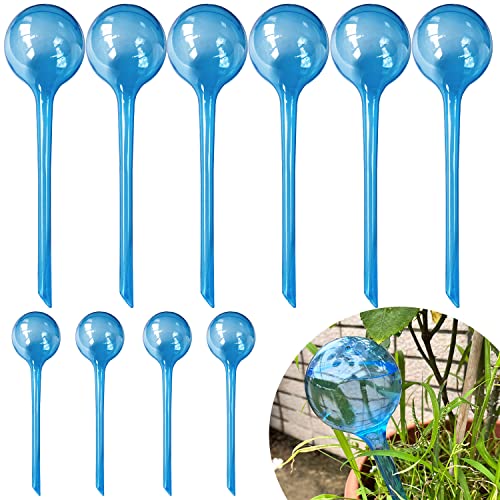
MOONSOUND Self Watering Globes for Plants – 10pcs Automatic Watering Bulbs for Indoor & Outdoor Potted Plants, Vacation Plant Care, Water Conservation Device
Plant Self-watering Bulbs: The main advantage of using plant watering globes is their ability to provide a self-watering…
As an affiliate, we earn on qualifying purchases.
As an affiliate, we earn on qualifying purchases.
Frequently Asked Questions
How Do Water Rights Differ Between States?
You’ll find that water rights differ between states, affecting how you can use and transfer water. Some states follow prior appropriation, while others use riparian rights, shaping your access and responsibilities. These differences can lead to interstate water conflicts if states don’t coordinate. Also, you might explore water rights transfer options, but be aware that regulations vary, so understanding local laws assists in preventing legal issues and ensures your water use aligns with state policies.
What Legal Recourse Exists During Water Shortages?
When water dries up like a cracked desert, your legal options are your lifelines. You can pursue water rights disputes, challenging others or authorities over access, or seek legal enforcement through courts to protect your entitlement. These remedies act as your shield in times of shortage, ensuring your right to water isn’t just a mirage. Stay informed, and be prepared to navigate the legal landscape to defend your water rights during droughts.
How Can I Apply for New Water Rights?
You can apply for new water rights by submitting a formal application to your state’s water agency, detailing your intended water use and location. During the process, you’ll need to demonstrate water allocation needs and may explore rights transfer options if you already hold some rights. Make sure to follow local regulations, provide necessary documentation, and stay engaged with the agency to confirm your application moves forward smoothly.
What Are the Economic Impacts of Drought on Water Rights?
Ever wonder how drought affects water rights‘ value? Drought lowers water availability, leading to economic valuation changes and increased market trading of water rights. You might find that scarcity drives up prices, impacting farmers and industries relying on water. Drought’s economic impacts ripple through local economies, forcing you to adapt and reconsider water use strategies. Isn’t it essential to understand these shifts to better manage your water rights during dry periods?
How Is Climate Change Affecting Water Rights Policies?
Climate change is prompting you to rethink water rights policies through climate adaptation strategies. As droughts become more frequent and severe, policy reform becomes essential to guarantee sustainable water management. You’ll need to adjust existing laws to prioritize conservation, equitable distribution, and resilience. By proactively updating policies, you help safeguard water resources, protect ecosystems, and support communities facing unpredictable climate impacts.

RESTMO Water Flow Meter with Brass Inlet Metal Thread, Measure Gallon/Liter Consumption and Flow Rate for Outdoor Garden Hose Watering, RV Water Tank Filling, Lawn Sprinkler and Nozzle Sprayer
Pure Brass Inlet & Metal Thread: Durable heavy-duty brass construction ensures exceptional durability and effortless installation or removal.
As an affiliate, we earn on qualifying purchases.
As an affiliate, we earn on qualifying purchases.
Conclusion
Understanding water rights and drought planning helps you make smarter decisions during shortages. By knowing your rights and how to prepare, you can protect your access to water when it’s most needed. Some believe that strict regulations limit flexibility, but in reality, these laws promote fairness and sustainability. Embracing this knowledge empowers you to adapt and thrive, even in challenging times. Stay informed, plan ahead, and enjoy a more secure water future.

Collapsible Rain Barrel Water Storage Containers-53 Gallon Portable Rainwater Collect System Water Tank to Collect Rainwater from Gutter Downspout Water Catcher with Spigots,Filter&Overflow Kits
【Leak-Proof Design】Unlike typical rain barrels, our product features an integrated design with a straightforward screw-in faucet, eliminating the…
As an affiliate, we earn on qualifying purchases.
As an affiliate, we earn on qualifying purchases.
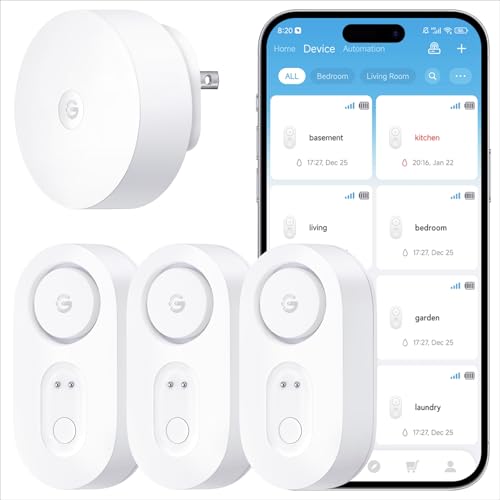
GoveeLife Upgraded Smart Water Leak Detector 1s with 1804 ft Ultra-Long Range, WiFi Water Sensor with SMS/Email/APP Push and Sound Alarm, 5-Year Battery Life, Suit for Home, Basement, Kitchen, 3 Pack
Breakthrough 1804 ft Connectivity: Engineered with advanced Sub-1G long-range wireless tech, our leak detector maintains robust signals over…
As an affiliate, we earn on qualifying purchases.
As an affiliate, we earn on qualifying purchases.