

Earth Day drives awareness and motivates action, encouraging you to support environmental policies that promote renewable energy, conservation, and community involvement. It mobilizes collective voices, influencing lawmakers to prioritize sustainable initiatives and strengthen laws protecting natural resources. This day empowers grassroots movements and public engagement, making environmental issues part of political discussions. By participating, you help shape a future where policies align with protecting our planet—continue exploring how your actions can make an even bigger impact.
Key Takeaways
- Earth Day raises awareness, inspiring policy shifts toward renewable energy and green technology investments.
- It mobilizes communities for conservation efforts, influencing stricter environmental protections and habitat restoration laws.
- Public engagement during Earth Day creates collective pressure on policymakers to adopt ambitious environmental targets.
- Grassroots movements driven by Earth Day activities demonstrate tangible ecological benefits, shaping national sustainability agendas.
- The event sustains ongoing dialogue, ensuring environmental issues remain a priority in political decision-making.

Have you ever wondered how governments and organizations are working to protect our planet? Earth Day serves as a powerful catalyst for this effort, inspiring widespread awareness and action. One of the key ways it influences environmental policy is by encouraging the adoption of renewable initiatives. These initiatives promote the use of clean energy sources like solar, wind, and hydro power, aiming to reduce our reliance on fossil fuels that contribute to climate change. When communities come together on Earth Day, they often push for policies that support these renewable initiatives, advocating for investments in green technology and infrastructure. This collective demand can lead to legislative changes that prioritize sustainable energy solutions, making a real difference in how nations address environmental challenges.
Earth Day inspires policy changes by promoting renewable energy initiatives and community advocacy for sustainable solutions.
Alongside renewable initiatives, conservation strategies play a crucial role in shaping policy inspired by Earth Day. Conservation involves protecting natural resources, preserving biodiversity, and maintaining ecosystems that are essential for our survival. Earth Day rallies help spotlight the importance of these strategies, urging governments to implement stricter protections for forests, wetlands, and wildlife habitats. Local communities often participate in cleanup events, tree planting, and habitat restoration projects that demonstrate the tangible benefits of conservation efforts. These grassroots actions can influence policymakers to strengthen laws and regulations that safeguard the environment. By highlighting successful conservation strategies, Earth Day fosters a sense of shared responsibility, motivating policymakers to integrate sustainable practices into national agendas. Recognizing the importance of natural resource management can further enhance these conservation efforts.
Moreover, Earth Day acts as a platform for public engagement, ensuring that environmental issues remain at the forefront of political discourse. When people unite to celebrate the planet, they create a powerful voice that demands action from elected officials. This collective voice often results in more ambitious policy commitments, such as setting renewable energy targets or establishing protected areas. Organizations and advocacy groups leverage the momentum of Earth Day to push for stronger enforcement of existing laws and the creation of new policies that support sustainable development. In this way, Earth Day not only raises awareness but also helps turn environmental ideals into concrete policy measures. Recognizing the role of spiritual energy in fostering a sense of connection and responsibility can further empower communities to take meaningful environmental action.
Ultimately, your participation in Earth Day amplifies these efforts. Your support for renewable initiatives and conservation strategies helps demonstrate to leaders that protecting the environment is a priority for the public. By engaging in activities and advocating for change, you contribute to shaping policies that aim for a healthier, more sustainable future. Earth Day’s influence extends far beyond a single day; it sparks ongoing dialogue and action that drive real policy change, ensuring our planet remains resilient for generations to come.

Rain Bird SST600IN Simple-to-Set Indoor Sprinkler/Irrigation System Timer/Controller, 6-Zone/Station (This New/Improved Model Replaces SST600I),Gray/Green
This timer is so easy to program you won't need the instructions
As an affiliate, we earn on qualifying purchases.
Frequently Asked Questions
How Do Schools Incorporate Earth Day Into Their Curriculum?
You can see schools incorporate Earth Day by promoting sustainable school programs and eco-friendly classroom practices. Teachers often organize activities like recycling drives, nature walks, and gardening projects to raise awareness. Students might participate in clean-up events or create art from recycled materials. These efforts inspire students to adopt eco-conscious habits daily, fostering a culture of environmental responsibility that extends beyond Earth Day and into ongoing sustainability initiatives.
What Are the Most Effective Grassroots Movements Inspired by Earth Day?
You see grassroots movements inspired by Earth Day thrive through community activism, where people unite to champion environmental causes. These movements often focus on promoting renewable energy, encouraging local solar projects, and advocating for policy changes. By participating in or supporting these initiatives, you help amplify the movement’s impact, fostering sustainable practices and inspiring others to take action. Your involvement fuels collective efforts to protect the environment and create lasting change.
How Do Corporations Participate in Earth Day Initiatives?
Did you know that over 70% of consumers prefer brands committed to sustainability? On Earth Day, you can see corporations actively participating by promoting corporate sustainability through green marketing. They organize local cleanups, reduce waste, and highlight eco-friendly practices. Your role is to support these initiatives, encouraging companies to embed environmental responsibility into their core strategies. This collective effort helps foster meaningful change and raises awareness about the importance of protecting our planet.
What Are the Long-Term Impacts of Earth Day Campaigns?
You see that Earth Day campaigns drive long-term impacts by inspiring policy shifts and boosting community engagement. When you participate, you help foster greater awareness and pressure policymakers to adopt sustainable practices. Over time, these efforts lead to stronger environmental laws and increased local initiatives. Your involvement creates a ripple effect, encouraging others to take action, which ultimately helps build a more sustainable future for everyone.
How Has Earth Day Evolved Globally Over the Decades?
You see how Earth Day has evolved globally over decades by increasing climate awareness and inspiring environmental activism worldwide. Initially focused on local cleanups, it now promotes global climate change initiatives and policy commitments. As more people participate, your awareness grows, and collective action intensifies. This evolution fuels a stronger environmental movement, encouraging governments and individuals alike to prioritize sustainability and protect our planet for future generations.
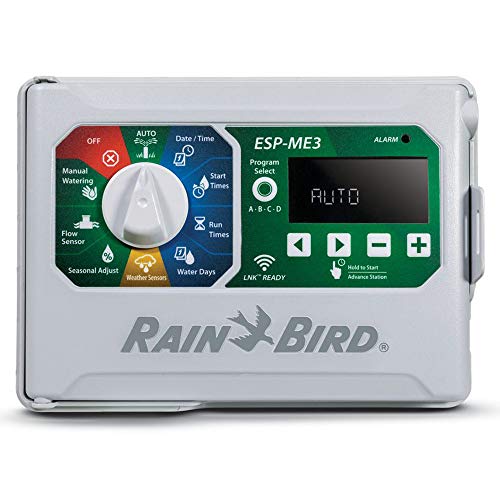
Rain-Bird Controller Indoor Outdoor Lawn Irrigation Sprinkler Timer ESPME3 (Controller Only)
With 4 to 22 stations, the ESP-ME3 provides the station count options customers need. Install the same controller...
As an affiliate, we earn on qualifying purchases.
Conclusion
Every Earth Day, you stand at the crossroads of change, shaping policies and inspiring action. You can plant hope, nurture awareness, and ignite passion. You can champion conservation, demand accountability, and embrace sustainability. Together, your choices echo through forests, skies, and oceans. With each step you take, you weave a future of harmony, a world of balance. Earth Day empowers you to act, to protect, and to preserve—because your actions today will define tomorrow’s Earth.

Rachio WiFi Smart Sprinkler Controller (16-Zone Irrigation Remote Control) – App-Based Scheduling, Local Weather Intelligence, Rain Skips, Easy DIY Install
DITCH THE DIAL – Upgrade to smart irrigation with the free Rachio app for precise, easy control.
As an affiliate, we earn on qualifying purchases.

Orbit 57950 B-hyve 12-Zone Smart Indoor/Outdoor Sprinkler Controller
EFFICIENT WATERING SOLUTION - The smart sprinkler controller ensures automatic watering with precision, saving you time and effort.
As an affiliate, we earn on qualifying purchases.