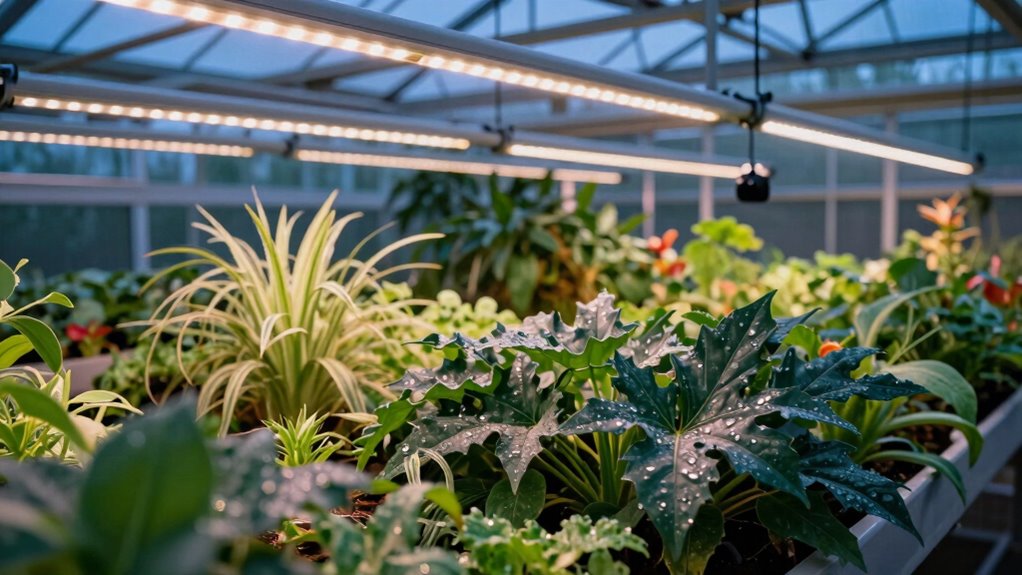
Supplemental LED lighting in greenhouses is worth considering when natural sunlight is limited, such as during winter or in cloudy regions. LEDs boost plant growth, extend growing seasons, and improve yields by providing tailored red and blue light that plants use most effectively. They’re energy-efficient, cost-saving, and versatile, allowing you to optimize conditions for high-value crops. If you want to maximize plant health and productivity year-round, understanding how to use LEDs effectively can make a big difference.
Get ready for Prime Big Deal Days — try Prime free
Exclusive member deals on October 6–7, plus fast free delivery. Cancel anytime.
As an affiliate, we earn on qualifying purchases.
Key Takeaways
- Supplemental LED lighting is most beneficial during winter or low sunlight periods to extend growing seasons.
- It enhances crop yields and plant health for high-value or long-growth-cycle plants.
- Proper spectral customization ensures optimal photosynthesis and plant development.
- Energy-efficient LEDs reduce operational costs and heat output, enabling closer placement and lower cooling needs.
- A cost-benefit analysis shows LED investments are worthwhile when energy savings and yield improvements are considered.
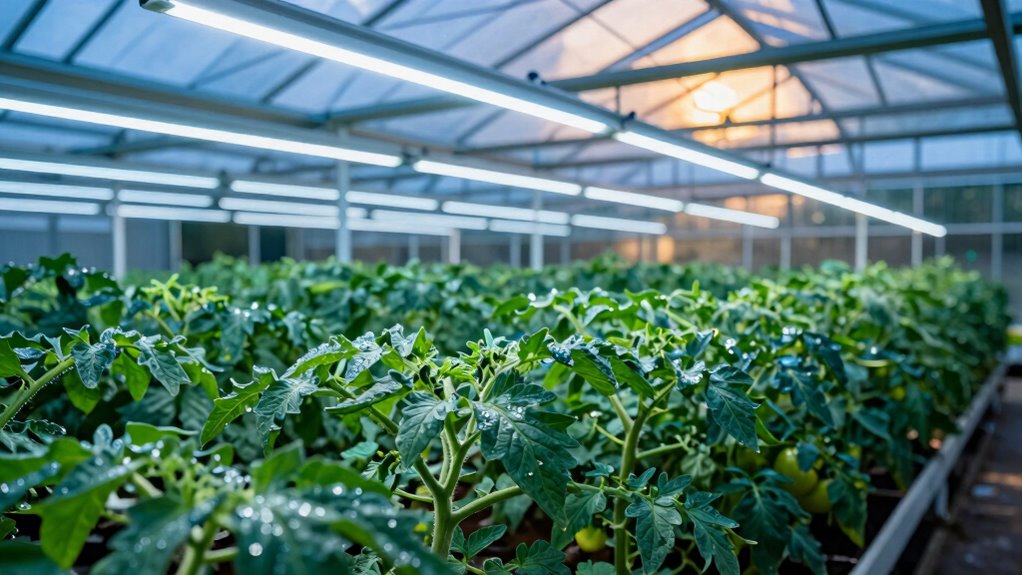
Greenhouses often rely on supplemental LED lighting to enhance plant growth and extend growing seasons. When natural sunlight isn’t enough, adding LEDs can make a important difference, especially during winter months or in regions with limited sunlight. These lights provide a tailored spectrum of wavelengths that optimize photosynthesis, helping your plants grow healthier and faster. But before investing, it’s essential to understand when and why supplemental LED lighting is worth the cost, particularly considering plant growth and energy efficiency.
Supplemental LED lighting boosts plant growth and extends growing seasons when natural sunlight falls short.
If you’re aiming to maximize plant growth, supplemental LED lighting can be a game-changer. Unlike traditional grow lights, LEDs emit specific wavelengths that plants use most effectively, such as red and blue light. This targeted approach ensures your plants receive exactly what they need without wasting energy on unnecessary spectral emissions. As a result, you can expect quicker germination, more vigorous growth, and higher yields. This is especially true for high-value crops or plants with long growth cycles that require consistent light conditions. The ability to fine-tune light intensity and duration makes LEDs a versatile tool for optimizing plant health and productivity throughout the year.
Energy efficiency is another critical factor to consider. LEDs consume considerably less power than traditional lighting options like incandescent or high-pressure sodium lamps, which means lower electricity bills and reduced environmental impact. They convert more energy into usable light and generate less heat, reducing cooling costs and allowing you to position lights closer to plants without risking heat damage. Over time, this energy efficiency translates into substantial savings, making supplemental LED lighting a cost-effective solution for many greenhouse operators. Furthermore, LEDs have a longer lifespan, reducing maintenance and replacement costs, which further enhances their economic viability. Additionally, advances in LED technology have improved color accuracy and spectral control, allowing growers to tailor light spectra precisely to their crop needs.
However, it’s important to assess your specific needs before installing supplemental LED lighting. If your greenhouse is in an area with ample sunlight during the growing season, the additional investment might not be justified outside of winter months or for certain crops. Conversely, if you’re growing high-value plants or trying to extend your growing season, the benefits of improved plant growth and energy efficiency can outweigh the initial setup costs. Proper planning, including determining the right type and amount of LED lighting, ensures you get the most out of your investment. When used strategically, supplemental LED lighting can boost plant growth, increase energy efficiency, and ultimately lead to more successful, sustainable greenhouse operations.
As an affiliate, we earn on qualifying purchases.
Frequently Asked Questions
What Are the Initial Costs of Installing Supplemental LED Lighting?
The initial costs of installing supplemental LED lighting typically range from $1,000 to $3,000 per fixture, depending on size and technology. You should conduct a thorough cost analysis to evaluate installation requirements, including electrical upgrades and mounting setups. Keep in mind that investing in quality LEDs may increase upfront costs but can lead to energy savings and improved plant growth, making it a worthwhile long-term investment.
How Does LED Lighting Impact Plant Disease Resistance?
Did you know LED lighting can boost plant disease resistance by up to 30%? It helps with disease suppression by reducing plant stress, making them more resilient against pathogens. When plants are healthier and less stressed, they naturally fight off diseases better. So, by using LED lights, you not only improve growth but also enhance your plants’ stress resilience, ultimately lowering the risk of disease outbreaks in your greenhouse.
Can LED Lighting Replace Natural Sunlight Entirely?
You can’t rely entirely on artificial sunlight to replace natural sunlight for plant growth. While LED lighting can supplement natural light, it doesn’t provide the full spectrum or intensity plants need for ideal growth and development. Natural sunlight offers a broader range of wavelengths essential for healthy plants. Using LED lights is beneficial during cloudy days or at night, but complete reliance on artificial sunlight isn’t perfect for your plants’ overall health.
What Are the Best Practices for Maintaining LED Lighting Systems?
Think of your LED system as a garden’s heartbeat—you keep it healthy with proper lighting maintenance. Regularly check for dust, loose connections, and signs of wear. Keep the system troubleshooting guide handy, and update firmware as needed. To prevent issues, guarantee ideal placement and consistent power supply. This way, your LEDs stay bright and reliable, supporting lush plant growth without interruptions.
How Does LED Lighting Affect Energy Consumption Compared to Traditional Lighting?
You’ll find that LED lighting considerably reduces energy consumption compared to traditional lighting, thanks to its superior energy efficiency. This means you use less power to produce the same or better light output, leading to substantial cost savings over time. By switching to LEDs, you not only cut your energy bills but also promote a more sustainable greenhouse operation, making it a smart investment for long-term efficiency and savings.
Conclusion
In the end, adding supplemental LED lighting can be a game-changer for your greenhouse, boosting growth and yields like nothing else. When natural light isn’t enough, LEDs can turn your space into a lush, green paradise that defies the limits of the sun itself. Just remember, investing in quality lighting is like planting a seed for unstoppable success—your plants will thank you, and your harvest will be more bountiful than you ever imagined.
NFL season / tailgating Picks
team gear
As an affiliate, we earn on qualifying purchases.