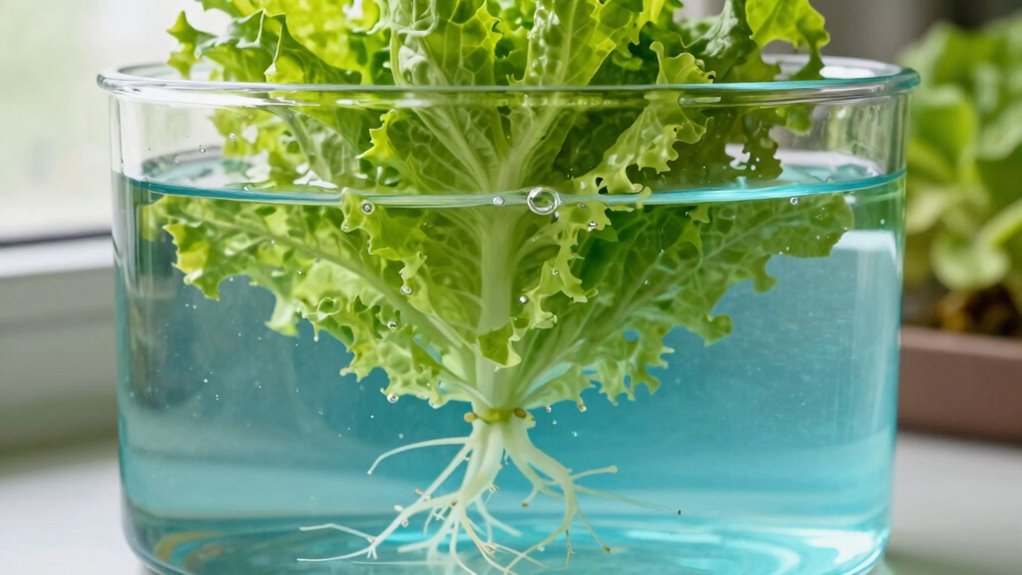

You might not realize it, but water temperature quietly affects your hydroponic success because it controls nutrient availability, root health, and disease risk. Warm water can decrease nutrient solubility and promote harmful bacteria, while cold water can slow root functions and nutrient absorption. Finding the right balance keeps your plants healthy and growth consistent. If you want to learn more about how to maintain ideal water temperature, there’s plenty more to discover.
Key Takeaways
- Water temperature influences nutrient solubility, affecting plant nutrient uptake and overall health.
- Slight temperature changes can impact root metabolism and oxygen absorption, stressing plants silently.
- Warm water promotes pathogen growth, risking root diseases without obvious immediate signs.
- Cold water slows metabolic processes, leading to subtle nutrient deficiencies and stunted growth.
- Environmental fluctuations in water temperature can cause unseen stress, reducing crop yield and quality.
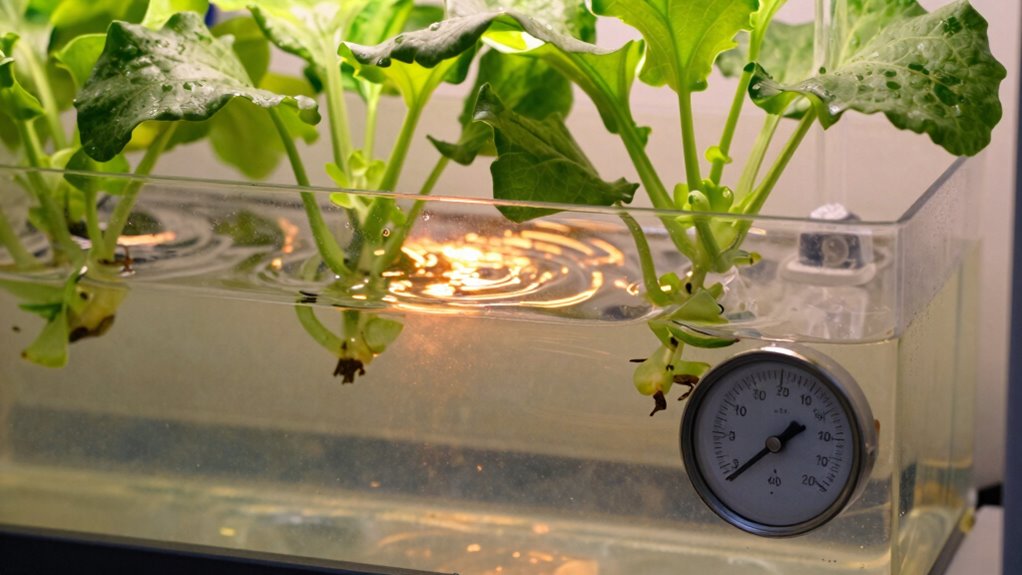
Maintaining the right water temperature is essential for successful hydroponic growing, as it directly affects nutrient uptake and plant health. When your water is too warm or too cold, it can disrupt the delicate balance plants need to thrive. The key lies in understanding how water temperature impacts nutrient absorption and the root zone temperature, which in turn influences overall growth.
Proper water temperature is vital for healthy hydroponic growth, affecting nutrient uptake and overall plant vitality.
Nutrient absorption is a critical factor in hydroponics, and water temperature plays a significant role here. If the water is too hot, it can cause nutrients to become less soluble, preventing roots from effectively taking in essential elements like nitrogen, phosphorus, and potassium. Conversely, cold water slows down metabolic processes, including nutrient uptake, making it harder for plants to access the nutrients they need for growth. This imbalance can lead to deficiencies, stunted growth, or even root rot if the temperature remains out of ideal range for too long. Proper water temperature regulation can help mitigate these issues and promote optimal nutrient availability.
Your root zone temperature is another indispensable aspect to monitor. The root zone is where all the magic happens—roots absorb water, nutrients, and oxygen. When the water temperature in this zone is off, it can create stress for your plants. Warmer water increases metabolic activity, but if it exceeds the perfect range, it can promote the growth of harmful bacteria and pathogens, like Pythium or Fusarium, which thrive in warmer, stagnant conditions. On the other hand, colder water slows down root functions, reducing nutrient uptake efficiency and limiting growth potential. Maintaining a stable water temperature helps prevent these issues and promotes healthy root development. Additionally, fluctuations in water temperature can also impact dissolved oxygen levels, which are vital for root respiration.
You need to keep a close eye on the water temperature, especially because it can fluctuate throughout the day or with environmental changes. Using a reliable thermometer and adjusting your system’s temperature controls can help maintain a stable root zone temperature. If you notice your plants aren’t growing as expected or showing signs of stress, check your water’s temperature first. Small adjustments, like insulating your reservoir or using a chiller or heater, can make a big difference in keeping the root zone at just the right temperature. Proper temperature control is a key component in preventing stress and ensuring consistent plant development.
In the end, understanding how water temperature influences nutrient absorption and root zone temperature helps you create a healthier, more productive hydroponic system. By maintaining ideal water conditions, you give your plants the best chance to absorb nutrients efficiently, resist diseases, and grow vigorously. Quietly but surely, water temperature governs the success of your hydroponic endeavors, making it a key detail worth your attention.
hydroponic water temperature controller
As an affiliate, we earn on qualifying purchases.
As an affiliate, we earn on qualifying purchases.
Frequently Asked Questions
How Does Water Temperature Influence Oxygen Levels in Hydroponic Systems?
You might not realize it, but water temperature directly impacts oxygen saturation in your hydroponic system. As temperature fluctuates, oxygen levels drop because warmer water holds less dissolved oxygen. This can stress your plants and hinder growth. To guarantee ideal oxygen saturation, keep water temperatures stable and within the recommended range. Consistent temperatures promote healthy oxygen levels, supporting robust root development and overall plant health.
What Is the Ideal Water Temperature Range for Different Hydroponic Crops?
You should aim for a water temperature of 65-70°F (18-21°C) for most hydroponic crops, as this range optimizes nutrient absorption and supports healthy root development. Cooler water can slow nutrient uptake and harm root health, while warmer water may cause oxygen levels to drop, risking root rot. Adjust temperatures based on your specific plants’ needs, but staying within this range generally promotes robust growth.
Can Fluctuating Water Temperatures Harm Plant Roots?
Fluctuating water temperatures can seriously harm your plant roots. Studies show sudden changes can cause root damage, leading to poor nutrient uptake and stunted growth. When water swings outside the ideal range, roots struggle to absorb essential nutrients efficiently, risking disease and reduced yields. To keep your plants healthy, maintain a stable water temperature, ensuring steady nutrient uptake and preventing root damage that could undermine your hydroponic success.
How Quickly Does Water Temperature Impact Plant Growth?
Water temperature can impact your plant’s growth rate within just a few days. If you maintain temperature stability, your plants stay healthy and grow consistently. Sudden changes can stress roots, slowing growth or causing damage. By keeping water temperature steady, you optimize conditions for nutrient absorption, encouraging faster, more vigorous growth. Monitoring and adjusting temperature regularly guarantees your hydroponic system remains ideal for your plants’ development.
What Tools Are Best for Monitoring Water Temperature Accurately?
To monitor water temperature accurately, use a digital temperature sensor like a waterproof thermocouple or a high-quality digital probe. Place the sensor in a consistent spot within your hydroponic system, ideally near the root zone for precise readings. Regularly calibrate your device using calibration techniques such as ice water baths or comparison with a trusted thermometer to guarantee accuracy over time. Proper sensor placement and calibration are key to ideal plant growth.
Conclusion
Think of water temperature as the gentle hand guiding your plants’ growth, like a thermostat controlling a delicate dance. When it’s just right, your hydroponic system blooms like a vibrant garden in spring. But if it’s too cold or hot, it’s like a storm disrupting the rhythm. By tuning into the subtle warmth of your water, you guarantee your plants flourish, turning your hydroponic setup into a lush, thriving oasis—an oasis where success quietly blooms.