Yield mapping and recordkeeping are essential tools that help you analyze how different parts of your field perform. By collecting and integrating data on soil health, weather, and crop results, you can identify areas needing targeted management like fertilization or crop changes. This approach boosts efficiency, reduces waste, and maximizes profits. Mastering these practices gives you clear insights into your farm’s productivity—keep exploring to discover more ways to optimize your farm operations.
Key Takeaways
- Yield mapping identifies spatial variability in fields, guiding targeted management practices for improved productivity.
- Recordkeeping creates a long-term database to analyze trends, justify investments, and refine farm strategies.
- Integrating yield data with soil, weather, and crop information enhances decision-making and resource efficiency.
- Analyzing yield and soil variability helps optimize input use and crop placement for maximum efficiency.
- Mastering yield mapping and recordkeeping enables continuous farm improvement and consistent high yields over time.
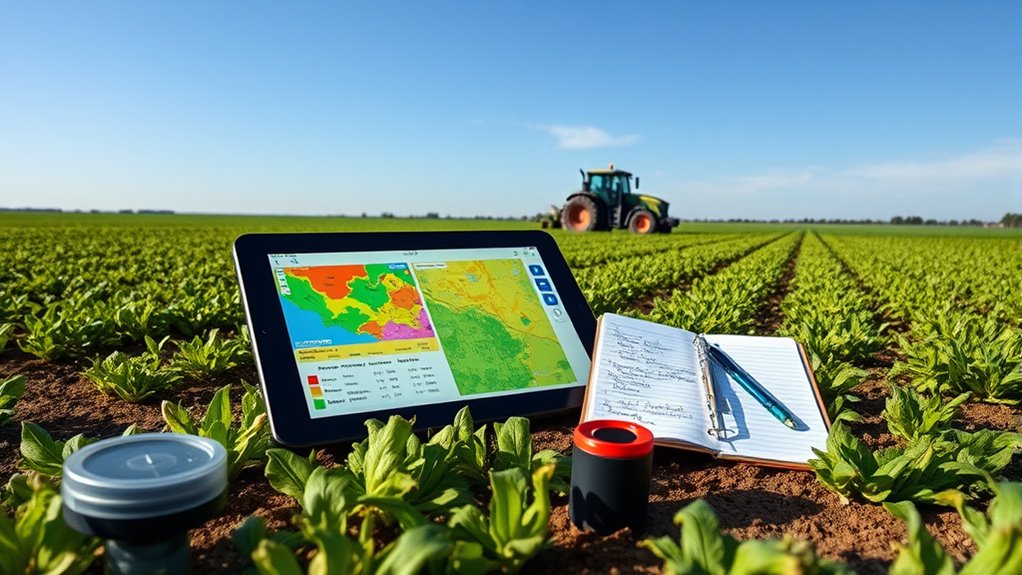
Yield mapping and recordkeeping are vital tools for optimizing your farm’s productivity. When you use these methods effectively, you gain a clearer picture of how your fields perform across different areas. One of the key benefits is understanding soil variability. Not all parts of your land are the same—some spots may have richer soil, better drainage, or different nutrient levels. By mapping yields, you can identify these variations and adjust your management practices accordingly. For example, you might decide to apply more fertilizer in low-yield zones or plant different crops suited to each area’s specific conditions. This targeted approach helps you maximize output and reduce waste, ultimately improving your farm’s overall efficiency.
Understanding soil variability through yield mapping enhances farm efficiency and targeted management strategies.
Data integration plays an indispensable role in making yield mapping truly powerful. When you combine yield data with other information—such as soil tests, weather patterns, and crop history—you create a detailed overview of what influences your farm’s performance. Integrating these data points allows you to make informed decisions based on a holistic understanding of your fields. For instance, if you notice a consistent low yield in certain areas that also show poor soil health, you can prioritize soil improvement efforts there. Conversely, high-yield zones with healthy soil might be left less disturbed, saving resources. Data integration also helps track the effectiveness of your management strategies over time, showing what works and what doesn’t, so you can refine your practices continually. Additionally, understanding soil variability through detailed maps enhances your ability to implement precision agriculture techniques effectively.
Keeping detailed records of yields and related data isn’t just about gathering information; it’s about creating a reliable database that supports long-term planning. As you collect data season after season, patterns emerge, revealing how different factors impact yields. These records enable you to compare year-to-year results, identify trends, and anticipate future needs. With accurate recordkeeping, you can also justify investments in technology or soil amendments by showing tangible improvements or identifying persistent issues. Furthermore, organized records facilitate communication with advisors, crop consultants, or other stakeholders, ensuring everyone is on the same page about your farm’s performance.
In the end, mastering yield mapping and recordkeeping transforms raw data into actionable insights. Recognizing soil variability through detailed maps and integrating various data sources empowers you to make smarter, more precise decisions. This combination helps you optimize input use, enhance crop health, and boost profitability. When you develop a disciplined approach to recordkeeping, you build a valuable resource that supports continuous improvement. With these tools, you take control of your farm’s future, turning data into a strategic advantage that leads to more consistent, high-quality yields year after year.
yield mapping software for farms
As an affiliate, we earn on qualifying purchases.
As an affiliate, we earn on qualifying purchases.
Frequently Asked Questions
What Are the Best Tools for Beginners in Yield Mapping?
For beginners in yield mapping, start with user-friendly tools like smartphone apps or basic GPS units that integrate with soil sampling data. These tools help you collect accurate data and understand crop modeling. Look for platforms that offer simple interfaces, compatible field sensors, and easy data visualization. Using these, you can improve your yield understanding, optimize soil sampling, and make better decisions for future crop management.
How Can I Integrate Yield Data With Weather Information?
To integrate yield data with weather information, you can use data visualization tools like GIS or specialized farm management software. These tools allow you to overlay yield maps with weather patterns, helping you identify correlations. Additionally, crop modeling software can predict how weather impacts yield, enabling you to make informed decisions for future planting and management practices. This integration enhances your understanding and optimizes farm productivity.
What Is the Cost of Implementing a Recordkeeping System?
Implementing a recordkeeping system typically costs between $1,000 and $5,000, depending on size and complexity. A thorough cost analysis helps you grasp associated expenses, from hardware to software and training. You may face implementation challenges like data migration and staff adaptation, but addressing these early guarantees smoother integration. Overall, investing in reliable recordkeeping enhances productivity and data accuracy, making the initial costs worthwhile for long-term farm management improvements.
How Secure Is My Farm Data Stored Digitally?
Your farm data stored digitally is generally secure thanks to data encryption and cloud storage. Data encryption protects your information from unauthorized access, while cloud storage providers use advanced security measures like firewalls and regular backups. However, it’s essential to choose reputable providers and regularly update passwords. By taking these precautions, you guarantee your farm data remains safe and accessible whenever you need it.
Can Yield Maps Predict Future Crop Performance?
Yes, yield maps can help predict future crop performance, but their accuracy depends on predictive accuracy and data variability. You should understand that while they offer valuable insights, factors like weather, soil conditions, and management practices introduce variability. By analyzing these maps over multiple seasons, you can identify trends and make more informed decisions, improving your ability to anticipate crop outcomes despite inherent uncertainties.

Farm Management Record Keeping Book: The Ultimate 5-in-1 Farm Management Record-Keeping System, Seamlessly Manage Livestock Records, Equipment Inventory & Repairs, Farm Expenses, and Income ( Farming)
As an affiliate, we earn on qualifying purchases.
As an affiliate, we earn on qualifying purchases.
Conclusion
By mastering yield mapping and recordkeeping, you build a clear picture of your farm’s performance, much like a skilled cartographer charts uncharted territory. It helps you make informed decisions and optimize your efforts. Just as a compass guides a traveler through unknown landscapes, accurate records steer you toward better yields and greater success. Embrace these tools, and you’ll navigate farming’s challenges with confidence, turning data into your most valuable asset for growth and prosperity.
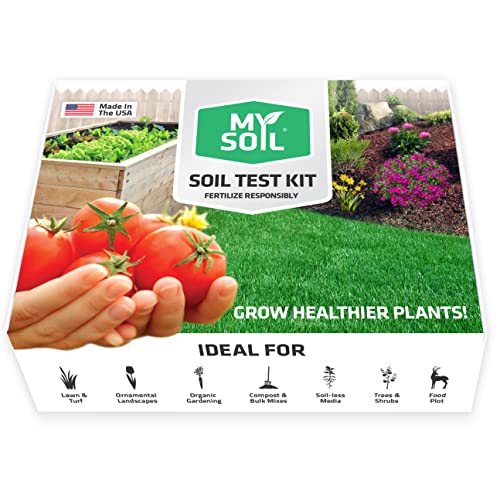
MySoil Soil Test Kit, Unlock Your Lawn & Garden Potential, Complete & Accurate Nutrient and pH Analysis with Recommendations Tailored to Your Soil and Plant Needs
KNOW BEFORE YOU GROW | Grow the healthiest, sustainable lawn and garden with the most accurate and easy…
As an affiliate, we earn on qualifying purchases.
As an affiliate, we earn on qualifying purchases.
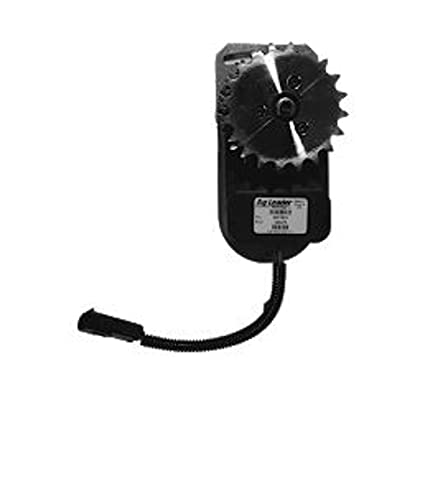
Ag Leader SureStop Electric Planter Clutch for Row-Crop Planters – Compatible with Chain-Driven Seed Meters, Section Control – Precision Agriculture Tools | 4001624
Seed Savings: This section control system helps lower seed cost by eliminating double planting at point and end…
As an affiliate, we earn on qualifying purchases.
As an affiliate, we earn on qualifying purchases.