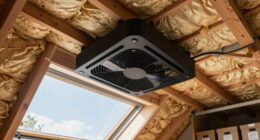

To prevent botrytis, focus on improving airflow and maintaining good hygiene around your plants. Use fans or vents to promote circulation, especially in enclosed spaces, and prune regularly to open up the canopy for better air movement. Keep tools, pots, and work areas clean, and remove fallen leaves promptly to remove mold spores. Consistent sanitation and ventilation help keep conditions dry and less inviting to mold—if you’re interested, learning more can help you keep your plants healthy.
Key Takeaways
- Ensure proper ventilation and use fans to increase air circulation around plants.
- Regularly prune excess foliage and remove dead leaves to improve airflow and reduce humidity.
- Keep tools, containers, and work areas sanitized to prevent mold spore spread.
- Remove fallen plant debris promptly to eliminate mold spores and prevent infection.
- Monitor plants frequently for early signs of infection and act quickly to contain outbreaks.

Have you ever wondered how to keep your crops safe from botrytis? One of the most effective ways is by managing airflow and maintaining good hygiene in your growing environment. Botrytis thrives in humid conditions, so reducing humidity levels is essential. When the air around your plants remains moist for extended periods, it creates an ideal environment for mold spores to develop and spread. To combat this, you need to guarantee proper ventilation and airflow throughout your crops. Good airflow helps dry out excess moisture on plant surfaces and prevents the stagnant, humid conditions that botrytis loves. Installing fans or vents can promote circulation, especially during damp weather or in enclosed spaces like greenhouses. The goal is to keep the environment as dry and airy as possible without causing stress to your plants.
Pruning techniques play a vital role in controlling humidity and improving airflow among your plants. Regularly removing excess foliage, dead or diseased leaves, and overcrowded growth helps open up the canopy, allowing air to circulate freely. This reduces the likelihood of moisture accumulation on plant surfaces, which in turn minimizes the chances of botrytis infection. Be sure to prune with clean, sharp tools to avoid spreading any existing diseases. When you prune, aim to create open spaces that permit sunlight to penetrate and dry out the interior of the plant. Additionally, using self watering plant pots can help maintain consistent soil moisture levels, reducing the risk of overwatering that can contribute to humidity issues. Not only does this discourage mold development, but it also promotes healthier growth overall. Remember that overgrown plants with dense foliage trap moisture, so investing time in strategic pruning is a proactive step for disease prevention.
Hygiene is equally important in preventing botrytis. Keep your tools, containers, and working area clean to prevent the spread of spores. Remove any fallen leaves or plant debris promptly, as these can harbor mold spores and serve as infection sources. Regularly inspect your crops for early signs of infection, and act quickly if you notice any issues. By combining good pruning techniques with a focus on airflow and hygiene, you create an environment that’s hostile to botrytis. Consistency is key—maintain these practices throughout the growing season to keep your crops healthy and minimize the risk of outbreaks. Ultimately, controlling humidity, practicing careful pruning, and maintaining a clean environment are your best defenses against this destructive mold.

VEVOR Blower Fan, 13 in Portable Utility Floor Fan, 300 CFM, 3 Speeds, Multi-Angle Airflow, Lightweight Portable High Velocity Air Mover, for Drying, Dehumidifying, Carpets, Air Circulation, Cooling
Fast Drying: After cleaning or spills, floors often stay damp and uncomfortable to walk on. With up to…
As an affiliate, we earn on qualifying purchases.
As an affiliate, we earn on qualifying purchases.
Frequently Asked Questions
How Does Humidity Specifically Influence Botrytis Development?
Humidity specifically influences botrytis development by creating the moist environment mold needs to thrive. When humidity levels are high, it’s easier for botrytis to spread and infect your crops. You should focus on humidity control to keep levels low, which helps prevent mold growth. Proper airflow and hygiene are also key, but maintaining ideal humidity is essential for mold prevention and protecting your plants from botrytis.
Can Natural Airflow Alone Prevent Botrytis Without Additional Equipment?
While natural airflow acts as a gentle whisper of airflow optimization, it alone might not fully deter botrytis. Relying solely on natural deterrents leaves room for humidity pockets and stagnant air, which can encourage mold growth. To effectively prevent botrytis, you should combine good hygiene practices with strategic airflow management. This holistic approach guarantees your plants stay healthy, reducing the risk of mold and keeping your crop thriving.
What Are the Signs of Early Botrytis Infection?
You can spot early botrytis infection through mold identification, noticing grayish or fuzzy patches on your plants, especially in high humidity. Look for soft, water-soaked spots that may turn brown or gray over time. Early detection helps with infection prevention, so regularly inspect your crops for these signs. Acting quickly can prevent the mold from spreading, ensuring healthier plants and better yields.
How Often Should Hygiene Practices Be Performed During Cultivation?
You should perform your cleaning schedule daily during cultivation to maintain a healthy environment. The sanitization frequency depends on your grow stage and conditions, but generally, you should sanitize tools, surfaces, and equipment at least once a week. After any spills or contamination, increase sanitization to prevent botrytis. Staying consistent with your hygiene practices helps reduce disease risks and keeps your plants healthy and thriving.
Are There Any Natural Remedies to Combat Botrytis?
Some believe herbal extracts and biological controls can naturally combat botrytis, and there’s truth to it. Herbal extracts like neem or garlic can boost plant defenses, while biological controls such as Trichoderma fungi outcompete or inhibit botrytis growth. Using these remedies can reduce chemical reliance, promoting healthier plants. You might find that integrating herbal extracts and biological controls into your routine offers a promising, natural way to protect your cultivation.

Fiskars Bypass Pruning Shears, 5/8-Inch Cut Capacity Garden Clippers, Gardening Scissors with Sharp, Rust Resistant Steel Blade
GARDENING ESSENTIAL: Steel blade plant shears ideal for a variety of pruning tasks like cutting flower stems; gardening…
As an affiliate, we earn on qualifying purchases.
As an affiliate, we earn on qualifying purchases.
Conclusion
By maintaining good airflow and strict hygiene, you can turn your garden into a fortress against Botrytis. Think of your plants as warriors, standing strong against the dark cloud of disease. With consistent effort, you can keep this threat at bay and enjoy healthy, vibrant growth. Remember, prevention is your greatest shield—don’t let Botrytis take the stage. Stay vigilant, and your garden will thank you with thriving, disease-free plants.

iLIVING 12" Wall Mounted Shutter Exhaust Fan, Automatic Shutter, with Thermostat and Variable Speed controller, 0.6A, 960 CFM, 1400 SQF Coverage Area Silver (ILG8SF12V-ST)
POWERFUL AIR VENTILATOR – 960 CFM, 115V, 0.6A, 1/20 Horse Power, 1650 RPM, Coverage up to 1400 square…
As an affiliate, we earn on qualifying purchases.
As an affiliate, we earn on qualifying purchases.

Self-Watering Pots for Indoor Plants 4 Pack, 6/8/10/12 Inch Outdoor Planters with Water Level Indicator&Deep Reservoir, Decorative Flower Pots for Indoor Plants,Home Decor (White, 12+10+8+6 inch)
-🌱 Complete 4-Piece Self-Watering Set with Smart Wick System: This comprehensive 6, 8, 10, and 12-inch self-watering planters…
As an affiliate, we earn on qualifying purchases.
As an affiliate, we earn on qualifying purchases.