Beneficial fungi and microbes play a essential role in soilless systems by boosting plant growth, improving nutrient uptake, and enhancing resilience. They form symbiotic relationships with roots, extending into nutrient solutions to access crucial nutrients like phosphorus more effectively. These microbes support nutrient cycling, suppress pathogens, and help create a balanced, self-sustaining environment. Exploring their full potential can help you optimize your system’s health and productivity—discover more techniques to harness these powerful allies.
Key Takeaways
- Beneficial fungi and microbes support plant health by enhancing nutrient uptake and root development in soilless systems.
- Mycorrhizal fungi form symbiosis with roots, extending nutrient access in nutrient solutions.
- Microbial inoculants promote nutrient cycling, pathogen suppression, and faster root growth.
- Diverse microbial communities create resilient, self-sustaining systems that reduce chemical inputs.
- Microbes help plants cope with stress factors like pH fluctuations and salinity, ensuring system sustainability.

Beneficial fungi and microbes play a vital role in maintaining healthy ecosystems and supporting agricultural productivity. Even in soilless systems, where traditional soil isn’t present, these microorganisms can make a significant difference. You can harness their power through mycorrhizal associations and microbial inoculants to enhance plant growth, nutrient uptake, and overall health. Mycorrhizal fungi form symbiotic relationships with plant roots, extending their reach into the nutrient solution and the root zone, which is especially valuable in soilless environments. By partnering with these fungi, your plants can access nutrients like phosphorus more efficiently, even when they’re not present in high concentrations in your nutrient solution. This symbiosis improves plant vigor and resilience, often leading to increased yields and healthier crops.
In soilless systems, where the natural microbial community is limited or absent, applying microbial inoculants becomes essential. These inoculants contain beneficial bacteria and fungi that help establish a thriving microbial ecosystem around your plant roots. When you introduce microbial inoculants, you’re fundamentally jump-starting a beneficial microbiome that supports nutrient cycling, suppresses pathogens, and promotes root development. This process mimics natural soil environments, providing your plants with a more balanced and resilient growing environment. You might notice faster root growth, better nutrient absorption, and reduced reliance on chemical fertilizers, as these microbes assist in solubilizing nutrients and making them more available. Additionally, understanding the importance of microbial diversity can help optimize the effectiveness of inoculants and foster a more robust microbial community.
Furthermore, these microbes can help your plants cope with stress factors like pH fluctuations, salinity, or disease pressures common in controlled environments. By fostering mycorrhizal associations and applying microbial inoculants, you’re encouraging a self-sustaining system that reduces external inputs and enhances plant health. It’s a proactive approach, allowing you to optimize plant growth while minimizing chemical usage. The key is to select the right inoculants suited for your specific crop and system, ensuring compatibility and maximum benefit. You’ll want to monitor the microbial activity and plant response, adjusting your inoculation practices as needed.
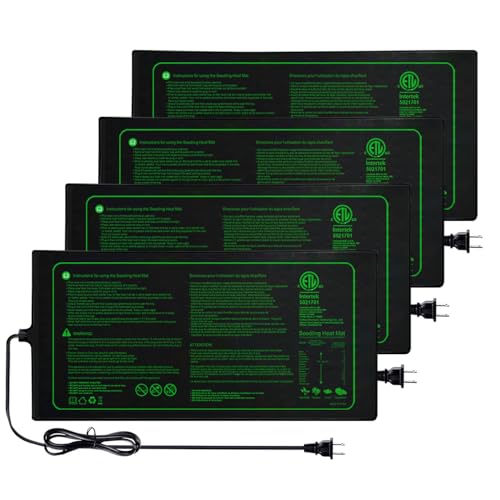
Upgrade Version 4PK Seedling Heat Mat with ETL Listed,Warm Hydroponic Heating Pad for Seed Starting,Indoor Gardening,Brewing and Greenhouses,Durable Waterproof Black Plant Heat Mat
Consistent & Even Heat: Ruyyi Seedling Heat Mat provides stable, uniform temperatures that elevate the root zone by...
As an affiliate, we earn on qualifying purchases.
Frequently Asked Questions
How Do Fungi and Microbes Interact With Plant Roots in Soilless Systems?
You see fungi and microbes interact with plant roots through root colonization and microbial symbiosis. They attach to roots, enhancing nutrient uptake and protecting against pathogens. As you observe, these microorganisms form beneficial relationships, improving plant health and growth. In soilless systems, fostering these interactions is essential, as it boosts nutrient efficiency and resilience. Your role is to support conditions that promote active root colonization and symbiotic microbial activity.
Are There Any Risks of Introducing Harmful Fungi Alongside Beneficial Ones?
There’s a 30% chance harmful fungi can be introduced alongside beneficial ones if you’re not careful. Yes, risks exist when mixing fungi, potentially disrupting the microbial balance and harming plant health. To minimize this, use certified beneficial strains and maintain sterile conditions. Regular monitoring helps spot harmful fungi early, ensuring your system stays healthy and productive. Proper management keeps beneficial microbes thriving while preventing harmful fungi from taking hold.
How Do Environmental Factors Influence Microbial Effectiveness in Hydroponics?
Environmental factors like temperature, pH, and oxygen levels directly impact microbial effectiveness in hydroponics. When conditions are ideal, microbes boost nutrient absorption and exhibit strong microbial resilience, helping your system stay healthy. Conversely, unsuitable environments can hinder microbial activity, reducing their ability to support plant growth. To maximize benefits, monitor and adjust environmental parameters consistently, ensuring microbes thrive and maintain their essential role in your hydroponic system.
Can Beneficial Fungi and Microbes Replace Chemical Fertilizers Entirely?
You can’t fully replace chemical fertilizers with beneficial fungi and microbes yet. For example, a hydroponic farm used microbial colonization to boost plant growth but still relied on synthetic fertilizers for nutrient levels. While microbes improve nutrient uptake and reduce chemical dependency, they don’t supply all essential elements consistently. So, integrating beneficial microbes lowers chemical use but doesn’t entirely eliminate synthetic fertilizers in soilless systems.
What Are the Best Methods to Apply Beneficial Microbes in Soilless Setups?
You should use microbial inoculation methods like liquid sprays or root drenches to introduce beneficial microbes effectively in soilless setups. Fungal colonization techniques, such as coating the growing medium with fungi or using biofilms, help establish a healthy microbial community. Regular application and maintaining ideal environmental conditions boost microbial activity, improving nutrient uptake and plant health. Consistent use ensures the microbes thrive and provide ongoing benefits to your system.

BN-LINK Seedling Heat Mat with Thermostat Controller Combo Set, 10" x 20.75" Plant Heating Mat for Seed Starting with Temperature Control for Indoor Growing, Plants Germination, ETL Listed
✓ Consistent & Uniform Heating: BN-LINK seedling heat mat maintains temperatures around 70–85℉, creating ideal conditions for seed...
As an affiliate, we earn on qualifying purchases.
Conclusion
By harnessing beneficial fungi and microbes in soilless systems, you reveal a hidden world of growth and resilience. But the true potential remains just beyond your reach, waiting to be uncovered. As you explore these microscopic allies, you’ll discover innovations that could transform your cultivation practices forever. Will you take the next step and harness their power? The future of sustainable, thriving systems depends on it—don’t miss out on the secrets they hold.

59Ft Soil Heating Cable with Thermostat, Rubber Heated Warming Cable for Seed Starting, Outdoor Greenhouse, Cold Frame & Garden Beds, Plant Root Winter Protection Kit Includes Ground Stakes
Boost Seed Germination & Plant Growth with Soil Heating Cable: Ideal for gardening enthusiasts, this 59-foot (9m x...
As an affiliate, we earn on qualifying purchases.

VIVOSUN 10"x 20.75" Seedling Heat Mat and Digital Thermostat Combo Set, UL & MET-Certified Warm Hydroponic Heating Pad for Germination, Indoor Gardening, Greenhouse
Reliable Results: The VIVOSUN professional heat mat maintains optimal temperatures around 68-86℉ (20-30℃), perfect for Seedling start and...
As an affiliate, we earn on qualifying purchases.