To build long-term volunteer energy in your greenhouse program, connect their efforts to meaningful ecological and community outcomes. Recognize their contributions often and show how their work helps plant growth, biodiversity, and sustainability. Involve volunteers in decision-making and provide ongoing training to develop their skills. Foster camaraderie with social events and mentorship. Keep them motivated by emphasizing the bigger picture and long-term goals. If you’re curious about keeping this momentum, you’ll discover more ways to energize your volunteers.

Get garden gear delivered free — and shop member deals
- Fast, free delivery on millions of items
- Access to Prime Big Deal Days deals on October 6–7
- Prime Video, Amazon Music and more included
Key Takeaways
- Regularly demonstrate how volunteers’ efforts positively impact ecological health and community well-being to foster a sense of purpose.
- Recognize achievements publicly and celebrate milestones to boost morale and reinforce the value of ongoing contributions.
- Involve volunteers in decision-making and fundraising to increase ownership and deepen their commitment.
- Provide continuous training and mentorship to develop skills and strengthen community bonds.
- Maintain clear communication of long-term ecological goals to keep volunteers motivated and aligned with the program’s mission.

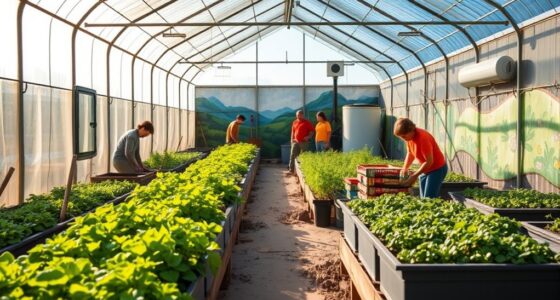
Maintaining long-term volunteer energy can be challenging, but with intentional strategies, you can keep your volunteers motivated and engaged over time. When working in a greenhouse program, your volunteers are essential to creating a thriving environment, and their sustained enthusiasm hinges on understanding what drives volunteer motivation. To foster this motivation, you need to connect their efforts to meaningful outcomes. Show them how their work directly impacts plant growth, community wellbeing, or environmental conservation. Recognizing their contributions regularly can boost morale and remind volunteers of the importance of their roles.
Long-term volunteer energy thrives when efforts are connected to meaningful impacts and regular recognition.
Fundraising strategies also play a crucial role in maintaining long-term volunteer engagement. When your program secures steady funding, it allows you to provide better resources, training, and recognition, all of which enhance volunteer satisfaction. Transparent communication about how funds are used can reinforce volunteers’ sense of purpose and trust. Additionally, involving volunteers in fundraising efforts can deepen their commitment. For example, you might invite them to help organize community events or awareness campaigns, making them active participants in sustaining the program. This involvement not only energizes their volunteer motivation but also fosters a sense of ownership.
Creating a supportive and collaborative environment is key to long-term energy. Involve volunteers in decision-making processes when possible; listen to their ideas and feedback. When volunteers feel heard, they’re more likely to stay committed. Offer ongoing training opportunities that develop their skills and deepen their understanding of greenhouse operations. This investment in their growth keeps their work fresh and meaningful. Pair new volunteers with experienced ones to build mentorships that promote community and knowledge sharing, which can make their experience more rewarding. Furthermore, emphasizing the importance of biodiversity within your program can help volunteers see how their efforts contribute to broader ecological health and sustainability. Incorporating volunteer motivation strategies into your program can also help sustain enthusiasm by aligning activities with volunteers’ personal values and interests. Recognizing the impact of their work on ecological health can serve as a powerful motivator.
Recognizing achievements regularly is also essential. Celebrate milestones, such as successful planting seasons or community outreach victories. Small gestures like thank-you notes, certificates, or public acknowledgments can go a long way in reinforcing their value. Keep the work environment positive and inclusive, fostering camaraderie among volunteers. Social events or informal gatherings can strengthen bonds, making volunteering feel less like a chore and more like a shared passion. Developing a clear program vision and mission can also inspire volunteers by helping them see the bigger picture and long-term goals. Creating opportunities for volunteers to learn about environmental impact can also boost their motivation and sense of purpose.
Finally, remember that volunteer motivation is an ongoing process. Stay adaptable, and be willing to adjust your strategies as your program evolves. When volunteers see that their efforts make a difference and that they are genuinely valued, their energy will remain high, ensuring the long-term success of your greenhouse program.
As an affiliate, we earn on qualifying purchases.
Frequently Asked Questions
How Do I Recruit Volunteers for My Greenhouse Program?
To recruit volunteers for your greenhouse program, focus on effective volunteer recruitment and greenhosue outreach. Use social media, community boards, and local events to spread the word. Highlight the benefits of volunteering, like learning new skills and supporting the environment. Reach out to schools, clubs, or local organizations to expand your network. Personal connections and enthusiasm will attract dedicated volunteers who want to make a meaningful impact.
What Rewards Motivate Long-Term Volunteer Commitment?
Think of rewards as the seeds of loyalty you plant. You motivate long-term volunteers through recognition programs that celebrate their efforts and milestones. Offering opportunities for skill development keeps them engaged, showing you value their growth. When volunteers see their contributions making a real impact and receive genuine appreciation, they’re more likely to stay committed, nurturing a thriving, dedicated community in your greenhouse.
How Can I Handle Volunteer Burnout Effectively?
To handle volunteer burnout effectively, you should implement motivational strategies that keep volunteers engaged and appreciated. Regularly check in with them, offer varied tasks, and recognize their efforts openly. Prevent burnout by encouraging breaks, setting realistic goals, and fostering a supportive environment. By actively addressing their needs and providing ongoing encouragement, you boost morale and guarantee volunteers stay committed and energized for the long term.
What Training Is Necessary for New Volunteers?
For new volunteers, you need to focus on thorough volunteer onboarding, which introduces them to your greenhouse’s mission, safety protocols, and their specific roles. Incorporate skills development to build their confidence and competence, offering hands-on training and ongoing learning opportunities. This approach helps volunteers feel valued, supported, and motivated to stay engaged long-term, ensuring they develop the necessary skills to contribute effectively and sustainably to your greenhouse program.
How Do I Measure Volunteer Program Success?
You measure your volunteer program’s success through volunteer retention rates and impact assessment. Track how long volunteers stay engaged, and gather feedback on their experience. Evaluate the tangible outcomes, like plant growth or community benefits, to see your program’s impact. Regularly analyze this data to identify strengths and areas for improvement, ensuring you foster ongoing enthusiasm, which keeps volunteers motivated and committed long-term.
Conclusion
Building long-term volunteer energy keeps your greenhouse thriving; it’s about creating meaningful connections and recognizing their impact. Did you know that volunteers are 60% more likely to stay engaged when they see tangible results from their efforts? By fostering a welcoming environment and celebrating successes, you’ll inspire ongoing commitment. Keep communication open, show appreciation often, and watch your volunteer community grow stronger—and more energized—over time.
Fall yard work Picks
leaf blowers
As an affiliate, we earn on qualifying purchases.