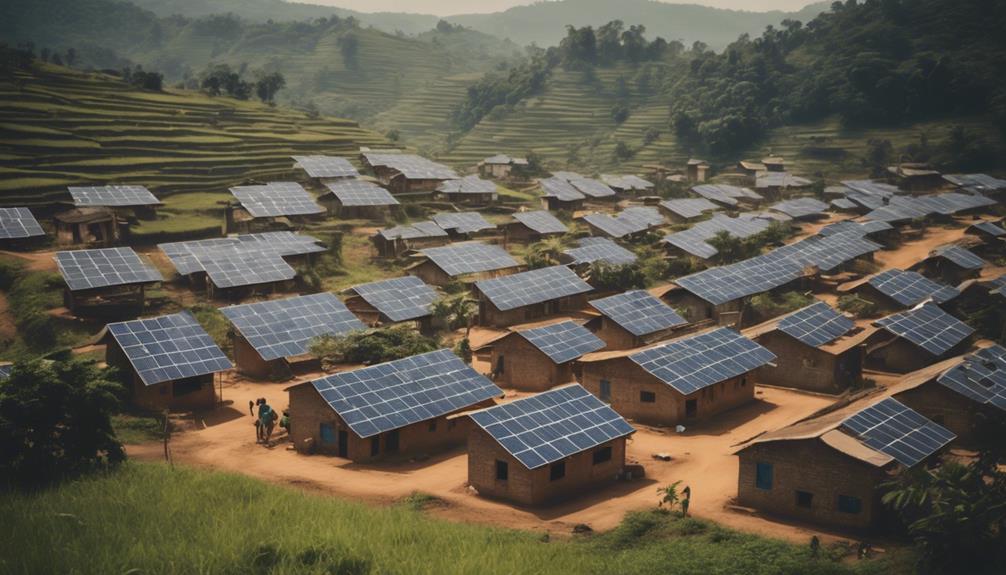

When I ponder unconnected solar panels, I'm reminded of the staggering amount of energy potential going to waste. It's astonishing to contemplate the resources and investment that could be repurposed for heating, powering devices, and irrigation. The fate of this unused energy is a significant hurdle to achieving environmental sustainability goals. By harnessing this energy, we can reduce our reliance on traditional power sources, lower energy bills, and decrease air pollution. What's more, innovative storage methods and alternative uses can help maximize the benefits of solar energy. And, as I delve into this topic further, I'm discovering even more surprising ways to minimize waste and promote sustainability.
Listen free for 30 days with Audible
Thousands of audiobooks and originals — cancel anytime.
Start your free trialAs an affiliate, we earn on qualifying purchases.
Key Takeaways
- Unconnected solar panels lead to a substantial waste of resources and investment, hindering environmental sustainability goals.
- Excess energy from unconnected solar panels can be repurposed for heating water, powering devices, and irrigation, reducing reliance on traditional power sources.
- Failure to connect solar panels affects the efficiency of solar energy systems, resulting in significant energy waste and lost benefits.
- Innovative storage methods like batteries, thermal storage, and pumped hydro storage can maximize benefits of unconnected solar panels and reduce wastage.
- Grid integration of excess solar energy faces challenges like variability in production and impact on grid stability, requiring infrastructure upgrades and storage solutions.
As an affiliate, we earn on qualifying purchases.
The Fate of Unused Energy
When I think about unconnected solar panels, I'm struck by the sheer amount of potential energy that's being lost, amounting to a substantial waste of resources and investment. It's staggering to take into account the energy that's being generated but not utilized.
This unutilized solar power can be repurposed for heating water, powering small devices, heating indoor spaces, and pumping water for irrigation. The impact of unconnected panels goes beyond energy loss, affecting environmental sustainability goals.
Failure to connect solar panels to an electrical system has a significant effect on the efficiency of solar energy systems. It's important we find ways to harness this energy to maximize its benefits and minimize waste.
Energy Dissipation in Solar Panels
How can we justify letting excess energy from unconnected solar panels dissipate into the environment, resulting in significant wastage, when it could be harnessed for alternative purposes? This energy can be repurposed for various uses, reducing our reliance on traditional power sources. For instance, it can be used for heating water, powering small devices, heating indoor spaces, or pumping water for irrigation.
| Alternative Use | Benefits | Environmental Impact |
|---|---|---|
| Heating Water | Reduces energy bills | Lowers carbon footprint |
| Powering Devices | Increases energy independence | Minimizes e-waste |
| Heating Spaces | Reduces fossil fuel consumption | Decreases air pollution |
| Pumping Water | Supports sustainable agriculture | Conserves water resources |
Alternative Uses for Surplus Energy
I find it fascinating to explore the various alternative uses for surplus energy from unconnected solar panels. This energy can be harnessed to power a range of applications. Instead of letting this energy go to waste, it can be repurposed for heating water, powering small devices, and heating indoor spaces.
Additionally, it can be used for pumping water for irrigation or water supply, reducing the reliance on traditional energy sources. By utilizing surplus energy for these purposes, we can mitigate energy wastage and promote environmental sustainability.
This approach not only maximizes the benefits of solar energy but also provides an environmentally friendly alternative to traditional heating and power sources.
Storing Excess Solar Panel Energy
To maximize the benefits of unconnected solar panels, it's vital to explore innovative ways to store excess energy, which can then be utilized when needed. This approach enables us to make the most of the energy generated, reducing wastage and increasing the overall efficiency of the system.
- Batteries: Lithium-ion batteries, for instance, offer high energy density and effective energy storage, making them a popular choice.
- Thermal Storage: Converting excess energy into heat for later use is another viable option, providing a reliable source of energy when needed.
- Pumped Hydro Storage: This method uses excess energy to generate electricity when required, ensuring a consistent power supply.
Challenges in Grid Integration
Grid integration of excess solar energy faces significant obstacles, including the variability of solar energy production, impact on grid stability, and the need for infrastructure upgrades. As I investigate this topic, I realize that the inconsistency of solar energy supply due to weather conditions is a major concern. This fluctuation can strain the grid, making it challenging to guarantee a reliable power supply.
Besides, integrating solar energy into the grid requires significant investments in infrastructure upgrades, which can be expensive. Evaluating the cost-effectiveness of these upgrades is essential to determining the feasibility of grid integration.
Additionally, exploring storage solutions like battery systems and pumped hydro storage can help manage solar energy fluctuations and ensure a stable power supply.
Maximizing Energy Production Potential
By leveraging innovative technologies and strategies, we can harness the full potential of unconnected solar panels and greatly boost energy production. It's essential to maximize energy production from these panels to minimize waste and make the most of our resources.
Here are some ways to do so:
- Optimize panel angle and orientation: Ensure panels are positioned to capture the most sunlight throughout the day.
- Implement efficient energy storage: Utilize batteries, thermal storage, or pumped hydro storage to store excess energy for later use.
- Monitor and maintain panels: Regularly inspect and clean panels to prevent energy loss due to dirt and debris.
Environmental Impact of Waste Energy
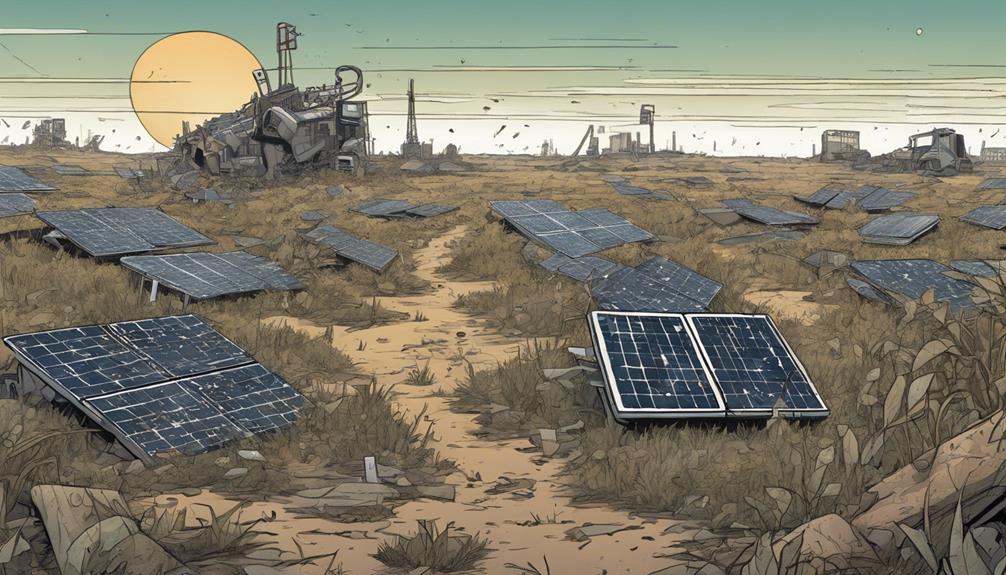
As I reflect on the outcomes of unconnected solar panels, it becomes clear that the unused energy they generate has a profound impact on our environment.
The unutilized energy not only results in a significant loss of potential energy production but also contributes to environmental degradation. By not harnessing this energy, we're essentially adding to the carbon footprint, which worsens climate change.
Moreover, the wasted energy could've been used for alternative purposes, such as heating water or powering small devices, reducing our reliance on fossil fuels. It's essential we address this issue, as the cumulative effect of unconnected solar panels can have devastating long-term consequences for our planet.
Frequently Asked Questions
Can Unconnected Solar Panels Be Repurposed for Non-Electrical Uses?
"Yes, I believe unconnected solar panels can be repurposed for non-electrical uses, such as heating water, powering small devices, and heating indoor spaces, reducing energy waste and promoting sustainability."
How Does Energy Dissipation in Unconnected Panels Impact the Environment?
"When in Rome, do as the Romans do" – in this case, harnessing unconnected solar panel energy. Energy dissipation in these panels not only wastes resources but also hinders environmental sustainability goals, making alternative uses a must.
Are There Any Government Incentives for Utilizing Unconnected Solar Energy?
"I'm happy to report that yes, there are government incentives for utilizing unconnected solar energy, such as tax credits and rebates, encouraging individuals and businesses to harness this wasted potential."
Can Excess Solar Energy Be Sold Back to the Grid?
"I'm curious about cashing in on excess solar energy. Thankfully, yes, I can sell it back to the grid, a clever concept called 'net metering,' allowing me to offset my energy bills and maximize my solar investment."
What Is the Average Lifespan of Energy Storage Solutions for Unconnected Panels?
When it comes to storing excess energy from unconnected solar panels, I've found that the average lifespan of energy storage solutions like batteries and pumped hydro storage can range from 10 to 30 years.
How Can Unconnected Solar Panels Waste Energy Potential?
When solar panels are unconnected, the potential solar panel energy transfer goes to waste. Without a proper connection, the energy generated by the panels cannot be harnessed and utilized. It is important to ensure that all panels are properly linked to maximize energy efficiency.
Conclusion
As I reflect on the journey, I'm left wondering: what if we harnessed the full potential of our solar panels?
The truth is, we're sitting on a goldmine of untapped energy. It's time to stop wasting it.
By repurposing surplus energy and investing in innovative storage solutions, we can maximize our energy production potential.
The environment, and our wallets, will thank us.
Fall yard work Picks
leaf blowers
As an affiliate, we earn on qualifying purchases.