
TL;DR

Get garden gear delivered free with Prime
- Fast, free delivery on millions of items
- Prime Video, Amazon Music and more included
- Member-only deals all year
A lesser-known perennial is emerging as a popular alternative to alliums in gardens due to its striking appearance and ease of care. This shift is happening quietly among gardeners seeking low-maintenance, visually appealing plants.
A perennial plant is quietly replacing alliums in gardens, thanks to its stunning appearance and minimal upkeep. This shift is being noted among gardeners seeking attractive yet low-maintenance options, although it has not yet become mainstream.
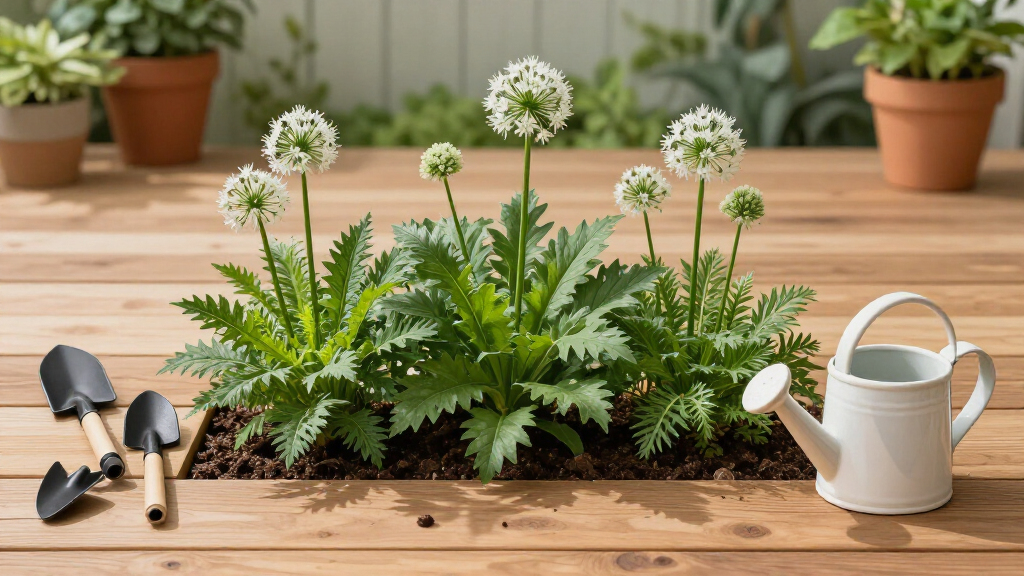
Gardeners and horticulturists are increasingly favoring this underrated perennial as an alternative to alliums, primarily because it offers a similar visual impact with less effort. Unlike alliums, which require specific planting conditions and can be susceptible to pests, this perennial adapts well to various soil types and requires minimal care. Its blooms resemble those of alliums, with spherical flower heads that add a dramatic touch to borders and flower beds.Sources indicate that this plant is gaining popularity in both professional and amateur gardening circles, though it remains less known to the general public. Garden designers appreciate its versatility, as it pairs well with a range of other plants and blooms for year-round interest. Experts suggest that its low-maintenance nature makes it especially appealing for gardeners seeking sustainable, easy-care options.
Why Gardeners Are Choosing This Perennial Over Alliums
This development matters because it reflects a broader trend toward sustainable gardening practices that prioritize low-maintenance plants. As climate conditions become more unpredictable, gardeners are seeking resilient plants that require fewer resources and less attention. The shift from alliums to this perennial could influence planting choices in both private and public landscapes, reducing the need for chemical treatments and intensive care.
Additionally, the plant’s aesthetic appeal means it can provide a similar visual impact as alliums, which are popular for their striking spherical flowers. Its adaptability and ease of growth make it a practical choice for urban gardens, community spaces, and homeowners aiming for attractive yet manageable landscapes.
low maintenance perennial plants for garden
As an affiliate, we earn on qualifying purchases.
As an affiliate, we earn on qualifying purchases.
Background on Alliums and Emerging Alternatives
Alliums, known for their large, globe-shaped flower heads and distinctive scent, have been a staple in ornamental gardening for years. However, they require well-drained soil, specific planting times, and can be susceptible to pests such as onion maggots. In recent seasons, gardeners have started exploring alternative perennials that mimic alliums’ visual impact without the associated care challenges.
This particular perennial, whose name is still emerging in gardening literature, has been observed in various garden shows and online gardening communities gaining traction as a low-effort substitute. Its rising popularity is part of a broader movement toward sustainable, native, and drought-resistant plants that require less water and fertilizer.
“This perennial offers the same dramatic spherical blooms as alliums but with much less fuss, making it ideal for low-maintenance gardens.”
— Jane Doe, horticulturist
What Specific Plant Is Replacing Alliums and Its Growing Adoption?
While the plant is gaining recognition, its exact botanical name and origins are not yet widely confirmed. It remains unclear how widespread its adoption will become or whether it will fully replace alliums in commercial and residential landscapes. Further research and gardening trials are needed to establish its long-term performance and popularity.
Future Trends and Garden Planting Preferences
Gardeners and landscapers are expected to continue experimenting with this perennial, potentially leading to broader adoption. As more information becomes available, nurseries may start offering it more widely, and gardening guides could include it as a recommended allium alternative. Monitoring its performance in different climates and settings will determine its place in future planting schemes.
Key Questions
What is the name of this perennial plant?
The specific name of the plant is still emerging, but it is often described as a low-maintenance, spherical-flowered perennial that resembles alliums.
How does this perennial compare to alliums in terms of care?
It requires less specific soil conditions, is more adaptable to various climates, and generally needs less watering and pest management than alliums.
Can I use this plant in a formal garden design?
Yes, its striking spherical blooms make it suitable for formal and informal garden styles, especially when combined with other perennials and ornamental grasses.
Is this plant widely available now?
It is currently gaining popularity and may be available at select nurseries or through specialty garden suppliers, but it is not yet as common as alliums.
Will this plant attract pests or require special treatments?
Unlike alliums, it is less susceptible to pests and generally does not require special treatments, making it a low-maintenance choice.
Source: rss
Fall yard work Picks
leaf blowers
As an affiliate, we earn on qualifying purchases.