TL;DR
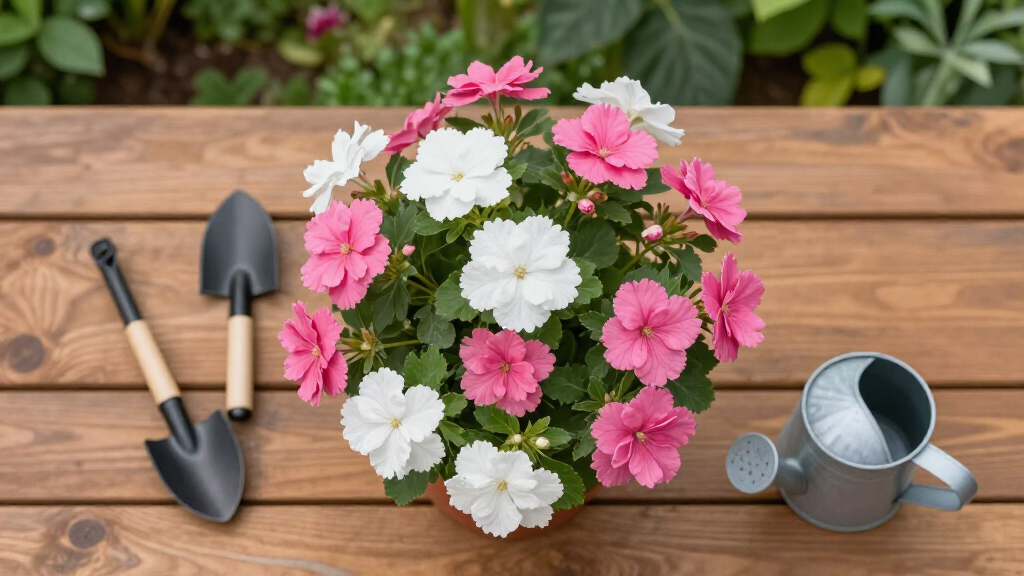
A flowering plant has been identified as a natural firebreak, offering a visually appealing and easy-to-grow solution for fire-prone areas. Experts highlight its potential for enhancing fire safety while beautifying landscapes.
Potential Impact on Fire Prevention and Landscaping
This discovery offers a dual benefit: it enhances fire safety by creating natural barriers and beautifies landscapes with minimal effort. If widely adopted, this plant could reduce wildfire spread in vulnerable areas, especially in regions where conventional firebreaks are difficult or costly to implement. Its ease of growth makes it a practical option for community-led fire mitigation efforts, potentially reducing property damage and saving lives. Additionally, its ornamental qualities make it an attractive choice for sustainable landscaping, blending safety with aesthetics. Experts suggest that integrating such plants into land management strategies could complement existing fire prevention measures, offering a natural, eco-friendly solution that benefits both communities and ecosystems.fire-resistant flowering plants for landscaping
As an affiliate, we earn on qualifying purchases.
As an affiliate, we earn on qualifying purchases.
Research and Adoption of Fire-Resistant Plants
Recent years have seen increased interest in using fire-resistant vegetation as part of wildfire mitigation strategies, especially in fire-prone regions like California and Australia. Prior studies have identified certain shrubs and grasses with fire-retardant properties, but few have combined ease of growth with firebreak capabilities. The recent identification of this flowering plant as both visually appealing and effective as a natural firebreak marks a notable development. Experts have been exploring native and non-native species that can serve dual roles in aesthetics and safety. The plant’s adaptability and low maintenance requirements make it a promising candidate for broader adoption. However, detailed studies on its long-term effectiveness and ecological impact are still underway, and local regulations may influence its implementation.“This flowering plant not only beautifies landscapes but also offers a practical, natural method to slow fire spread, which could be a game-changer in wildfire management.”
— Dr. Emily Carter, Environmental Scientist
Unanswered Questions About Long-Term Effectiveness
It is not yet clear how effective the plant remains over multiple fire seasons or in different environmental conditions. Ongoing studies are assessing its durability, ecological impact, and potential invasiveness in non-native regions. The optimal density and placement strategies for maximum firebreak efficiency are still under development, and local regulations may influence its deployment.Further Research and Pilot Programs Planned
Researchers plan to conduct long-term field trials in fire-prone areas to evaluate the plant’s effectiveness as a natural firebreak. Fire management agencies and community groups are also considering pilot planting programs to test its real-world application. Results from these initiatives will inform guidelines for integrating the plant into broader wildfire mitigation strategies, with potential expansion if successful.Key Questions
What species of plant is being promoted as a natural firebreak?
The specific species has not been publicly named in the available sources, but it is described as a pretty flowering plant with fire-resistant properties.
Can this plant be grown in all climates?
While it is noted for its ease of growth, its suitability across different climates requires further study. Initial reports suggest it adapts well to various soil types, but regional testing is ongoing.
Is this plant invasive or harmful to local ecosystems?
Researchers are currently evaluating ecological impacts, including potential invasiveness, before recommending widespread planting. Local regulations may also restrict its use in some areas.
How does this plant compare to traditional firebreaks?
Unlike physical firebreaks, this plant offers a natural, vegetative barrier that can be easier to establish and maintain. Its effectiveness over time and in different fire scenarios is still being studied.
Can homeowners plant this in their gardens to help prevent fires?
Potentially, yes. However, homeowners should consult local guidelines and experts to ensure it is appropriate for their specific area and that it is planted responsibly to avoid ecological issues.
Source: rss