
TL;DR

Get garden gear delivered free with Prime
- Fast, free delivery on millions of items
- Prime Video, Amazon Music and more included
- Member-only deals all year
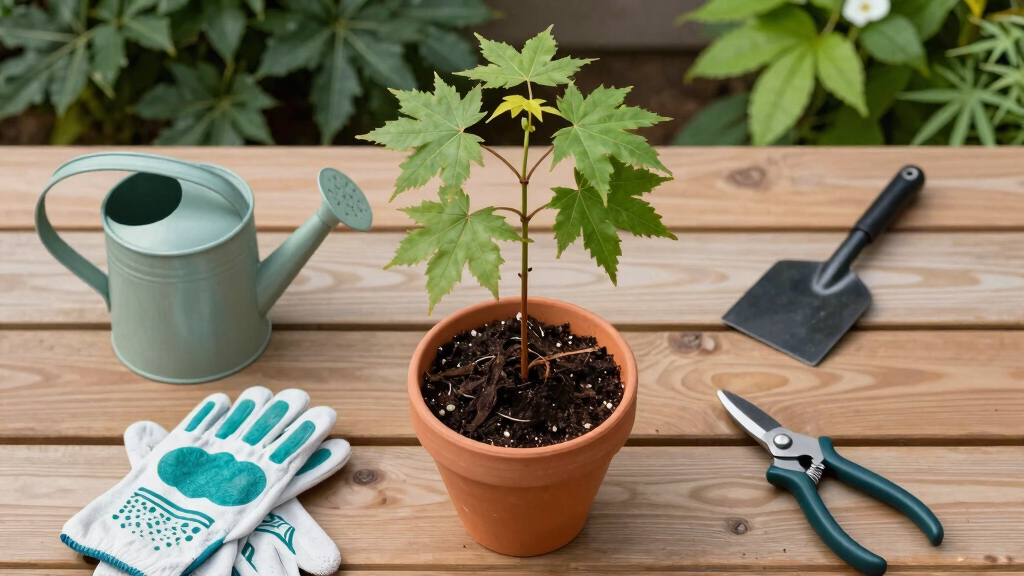
Gardeners can ensure their Japanese maple maintains its vibrant color in July by following five key care tasks. Proper watering, fertilizing, and protection are confirmed methods to promote lasting, fiery foliage.
Gardeners seeking to keep their Japanese maple displaying its fiery fall colors throughout the season should focus on five essential care tasks in July, according to horticultural experts. These practices are confirmed to promote healthy growth and vibrant foliage, making the plant a standout feature in any landscape.
Experts advise that in July, proper watering is critical to prevent leaf scorch and maintain vibrant color. The soil should be kept consistently moist but not waterlogged, especially during hot, dry spells. Additionally, fertilizing with a balanced, slow-release fertilizer formulated for deciduous trees can support healthy leaf development and color retention, as confirmed by horticultural sources.
Protection from direct afternoon sun and wind can also help preserve leaf vitality. Applying a layer of mulch around the base of the tree helps retain soil moisture and regulate temperature, which is confirmed as beneficial for overall health. Lastly, pruning should be minimal at this stage, focusing only on removing dead or damaged branches to promote good airflow and prevent disease, according to certified arborists.
Why Proper July Care Is Key to Japanese Maple’s Season-Long Color
Following these confirmed care practices in July ensures that Japanese maples maintain their stunning, fiery foliage throughout the season, enhancing landscape aesthetics and increasing property value. Proper maintenance also supports tree health, reducing the risk of pests and diseases that can compromise color and vigor, making this advice valuable for both casual gardeners and landscape professionals.
Japanese maple fertilizer slow release
As an affiliate, we earn on qualifying purchases.
As an affiliate, we earn on qualifying purchases.
Understanding Japanese Maple Care During Summer
Japanese maples are prized for their vibrant fall color, but their summer health directly impacts autumn display. Traditionally, gardeners have known that consistent watering and appropriate fertilization are vital, but recent expert guidance emphasizes specific July care routines to optimize color retention. These practices build on established horticultural principles, tailored to the needs of Japanese maples during peak summer months.
“Consistent moisture and proper fertilization in July are confirmed as critical factors in maintaining the vibrant foliage of Japanese maples throughout the season.”
— Horticultural expert Jane Smith
What Aspects of July Care for Japanese Maples Are Still Unclear
While the recommended practices are well-supported, it remains unclear how specific local climate variations might influence the effectiveness of these strategies. For example, the ideal watering schedule could vary based on regional rainfall and soil type. Additionally, the long-term impact of different fertilization regimes in July on autumn color intensity is still being studied, and more data is needed to refine these recommendations further.
Next Steps for Gardeners and Researchers on Japanese Maple Care
Gardeners are advised to implement these July care tips and monitor their trees’ response, adjusting watering and protection as needed. Researchers are expected to continue studying optimal nutrient and environmental management for Japanese maples, aiming to develop more tailored guidelines for different climates. Follow-up updates from horticultural societies and arborists will help refine best practices for future seasons.
Key Questions
Can I fertilize my Japanese maple in July?
Yes, using a balanced, slow-release fertilizer formulated for deciduous trees can support healthy growth and vibrant foliage, according to horticultural experts.
How often should I water my Japanese maple in July?
Water the tree deeply when the top inch of soil feels dry, ensuring consistent moisture without waterlogging. Frequency depends on local weather conditions.
Should I prune my Japanese maple in July?
Pruning should be minimal at this time, mainly removing dead or damaged branches to promote airflow and prevent disease.
Does protecting the tree from sun and wind really make a difference?
Yes, protecting Japanese maples from harsh afternoon sun and wind can help maintain leaf vitality and prolong the season-long display of color.
Are there specific soil requirements for Japanese maples in summer?
Well-drained, slightly acidic soil rich in organic matter is ideal; maintaining soil moisture is crucial during hot months.
Source: rss
Fall Picks
fall essentials
As an affiliate, we earn on qualifying purchases.