AIThis post was created with the assistance of artificial intelligence (AI).
TL;DR

Before you orderOffer from Amazon
Get garden gear delivered free with Prime
- Fast, free delivery on millions of items
- Prime Video, Amazon Music and more included
- Member-only deals all year
Start your free Prime trial Free trial for eligible customers · Cancel anytime
As an affiliate, we earn on qualifying purchases.
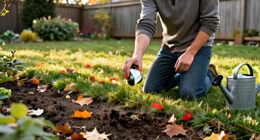
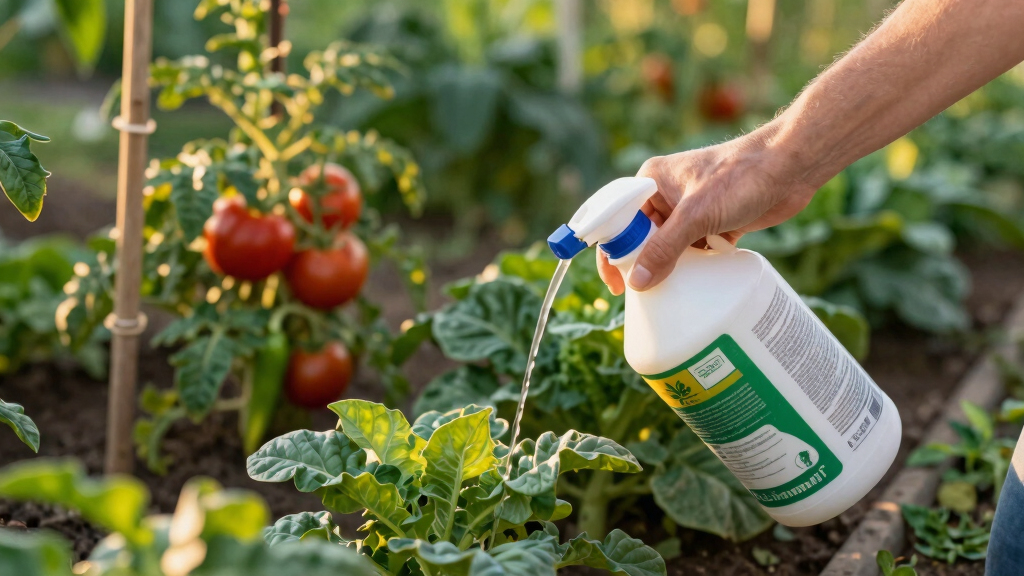
Agricultural experts advise gardeners to fertilize their vegetable gardens now to maximize harvest size. The timing is crucial, but overfeeding can harm plants. This guidance aims to improve yields for home growers.
At a glance
reportWhen: ongoing, with current recommendations a…
The developmentCurrent recommendations highlight the optimal timing for fertilizing vegetable gardens to enhance crop yields, with specific advice on what to avoid.
Why Timing Fertilization Matters for Vegetable Yields
Proper fertilization timing directly impacts vegetable growth and harvest size. Applying nutrients at the right moment ensures plants receive what they need during critical growth phases, leading to healthier plants and bigger yields. Conversely, improper timing or overfeeding can cause nutrient imbalances, plant stress, or environmental harm. For home gardeners, understanding when and how to fertilize can mean the difference between a modest harvest and a bountiful one. This guidance helps maximize productivity while minimizing ecological impact, making it essential for sustainable gardening practices.Amazon
As an affiliate, we earn on qualifying purchases.
Spring as the Prime Fertilization Window for Vegetables
Historically, early spring marks the start of the active growing season for many vegetables. Recent advice from horticultural experts confirms that fertilizing during this period supports vigorous plant development. Past studies show that plants fed during this window tend to produce larger, healthier fruits and vegetables. Experts recommend soil testing to tailor fertilization strategies, which can vary based on local climate and soil conditions. This advice aligns with traditional practices but emphasizes the importance of timing and moderation to optimize results and reduce environmental risks.“Applying balanced fertilizer now, during early spring, can significantly boost vegetable growth and yields, provided gardeners avoid overfeeding.”
— Dr. Lisa Monroe, horticultural specialist
Uncertainties About the Ideal Fertilizer Types and Amounts
While timing is well-advised, specific recommendations on fertilizer types and quantities may vary based on soil conditions, crop types, and local climate. Experts suggest soil testing to determine precise needs, but detailed guidelines for all situations are still being developed. It is not yet clear how different vegetables respond to various fertilization schedules or formulations, and some gardeners may need to adapt based on experience.Next Steps for Gardeners Preparing to Fertilize
Gardeners are encouraged to conduct soil tests before fertilizing and apply a balanced fertilizer during early spring. Monitoring plant response and adjusting fertilization practices accordingly will help optimize yields. Extension services and local gardening centers may provide additional guidance tailored to specific regions. As the growing season progresses, gardeners should observe plant health and adjust fertilization schedules as needed to ensure sustained growth and productivity.Key Questions
When is the best time to fertilize my vegetable garden?
Experts recommend fertilizing during early spring, when vegetables begin active growth, to maximize harvest size.What type of fertilizer should I use?
A balanced fertilizer suited to your soil’s nutrient profile is ideal. Soil testing can help determine the specific needs.How often should I fertilize during the growing season?
Frequency depends on the crop and soil conditions, but typically, a light application every 4-6 weeks is effective. Follow specific crop guidelines.Can overfeeding harm my plants?
Yes, overfeeding can cause nutrient runoff, plant stress, and reduced yields. Moderation and soil testing are recommended.Should I avoid fertilizing at any time?
Avoid fertilizing during periods of drought or when plants are stressed, as this can worsen their condition.Source: rss
Fall Picks
fall essentials
fall essentials
As an affiliate, we earn on qualifying purchases.