TL;DR

Get garden gear delivered free with Prime
- Fast, free delivery on millions of items
- Prime Video, Amazon Music and more included
- Member-only deals all year
Six flower varieties are identified as self-seeding and perennial, returning annually without becoming invasive. These plants offer low-maintenance options for gardeners seeking reliable blooms.
Six flower species have been confirmed to reliably self-seed each year without becoming invasive, offering gardeners attractive, low-maintenance options. This development is significant for those seeking sustainable, hassle-free garden plants that do not threaten local ecosystems or require constant management.
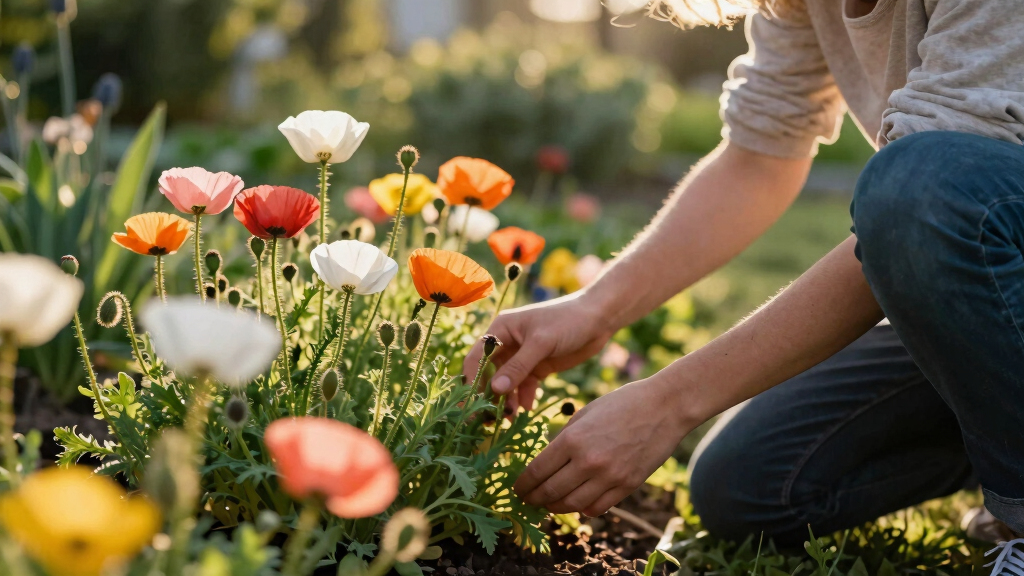
Horticultural experts have identified six flower varieties that naturally self-seed annually and tend not to spread aggressively, making them suitable for a variety of garden settings. These plants include common favorites such as California poppies, coreopsis, black-eyed Susans, blanket flowers, lavender, and echinacea.
According to plant specialists, these species have shown a consistent ability to reseed themselves each year without overtaking neighboring plants or becoming classified as invasive. This trait makes them ideal for gardeners who want vibrant, self-sustaining gardens with minimal intervention.
Researchers emphasize that these plants’ self-seeding behavior is naturally controlled and unlikely to cause ecological issues when grown within typical garden boundaries. Experts also note that proper planting techniques and garden management can further prevent unwanted spread.
Why These Non-Invasive Self-Seeding Flowers Matter for Gardeners
This discovery offers gardeners a way to cultivate colorful, self-sustaining gardens that require less maintenance and reduce the need for replanting each year. It also helps prevent the accidental spread of invasive species, which can threaten local ecosystems.
For environmental conservation, choosing plants that reliably reseed without becoming invasive supports biodiversity and reduces the risk of disrupting native plant populations. These plants provide ecological benefits, such as supporting pollinators, while being manageable for home gardeners.
As an affiliate, we earn on qualifying purchases.
Background on Self-Seeding and Invasive Plant Concerns
Self-seeding plants are valued for their ability to regenerate naturally, saving gardeners time and effort. However, some species, especially certain invasive plants, spread aggressively and threaten native ecosystems. Identifying plants that self-seed reliably but do not become invasive has been a longstanding goal for horticulturists and conservationists.
Recent research and garden reports have highlighted specific species that strike this balance, offering sustainable options for diverse climates and garden styles. The focus has shifted toward promoting plants that support native biodiversity while minimizing ecological risks.
“These six species are excellent choices for gardeners seeking reliable, low-maintenance plants that won’t threaten local ecosystems.”
— Dr. Emily Carter, horticultural scientist
Unanswered Questions About Long-Term Behavior and Ecosystem Impact
While initial observations confirm these plants’ non-invasive self-seeding, long-term studies are still ongoing to assess their behavior over multiple seasons and in different environments. It remains unclear whether environmental changes or garden practices could influence their spread or ecological impact.
Further research is needed to confirm that these species will not become problematic in specific regions or under certain conditions.
Next Steps for Gardeners and Researchers
Researchers plan to monitor these species across diverse climates and garden settings to verify their stability and ecological safety. Gardeners are encouraged to plant these species within managed garden beds and avoid planting in wild or protected areas.
Extension services and horticultural organizations will likely promote guidelines for cultivating these plants responsibly, ensuring they remain a sustainable choice for years to come.
Key Questions
Are these flowers suitable for all climates?
Most of these species are adaptable to a range of climates, but specific suitability depends on local conditions. Gardeners should consult regional planting guides or local extension offices for tailored advice.
Will these plants spread beyond my garden?
When managed properly and planted within garden beds, these plants are unlikely to spread uncontrollably. Proper garden management and planting practices are recommended to prevent unwanted reseeding.
Do these plants require special care?
Generally, these species are low-maintenance, requiring standard watering, sunlight, and occasional pruning. They are well-suited for gardeners seeking easy-care options.
Could these plants become invasive in the future?
Current evidence suggests they are unlikely to become invasive, but ongoing monitoring and responsible gardening are advised to ensure they remain environmentally safe.
Are these plants native or non-native?
Some of these species are native to certain regions, while others are cultivated from non-native origins. Gardeners should consider native options when possible to support local ecosystems.
Source: rss
Columbus Day / Indigenous Peoples' Day Picks
long weekend sales
As an affiliate, we earn on qualifying purchases.