
TL;DR
Gardeners often wonder if they need to reapply mulch in midsummer. Experts recommend inspecting mulch for compaction, color fading, and soil moisture, but specific timing varies. Proper maintenance supports plant health and soil quality.
Gardeners should assess whether it is necessary to reapply mulch during midsummer based on current mulch condition and soil needs, according to recent gardening guidance. This decision impacts plant health, soil moisture, and weed control, making it a key seasonal task for maintaining a healthy garden.
Experts recommend inspecting mulch in midsummer for signs of compaction, fading, or bare patches. If mulch has decomposed significantly or no longer provides effective soil coverage, topping up is advised. The timing varies depending on local climate, mulch type, and garden conditions, but generally, a mid-summer check is recommended.
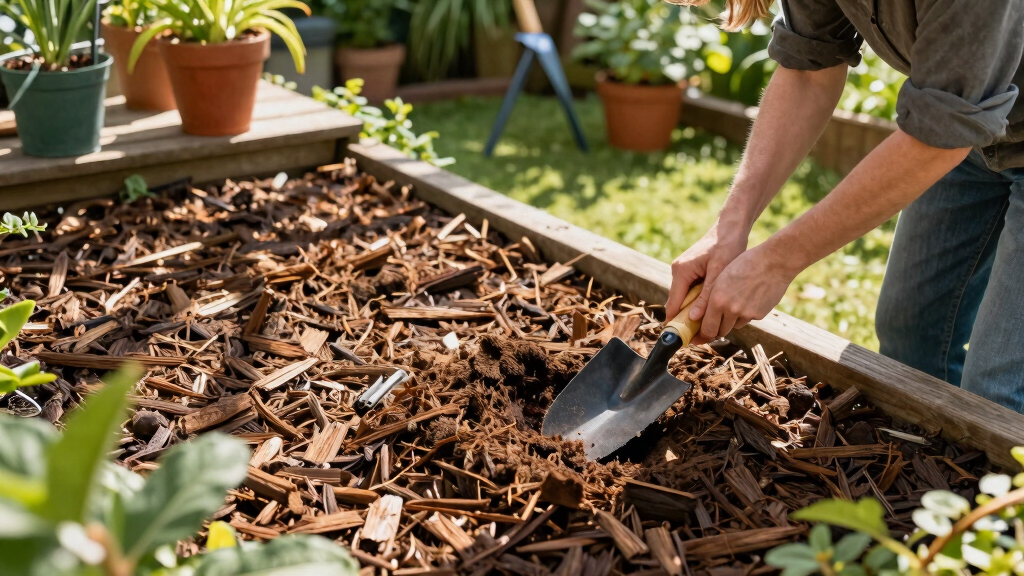
According to horticultural specialists, mulch should be refreshed when it has become too thin to suppress weeds, or when it has lost its insulating properties, leading to soil moisture loss or overheating. Reapplication typically involves spreading a 2-3 inch layer of new mulch over existing material or bare soil.
Proper mulch maintenance supports soil health, conserves moisture, and reduces weeds, which is why it is considered a vital part of midsummer garden care. However, over-mulching can cause issues like root rot or pest problems, so balance is essential.
Why Timely Mulch Reapplication Affects Garden Success
Understanding when to top up mulch in midsummer helps gardeners maintain optimal soil conditions, prevent weed growth, and protect plants from heat stress. Proper mulch management directly influences crop yields and landscape appearance, making it an important seasonal task.
As an affiliate, we earn on qualifying purchases.
Midsummer Mulch Maintenance: What Gardeners Need to Know
Mulch is commonly used in gardens to retain soil moisture, regulate temperature, and suppress weeds. Typically, mulch decomposes gradually, requiring replenishment every one to two years, but the timing for reapplication during midsummer depends on specific conditions. Recent gardening advice emphasizes regular inspection during the season to determine if re-mulching is necessary, especially in regions with hot, dry summers.
Historically, gardeners have re-mulched in early spring or fall, but midsummer reapplication is gaining attention for its role in ongoing plant health. The decision often hinges on the mulch’s appearance, soil moisture levels, and weed presence.
While some experts suggest re-mulching every year, others recommend only topping up when signs indicate it’s needed, making ongoing assessment crucial.
“Inspect your mulch regularly during midsummer for signs of compaction or fading. Reapplying a fresh layer can significantly improve soil health and plant growth.”
— Jane Doe, horticultural expert
What Factors Make It Difficult to Set a Fixed Reapplication Schedule
It is not yet clear how specific climate conditions, mulch types, and garden designs influence the optimal timing for re-mulching during midsummer. Localized weather patterns and soil conditions can vary widely, making universal guidelines challenging to establish.Next Steps for Gardeners Planning Their Midsummer Mulch Care
Gardeners should conduct a physical inspection of their mulch beds now, assessing for signs of decomposition, bare patches, or weed growth. Based on these observations, they can decide whether to top up mulch this season. Experts recommend setting a routine check mid-summer and adjusting based on local weather and soil conditions.
Further research and regional gardening advice are expected to refine guidelines on the ideal timing and methods for re-mulching during midsummer, helping gardeners optimize their garden care routines.
Key Questions
How do I know if my mulch needs to be replaced or just topped up?
If your mulch has become thin, faded, or decomposed significantly, it’s time to add a new layer. If it’s still thick and retains its color and structure, a top-up may suffice.
Can I re-mulch in the heat of midsummer?
Yes, but it’s best to do so early in the morning or late in the evening to avoid heat stress on yourself and the plants. Ensure the soil is moist before applying new mulch.
What type of mulch is best for reapplication during summer?
Organic mulches like wood chips, bark, or straw are common choices. They decompose gradually and help with moisture retention. Select mulch suited to your garden’s specific needs and local climate.
How often should I check my mulch during midsummer?
Regular inspections every 4-6 weeks are recommended, especially during hot, dry periods, to determine if reapplication or additional watering is needed.
Are there any risks associated with re-mulching in midsummer?
Over-mulching can lead to poor aeration, root rot, or pest issues. It’s important to apply a proper layer and avoid covering stems or plant crowns.
Source: rss