
TL;DR

Get garden gear delivered free with Prime
- Fast, free delivery on millions of items
- Prime Video, Amazon Music and more included
- Member-only deals all year
A drought-resistant ground cover is being promoted as a sustainable alternative to traditional lawns, reducing water use and maintenance. Experts say it offers a lush, never-mowing landscape, but details about its long-term viability are still emerging.
Environmental advocates and landscapers are increasingly promoting a drought-resistant ground cover as a sustainable alternative to traditional lawns. This new plant promises a lush, green landscape that requires little to no watering or mowing, addressing concerns about water conservation and maintenance costs. While its popularity is rising, experts are still assessing its long-term performance and ecological impact.
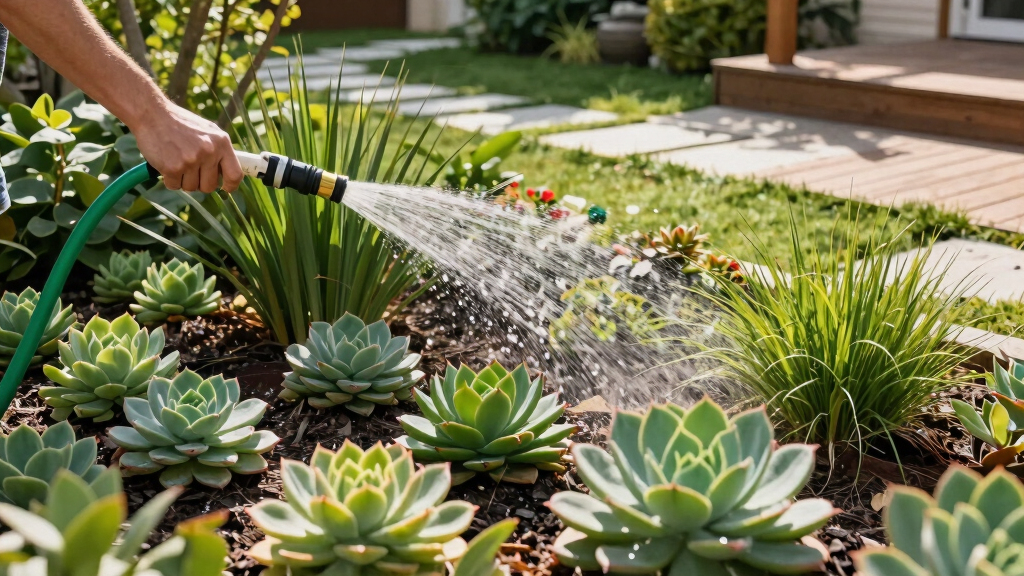
The ground cover, known as Sedum or similar drought-tolerant species, is being marketed as a low-maintenance, eco-friendly alternative to traditional grass lawns. It can thrive in dry conditions, requiring significantly less water, and does not need mowing, reducing labor and noise pollution. Several landscapers and homeowners have reported positive results in regions affected by droughts and water restrictions.
According to horticultural experts, this plant can create a dense, attractive green carpet that remains lush through the growing season. However, there is ongoing research into its durability over multiple seasons and its compatibility with local ecosystems. Environmental groups emphasize its potential to cut water consumption and reduce chemical use associated with lawn maintenance.
Implications for Water Conservation and Sustainable Landscaping
This development could significantly impact water conservation efforts, especially in drought-prone areas. By replacing traditional lawns with drought-tolerant ground covers, homeowners and municipalities could reduce water use, lower maintenance costs, and decrease chemical runoff. The shift could also influence landscaping industry standards and promote broader adoption of eco-friendly practices.
Popular right now

TCL 85-Inch QM6K Series QLED Mini LED 4K HDR Smart Google TV

Philips 4400 Series Fully Automatic Espresso Machine with LatteGo Milk System

iRobot Roomba 105 Vac Robot Vacuum
As an affiliate, we earn on qualifying purchases.
Growing Interest in Eco-Friendly Lawn Alternatives
Traditional grass lawns are known for their high water and maintenance requirements, prompting environmental concerns and restrictions in many regions. Recent years have seen increased interest in sustainable landscaping options, including native plants, artificial turf, and drought-resistant species like Sedum. While some alternatives have faced skepticism regarding their appearance or ecological impact, the new ground cover is gaining attention for its aesthetic appeal and low resource use.
This trend aligns with broader efforts to combat climate change and promote water efficiency. The concept of replacing thirsty lawns with resilient, low-maintenance plants has been supported by environmental organizations and some local governments, which are encouraging residents to adopt more sustainable landscaping practices.
“Sedum and similar drought-tolerant ground covers can transform landscapes by providing lush greenery with minimal water and upkeep.”
— Jane Miller, horticultural expert
Long-Term Performance and Ecological Impact Still Under Review
While initial reports are promising, it is not yet clear how well this drought-resistant ground cover will perform over multiple seasons across diverse climates. Experts caution that more research is needed to assess its ecological impact, potential invasiveness, and compatibility with existing ecosystems. Additionally, the long-term durability and aesthetic qualities remain under evaluation by horticultural researchers.
Ongoing Trials and Industry Adoption Will Shape Future Use
Researchers and landscapers plan to conduct further trials in different regions to evaluate the plant’s resilience and ecological effects. Meanwhile, industry groups are developing guidelines for sustainable landscaping practices involving drought-tolerant species. Expect more pilot projects and possibly wider adoption as data becomes available and consumer interest grows.
Key Questions
Is this drought-resistant ground cover suitable for all climates?
It is most suitable for regions with dry or semi-arid conditions, but its performance in wetter climates is still being studied. Local climate compatibility should be assessed before planting.
Does replacing a lawn with this ground cover require any special maintenance?
Compared to traditional grass, it requires minimal watering and no mowing. Occasional pruning or removal of weeds may be needed to maintain its appearance.
Can this ground cover support local wildlife or ecosystem health?
Research is ongoing, but early indications suggest it can support some native insects. However, its ecological impact varies by region and species used.
Is this a permanent replacement for traditional lawns?
While promising, experts advise monitoring its performance over time. It may serve as a long-term alternative, but further studies are needed to confirm durability.
Source: rss