TL;DR
Recent studies indicate that shallow watering is not always harmful and can be beneficial for certain plants under specific conditions. This challenges traditional advice favoring deep watering for root health.
Implications for Gardeners and Water Conservation
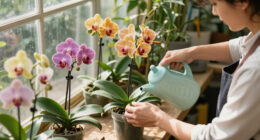
This development matters because it offers a more tailored approach to watering, potentially saving water and promoting healthier plants. Gardeners can adjust their watering practices based on plant type and soil conditions, reducing waste and improving plant resilience. Additionally, understanding when shallow watering is beneficial can help in drought management and sustainable gardening practices, especially in regions facing water shortages. The findings also encourage a reevaluation of traditional watering advice, fostering more nuanced and effective plant care strategies.garden watering can with adjustable spray
As an affiliate, we earn on qualifying purchases.
As an affiliate, we earn on qualifying purchases.
Recent Research Challenges Traditional Watering Advice
For decades, gardening guides have recommended deep watering to promote strong, deep roots and drought resilience. However, recent studies from agricultural research institutions have shown that shallow watering can be more appropriate for certain plants, particularly those with shallow roots or in specific soil types. These findings are part of a broader movement toward precision watering, which aims to optimize water use and plant health. The research emphasizes that watering practices should be adapted to local conditions rather than following a one-size-fits-all rule. This shift is driven by increased awareness of water conservation needs and a better understanding of plant root dynamics.“Shallow watering can be more effective for certain plants, especially in sandy soils or when managing water resources carefully. It encourages roots to stay near the surface where moisture is more readily available.”
— Dr. Emily Carter, Agricultural Scientist
Conditions and Plant Types Where Shallow Watering Is Beneficial
It remains unclear which specific plant species and soil conditions benefit most from shallow watering, and how these practices compare long-term with deep watering across diverse environments. Further research is needed to develop detailed guidelines for different garden and farm settings.Further Studies and Practical Guidelines for Watering Strategies
Researchers plan to conduct more field trials to identify which plants and soil types respond best to shallow watering. Extension services and gardening experts are expected to develop tailored guidelines to help gardeners implement these findings effectively. Monitoring the long-term effects of different watering depths on plant health and water conservation will be key to refining recommendations.Key Questions
Is shallow watering suitable for all plants?
No, shallow watering is most effective for plants with shallow root systems or in specific soil conditions. Deep-rooted plants or those in drought-prone areas may still require deep watering.
Can shallow watering save water?
Yes, in certain situations, shallow watering can reduce water waste by targeting moisture where roots are actively growing, especially in sandy or well-drained soils.
Does shallow watering harm plants?
Not necessarily. When applied appropriately based on plant type and soil conditions, shallow watering can support healthy growth. Overwatering or improper timing can cause issues, so understanding specific needs is important.
How do I know when to water shallowly or deeply?
Observe your soil and plant roots. If roots are shallow or soil drains quickly, shallow watering may be better. For deep-rooted plants or in dry conditions, deeper watering is often necessary.
Are there environmental benefits to shallow watering?
Yes, targeted shallow watering can reduce overall water consumption and runoff, supporting sustainable gardening and water conservation efforts.
Source: rss