I've found that innovative strategies to lighten wind turbine blades are essential for improving efficiency and cutting costs. Optimizing blade design, material selection, and manufacturing processes can greatly reduce weight. For instance, using high-strength, lightweight materials and advanced techniques like 3D printing can create lighter blades without compromising performance. Additionally, designing blades with aerodynamics in mind can minimize drag and maximize energy production. As I explore this topic further, I'm excited to uncover more cutting-edge approaches that are transforming the wind energy industry.

Get garden gear delivered free — and shop member deals
- Fast, free delivery on millions of items
- Access to Prime Big Deal Days deals on October 6–7
- Prime Video, Amazon Music and more included
Key Takeaways
- Advanced materials like carbon fiber-reinforced polymers offer high strength-to-weight ratios for lighter blades.
- 3D printing and precision molding enable complex geometries and internal structures, reducing weight while maintaining strength.
- Optimizing blade design through aerodynamics and engineering expertise minimizes weight while preserving performance.
- Innovative manufacturing techniques, such as precision shaping, reduce drag and enhance performance while minimizing material waste.
- Research into ultra-lightweight materials and bio-inspired designs is ongoing, promising future breakthroughs in blade weight management.
Factors Influencing Blade Weight
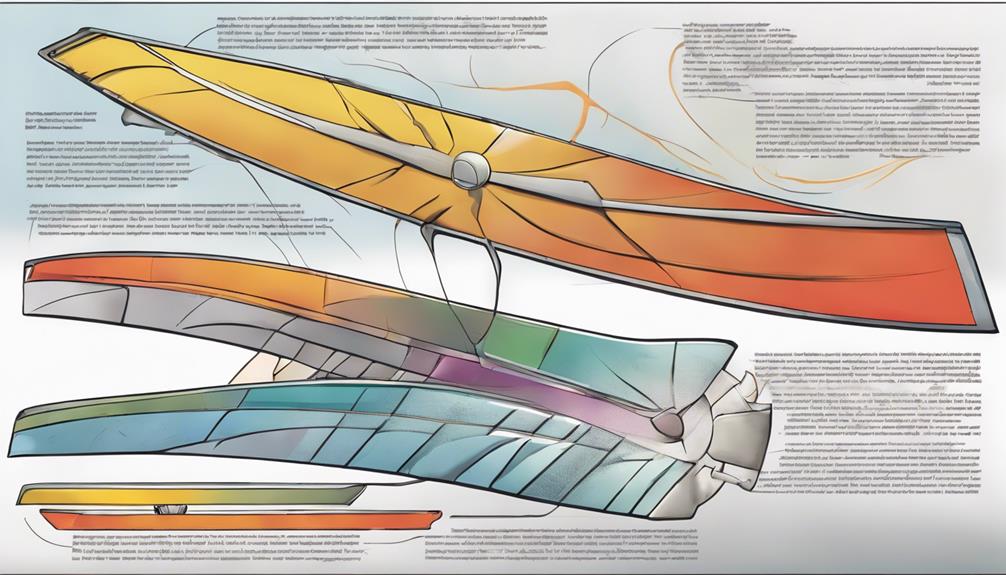
When it comes to determining the weight of a wind turbine blade, several key factors come into play, including blade design, material selection, and aerodynamics, all of which have a significant impact on the overall weight of the blade.
As I explore the world of wind energy, I've learned that longer blades tend to be heavier, but the weight increase follows a diminishing rate. Material strength, recyclable materials, and sustainable manufacturing processes also play a pivotal role in blade weight.
Additionally, structural integrity, shape, and environmental considerations influence the weight of wind turbine blades. By understanding these factors, we can optimize blade design and material selection to reduce weight while maintaining performance.
Blade Length and Structural Integrity
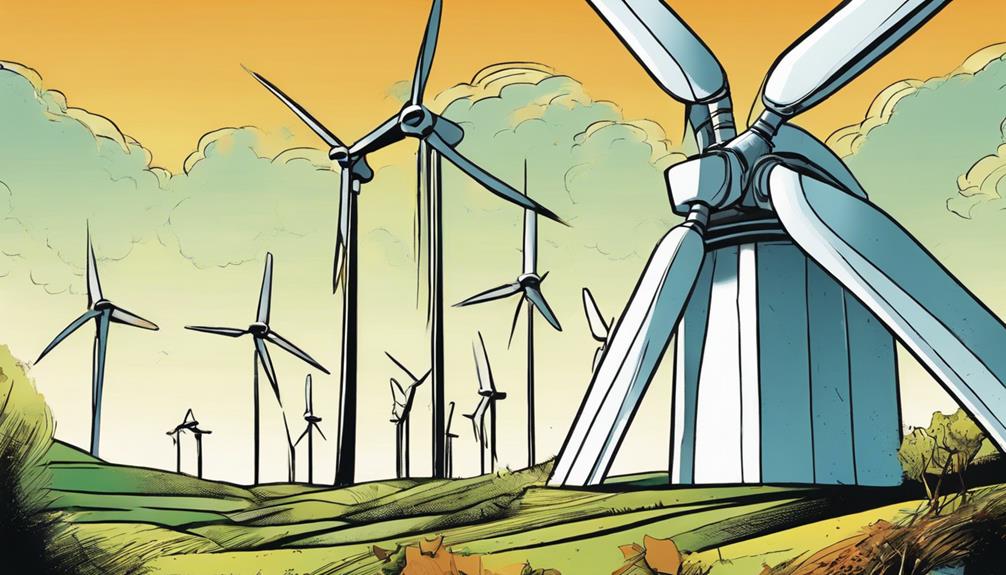
As I explore further into the complexities of wind turbine blade design, I've come to realize that blade length has a profound impact on structural integrity, with longer blades requiring careful consideration to guarantee they can withstand the stresses of rotation and environmental forces.
The longer the blade, the greater the surface area, which increases weight and puts additional stress on the structure. This means that designers must balance the benefits of longer blades, such as increased energy capture, with the potential risks of structural failure. It's a delicate trade-off, and one that requires a deep understanding of aerodynamics, materials science, and structural engineering.
Material Selection for Sustainability
I'm examining how material selection plays an essential role in achieving sustainable wind turbine blades, particularly in reducing their weight and environmental impact.
The choice of materials is vital, as it directly affects the blade's weight, strength, and recyclability.
I'm looking for materials with high strength-to-weight ratios, which enable the creation of lighter blades without compromising their structural integrity.
Recyclable or low-carbon-footprint materials are also a priority, as they help minimize waste and reduce the environmental impact of blade production.
Advanced Manufacturing Techniques
By leveraging advanced manufacturing techniques, such as 3D printing and precision molding, wind turbine blade designers can craft lighter, stronger blades that optimize power generation while minimizing material waste. These innovative methods allow for the creation of complex geometries and internal structures that reduce material usage without compromising structural integrity.
Carbon fiber-reinforced polymers, for instance, offer a high strength-to-weight ratio, enabling the production of lighter yet stronger blades. Advanced manufacturing techniques also enable the precise shaping of blades, reducing drag and enhancing performance.
Future Trends in Weight Management
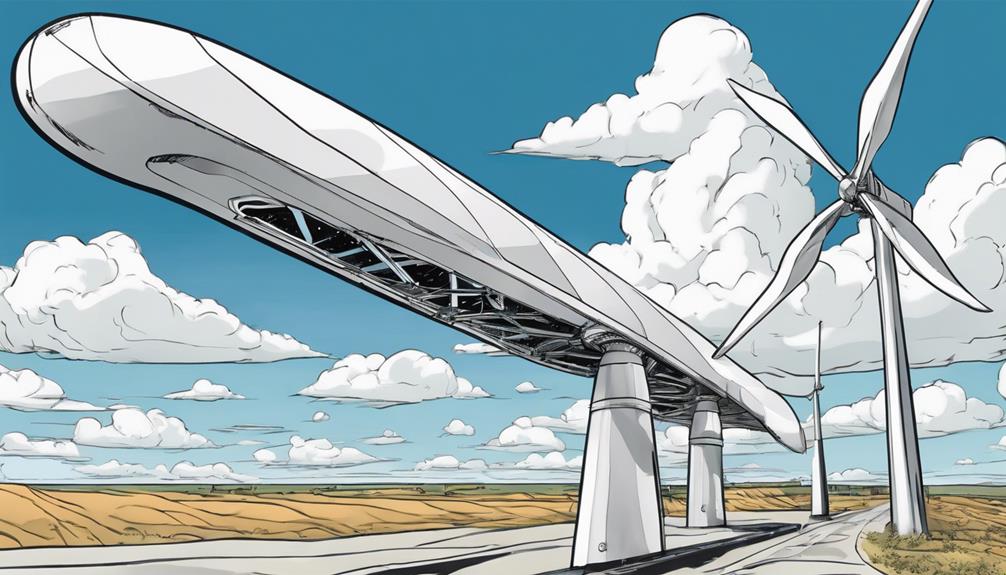
Researching ultra-lightweight materials and bio-inspired designs, the wind industry is poised to revolutionize wind turbine blade weight management. I'm keen to see advancements in manufacturing processes, data analytics, and AI optimize blade design for weight efficiency.
The push for sustainable energy is driving innovation, with the offshore wind farm sector leading the charge in lightweight blade construction for transport and installation. Collaboration between industries and academia is accelerating progress, and I'm excited to see the results.
As we look to the future, I predict even more innovative solutions will emerge, further reducing wind turbine blade weight while maintaining performance and structural integrity. The future of wind energy is bright, and I'm thrilled to be a part of it.
Frequently Asked Questions
How Do Wind Turbine Blade Weights Impact Overall Energy Production Costs?
"I've found that heavier wind turbine blades increase energy production costs due to higher material and transportation expenses, as well as reduced efficiency and performance, ultimately affecting the overall cost of wind-generated electricity."
Can Lighter Blades Compromise Wind Turbine Stability and Performance?
Honestly, I'm a bit concerned that lighter blades might sacrifice some stability and performance, but careful design and material selection can mitigate this risk, ensuring a sweet spot between weight reduction and turbine reliability.
Are There Any Standardized Testing Protocols for Wind Turbine Blade Weight?
'I'm glad you asked about standardized testing protocols for wind turbine blade weight. Yes, there are protocols like IEC 61400-23, which guarantees blades meet performance and safety standards, including weight-related criteria, before installation.'
What Role Does Government Regulation Play in Promoting Sustainable Blade Materials?
Government regulations are the wind in my sails, driving the industry towards sustainable blade materials. By setting stringent environmental standards, governments incentivize manufacturers to adopt eco-friendly materials, reducing the sector's carbon footprint and promoting a greener future.
Can 3D Printing Be Used to Manufacture Entire Wind Turbine Blades?
I think 3D printing entire wind turbine blades is feasible, but challenges lie in scaling up the process, ensuring material strength, and meeting structural integrity requirements while maintaining cost efficiency.
What are some of the innovative strategies for wind turbine blade optimization?
When it comes to optimizing wind turbine performance, utilizing advanced materials such as carbon fiber and innovative designs like variable-length blades can significantly improve the efficiency of wind turbines. Additionally, implementing advanced control systems and optimizing the shape of the blades can further enhance the overall performance of optimal wind turbine blades.
Conclusion
As I reflect on the journey to lighter wind turbine blades, I'm left with a sense of excitement and awe.
The innovations unfolding before our eyes are like a master chef's recipe, expertly blending art and science to create a dish that's both sustainable and efficient.
The future of renewable energy has never looked brighter, and I'm thrilled to have shared this glimpse into the cutting-edge strategies that will shape its course.
Fall yard work Picks
leaf blowers
As an affiliate, we earn on qualifying purchases.