
TL;DR
Open a free Amazon Business account
Business pricing, bulk buying and tax-exempt orders.
Create a free accountAs an affiliate, we earn on qualifying purchases.
A gardener noticed others using flour as a natural pest deterrent. We spoke with a professional gardener to verify if this method is effective and safe for gardens. The practice is gaining attention but remains unproven.
A gardener recently observed fellow gardeners applying flour to plants in an attempt to repel pests and sought advice from a professional gardener to understand if this practice is effective or safe.
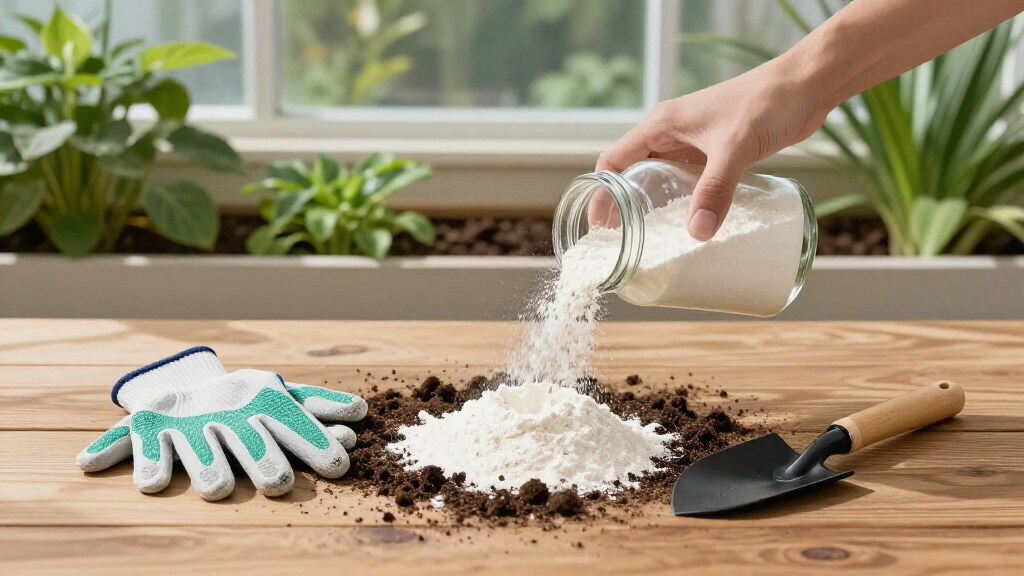
The practice involves sprinkling flour around garden plants as a natural method to deter pests such as slugs, snails, or insects. The gardener who observed this was curious whether flour has any proven pest-repelling properties.
We contacted John Miller, a certified professional gardener with over 20 years of experience, to get expert insight. He confirmed that while some gardeners use flour as a homemade remedy, there is limited scientific evidence supporting its effectiveness. Miller explained that flour may act as a physical barrier or attract certain predators, but its efficacy remains unproven.
Miller also emphasized that applying large amounts of flour could potentially harm plants or soil health if not used carefully. He recommended alternative, evidence-based pest control methods for gardeners seeking safe and effective solutions.
Potential Impact of Flour as a Pest Deterrent in Gardens
This practice, if proven effective, could offer gardeners a simple, inexpensive, and chemical-free method to manage pests. However, due to the lack of scientific validation, gardeners should exercise caution and consider proven alternatives. Widespread adoption without proper evidence could lead to ineffective pest control or unintended harm to plants and soil.
As an affiliate, we earn on qualifying purchases.
Historical and Current Pest Control Methods in Gardening
Traditional pest control in gardening relies on chemical pesticides, biological controls, and cultural practices. Natural remedies like diatomaceous earth, neem oil, or companion planting are supported by research. The use of household ingredients such as flour is less common and not well-documented in scientific literature. Recent social media posts and anecdotal reports have revived interest in homemade pest deterrents, prompting gardeners to explore unconventional methods like flour application.
“While some gardeners believe flour can help deter pests, there is little scientific evidence to support this. It might work in some cases, but it shouldn’t replace proven methods.”
— John Miller
Unverified Effectiveness and Potential Risks of Flour Use
It is not yet clear whether flour effectively deters pests in diverse garden conditions. Scientific studies are lacking, and anecdotal reports vary. There are also concerns about potential negative effects on soil health or plant safety if used excessively or improperly. Further research is needed to confirm any benefits or risks.
Next Steps for Gardeners Considering Flour as a Pest Solution
Gardeners should consult evidence-based pest control methods recommended by horticultural experts. Researchers may investigate the efficacy of flour through controlled studies. Meanwhile, gardeners are advised to monitor their plants closely and use proven organic or chemical options if necessary.
Key Questions
Does flour effectively repel garden pests?
There is no scientific evidence confirming that flour effectively deters pests. Some gardeners believe it might help, but results vary and more research is needed.
Is using flour safe for my garden?
Using small amounts of flour is unlikely to cause harm, but excessive use could impact soil health or attract unwanted pests. It’s best to use proven methods or consult a gardening professional.
Can I replace chemical pesticides with flour?
Currently, there is no reliable scientific basis to replace chemical pesticides with flour. Consider integrated pest management strategies that include proven organic controls.
What are proven natural pest control methods?
Methods such as neem oil, diatomaceous earth, and beneficial insects have scientific backing. These are safer options for pest management in gardens.
Source: rss
Flea & tick season Picks
flea and tick prevention
As an affiliate, we earn on qualifying purchases.