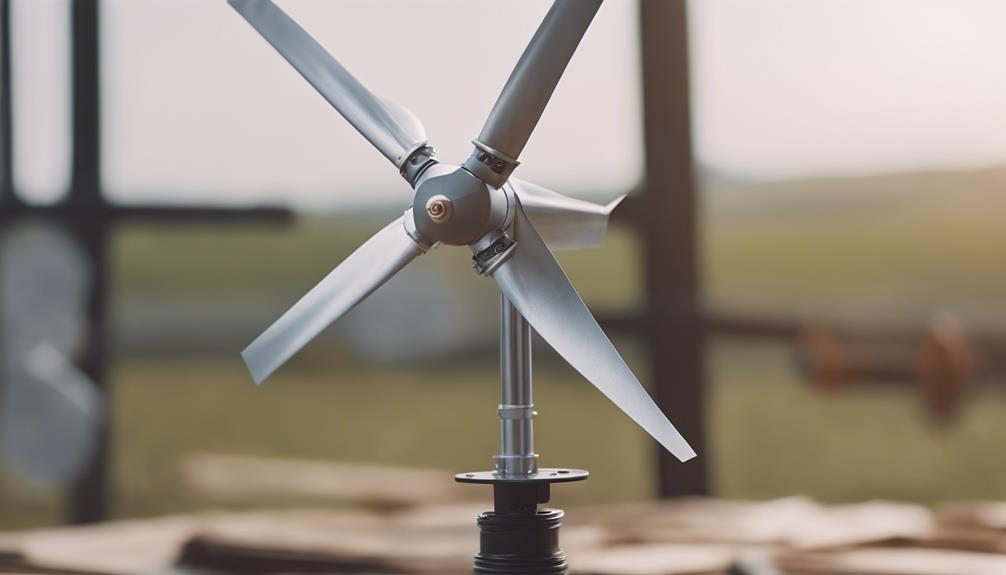

You can make a wind turbine at home by getting a surplus DC motor, proper blades, a sturdy tower, and a control system. Construct blades using PVC pipes, balance them, and connect securely to the generator. Assemble the turbine head on a stable tower and test its performance in the wind. Review cost analysis, consider updates, and harness renewable energy with a total project cost of $140.62. Utilize the wind turbine to power devices off-grid efficiently. Enhance power generation by integrating with a solar panel setup. Start your renewable energy journey with this DIY guide.

Get garden gear delivered free — and shop member deals
- Fast, free delivery on millions of items
- Access to Prime Big Deal Days deals on October 6–7
- Prime Video, Amazon Music and more included
Key Takeaways
- Utilize surplus DC motor for power conversion efficiency.
- Construct PVC blades for effective wind energy capture.
- Build a sturdy tower to support the turbine securely.
- Include a control system for energy generation management.
- Ensure a charge controller for power regulation.
As an affiliate, we earn on qualifying purchases.
Acquiring Necessary Components
To build a homemade wind turbine successfully, start by acquiring the necessary components such as a surplus permanent magnet DC motor for the generator. This type of motor is ideal for converting wind energy into electrical power efficiently.
Make sure to also obtain blades designed to capture wind energy effectively, a sturdy tower to support the turbine, and a control system to manage the energy generation process. Additionally, acquiring a charge controller is essential to regulate the power flow and protect the batteries from overcharging.
When selecting components, consider the wind speed in your location to guarantee the turbine can harness sufficient energy. The shaft connecting the blades to the generator must be durable and well-matched to handle the rotational forces.
All components must work harmoniously to maximize the turbine's efficiency and power generation capabilities. By carefully choosing each component and confirming their compatibility, you pave the way for a successful DIY wind turbine project.
Construction and Assembly Process
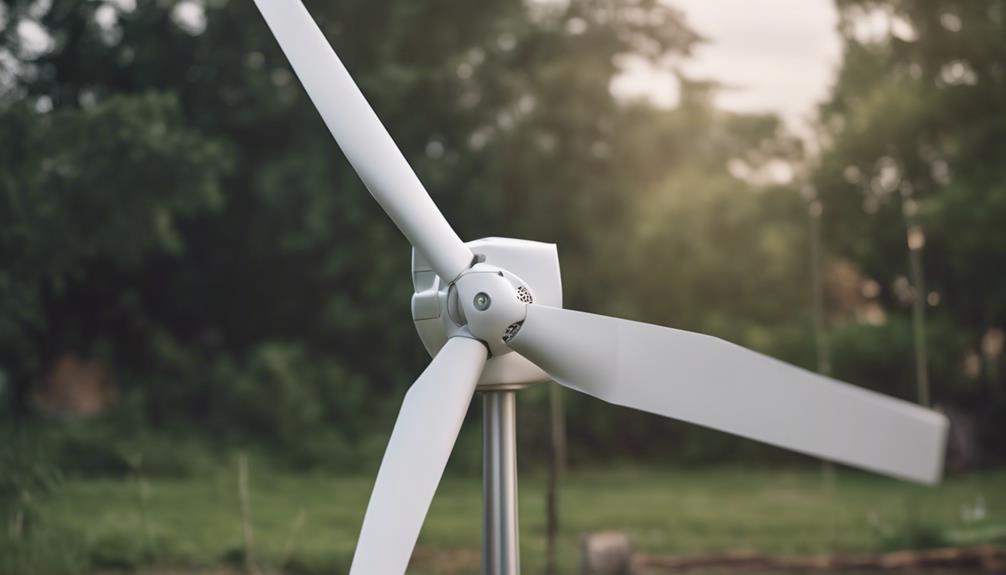
Erect the turbine blades using PVC pipe to secure durability and efficiency throughout the assembly process. Guarantee the blades are of equal length and width to maintain balance and maximize wind capture.
Next, build a sturdy hub to connect the blades to the generator securely. This connection is vital for best power generation.
Raise a stable tower using plywood and metal fittings to support the wind turbine. The tower must be strong to withstand windy conditions, ensuring the turbine's longevity.
To protect against weathering, paint all wooden components with white latex paint. This step is necessary for the turbine's durability.
Assemble all wind turbine components meticulously. Proper assembly is key to ensuring the turbine functions correctly and performs effectively.
Final Assembly and Testing
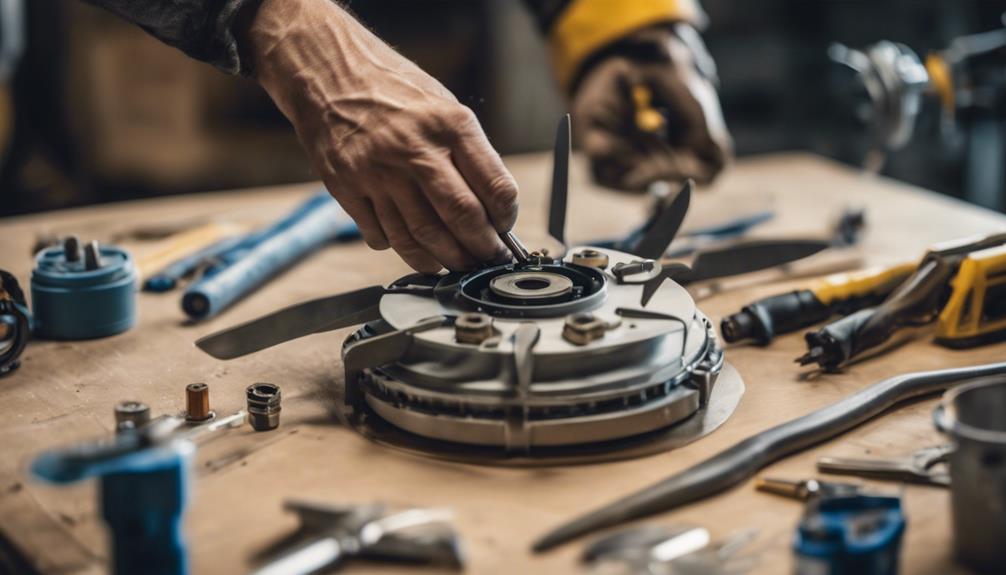
Assemble the wind turbine head securely on the tower to proceed with connecting all electronic components for proper operation.
Make sure to erect the wind turbine on the tower at a suitable height, ensuring it's properly braced and aligned to efficiently capture the wind.
Test the wind turbine in windy conditions to observe the performance of the blades and generator converting mechanical energy into electricity.
Build a charge controller to regulate the electricity generated and monitor the battery voltage for efficient power storage in a battery bank.
Consider using Alternating Current (AC) for the electrical output when the wind is blowing consistently.
By following these steps, you can put together a functional wind generator that harnesses wind power effectively.
Enjoy the benefits of having sustainable power in remote locations by utilizing the wind energy captured by the DIY wind turbine.
Cost Analysis and Updates
As you review the cost analysis and recent updates of the DIY wind turbine project, you'll gain insight into the financial aspects and advancements made in enhancing efficiency.
The project cost for building the wind turbine totaled $140.62, emphasizing the cost-effectiveness of DIY solutions compared to commercial alternatives.
Updates included rebuilding the charge controller to improve efficiency and integrating solar panels to maximize power generation.
By combining wind and solar technologies, the project demonstrated practicality in power generation, especially evidenced by successful operation in Arizona's climate.
The integration of these renewable energy sources not only showcased cost savings but also highlighted the potential for sustainable power solutions at home.
Project Completion and Utilization
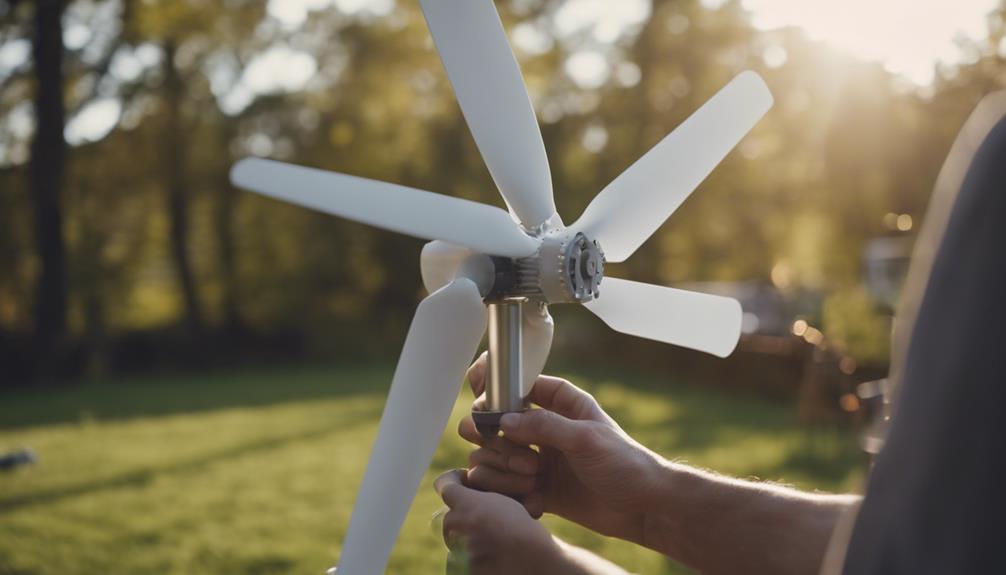
Once the wind turbine project is completed, you can immediately start utilizing it to power various electronic devices, trailers, lighting, and appliances in remote locations. This small wind generator can be a valuable source of renewable energy in off-grid settings. While it may not support high-power devices, it offers a reliable and sustainable power supply.
The successful operation of a similar wind turbine setup in Arizona highlights the efficiency of harnessing wind power for electricity.
With a total project cost of $140.62, building a wind turbine at home proves to be an affordable alternative to commercial options. To enhance the power generation and storage capacity of the wind turbine, consider integrating it with a solar panel setup. This combination of solar and wind power guarantees a more dependable energy supply for your needs.
Frequently Asked Questions
Can I Make My Own Wind Turbine at Home?
Yes, you can definitely make your own wind turbine at home. It's a cost-effective and eco-friendly energy solution. By building a DIY turbine, you can harness renewable energy to power small devices while customizing it to fit your specific needs.
Is It Legal to Build Your Own Wind Turbine?
Yes, it's legal to build your own wind turbine in many areas for personal use. Regulations vary based on size and location. Check local laws and codes for compliance. Some places may require permits or approvals.
Can I Use a Car Alternator to Build a Wind Generator?
Yes, you can definitely use a car alternator to build a wind generator. It efficiently converts mechanical energy into electrical power. Repurposing it for this DIY project is a cost-effective and practical choice for generating electricity.
How Much Power Does a Homemade Wind Turbine Produce?
A homemade wind turbine can produce anywhere from 100 watts to 1 kilowatt of power, depending on factors like wind speed and blade design. With proper monitoring and optimization, you can maximize its efficiency for generating electricity.
Can I Use the Same DIY Guide to Make a More Complex Wind Turbine at Home?
Yes, you can use the same simple wind turbine tutorial to create a more complex wind turbine at home. By building on the basic principles and design of the original tutorial, you can expand and enhance the turbine to generate more power and efficiency for your energy needs.
Conclusion
To sum up, you have successfully built your own wind turbine at home. With a little elbow grease and some DIY know-how, you have harnessed the power of the wind to generate clean, renewable energy.
The world is your oyster now, as you can proudly say you have put your money where your mouth is and taken a step towards a more sustainable future.
The sky's the limit for what you can achieve with your newfound skills and determination.
Halloween Picks
halloween
As an affiliate, we earn on qualifying purchases.