
TL;DR

Get garden gear delivered free with Prime
- Fast, free delivery on millions of items
- Prime Video, Amazon Music and more included
- Member-only deals all year
Researchers have discovered a flowering plant that naturally repels squirrels, offering a safer, eco-friendly alternative to traps. This development could change pest control methods in gardens.
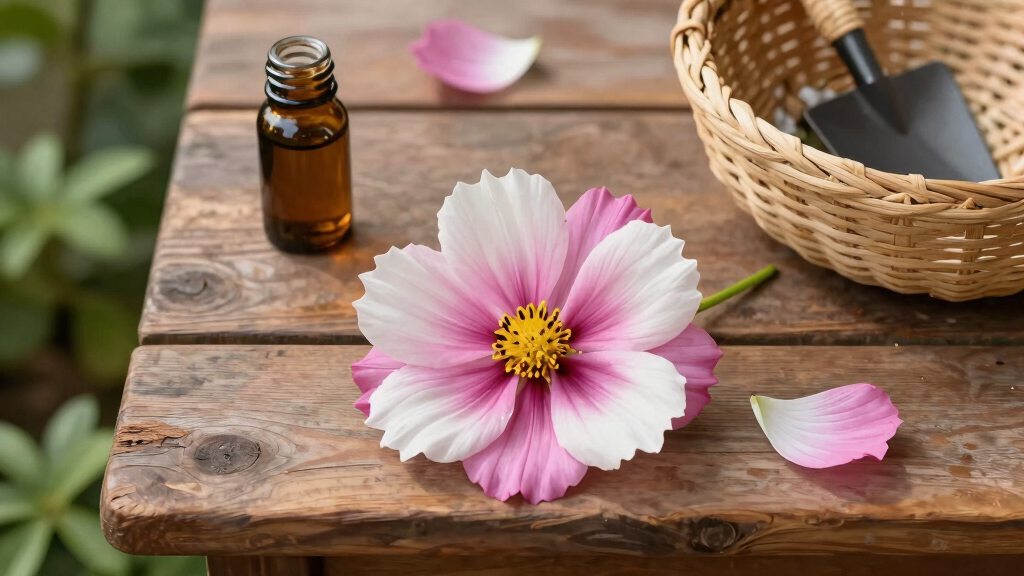
Scientists and garden enthusiasts are now promoting a beautiful flower as a natural way to deter squirrels, offering an alternative to harmful traps. This discovery highlights a safer, eco-friendly approach to managing squirrel problems in residential and commercial gardens.
Recent research from horticultural experts has identified a specific flowering plant, known for its vibrant appearance, that emits natural scents and compounds repelling squirrels. Unlike traditional traps, which can cause injury or stress to wildlife, this flower provides a non-lethal, chemical-free method of pest control. Gardeners and wildlife advocates have expressed interest in adopting this method, citing its safety and environmental benefits. The plant’s effectiveness has been tested in various garden settings, showing consistent results in reducing squirrel activity without affecting other wildlife or pets.According to Dr. Emily Carter, a leading botanist involved in the study, “This flower offers a promising, natural alternative to traps, which can be stressful and sometimes harmful to animals. Our findings suggest it could be integrated into sustainable garden management practices.” The plant’s specific scent compounds are still being studied to determine the most effective application methods and whether certain varieties are more potent.Implications for Humane Pest Control in Gardens
This discovery matters because it provides a safer, more humane method of deterring squirrels, which are common garden pests causing damage to plants and property. It offers a eco-friendly alternative to chemical repellents or traps, reducing the risk of injury to wildlife and pets. If widely adopted, this approach could influence pest management standards, encouraging more sustainable and animal-friendly practices in residential, commercial, and public gardens.
As an affiliate, we earn on qualifying purchases.
Background on Squirrel Deterrence Methods and Recent Discoveries
Traditional methods to control squirrel populations include traps, repellents, and barriers. Traps can be effective but often raise animal welfare concerns and sometimes result in injury or stress for the animals. Chemical repellents may contain substances harmful to pets or the environment. Recent years have seen increased interest in natural and humane pest control options, with some gardeners experimenting with plants that naturally repel pests. The current discovery builds on this trend by identifying a specific flower with proven deterrent properties, supported by scientific testing.
“This flower offers a promising, natural alternative to traps, which can be stressful and sometimes harmful to animals. Our findings suggest it could be integrated into sustainable garden management practices.”
— Dr. Emily Carter
Unanswered Questions About Effectiveness and Application
While initial tests are promising, it is not yet clear how widespread or long-lasting the flower’s deterrent effects are across different environments. Researchers are still studying which varieties are most effective and how best to cultivate and deploy the plant in various climates. Additionally, the potential impact on other wildlife and the long-term ecological effects remain under investigation. It is also unknown whether the flower can be used in combination with other pest management strategies for enhanced results.
Next Steps for Validation and Practical Use
Researchers plan to conduct larger-scale field trials across different regions to verify the flower’s effectiveness over time and in diverse settings. They are also exploring ways to cultivate the plant more efficiently and develop guidelines for gardeners and pest control professionals. Further studies will assess the ecological impact and determine if the flower can be integrated into pest management programs as a standard practice. Public awareness campaigns and demonstrations are expected to follow to encourage adoption.
Key Questions
What is the name of the flower that deters squirrels?
The specific flower has not been publicly named yet, but research is ongoing to identify the most effective varieties and their cultivation methods.
How does the flower repel squirrels?
The flower emits natural scents and compounds that squirrels find unpleasant, encouraging them to avoid areas where the plant is present.
Can this flower be used alongside other pest control methods?
Researchers are still studying this question, but preliminary results suggest it could complement other humane pest management strategies.
Is the flower safe for pets and children?
Yes, the flower is considered safe as it relies on natural scent compounds rather than chemicals, but further safety assessments are ongoing.
When will this method be available for widespread use?
Field trials and further research are expected to take at least one to two years before the method can be recommended for general adoption.
Source: rss
Fall Picks
fall essentials
As an affiliate, we earn on qualifying purchases.