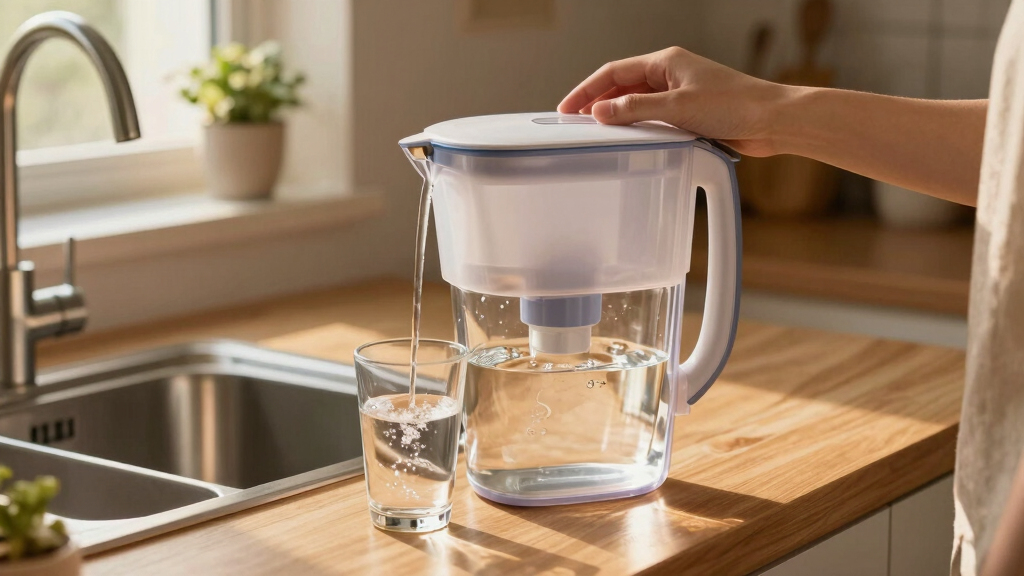

Finding the best countertop water filter for low waste kitchens requires balancing filtration performance with sustainability. The LCF Alkaline Countertop Water Filter stands out as the overall top choice, thanks to its multi-stage filtration and long-lasting filters. For those prioritizing portability, the Bluevua RO100ROPOT-Lite offers a compact, installation-free solution with remineralization. Meanwhile, the Waterdrop CTF-01 provides a reliable, NSF-certified system with minimal waste. These options reveal tradeoffs like filtration complexity versus ease of maintenance, so continue reading for a full breakdown to find your best fit.
Key Takeaways
- Filtration capacity and longevity vary significantly, impacting long-term waste and cost.
- Reverse osmosis (RO) systems offer thorough filtration but tend to produce more waste and may require more maintenance.
- Systems with remineralization features help maintain taste and mineral balance, ideal for low waste goals.
- Ease of installation and portability are key factors influencing waste reduction and user convenience.
- Certifications like NSF/ANSI ensure the safety and reliability of filtration performance.



More Details on Our Top Picks
LCF Alkaline Countertop Water Filter, 𝐒𝐢𝐥𝐯𝐞𝐫 𝐈𝐨𝐧𝐬 Enhanced 6-Stage Stainless Steel Water Filter for Sink Faucet, Reduces Heavy Metals, Bad Taste & 99% Chlorine, 16,000 Gallons(2 Filters)
This pick stands out for its durable stainless steel construction and advanced 6-stage filtration that effectively reduces heavy metals, chlorine, and unpleasant tastes. Compared to the Bluevua RO100ROPOT-Lite, which lacks TDS reduction, the LCF system maintains mineral content, making it ideal for those who want cleaner water without losing beneficial minerals. Its long service life—up to 16,000 gallons—means fewer replacements, reducing waste over time. While the included adapters simplify installation, it’s worth noting that the system is bulkier and requires space on the countertop. The premium stainless steel minimizes plastic waste and enhances durability, making it a sustainable choice for eco-conscious households. The only tradeoff is the upfront cost and slightly more elaborate setup, but these contribute to lower waste and maintenance over years.
Pros:- Exceptional stainless steel durability and resistance to corrosion
- High capacity: up to 16,000 gallons, reducing replacement frequency
- Effective multi-stage filtration that preserves essential minerals
Cons:- Bulkier design may take up significant counter space
- Higher initial investment compared to plastic models
Best for: Households seeking a durable, long-lasting filtration system with minimal waste and consistent mineral retention.
Not ideal for: Small kitchens with limited counter space or renters who prefer portable, lightweight options.
- Material Type:304 Food-grade Stainless Steel
- Filter Life Cycle:12 Months / 16,000 Gallons
- Flow Rate:up to 1.6 gallons per minute
- Standards:NSF/ANSI 372 & 42
- Installation:Countertop, no drilling required
- Capacity:16,000 gallons
- Dimensions:4″L x 4″W x 10″H
Bottom line: Ideal for those who prioritize sustainability, durability, and long-term water quality in a low waste kitchen.
Bluevua RO100ROPOT-Lite Countertop Reverse Osmosis Water Filter System, 3:1 Pure to Drain Ratio, Portable RO Filtration with Remineralization, No Installation, WQA Certified, 7-Stage UV Blue
This model makes a strong case for portability and ease of use, requiring no installation and featuring a sleek countertop design. Unlike the LCF system, which needs space and a dedicated setup, the Bluevua is perfect for renters or those who want a quick, mess-free upgrade. Its 7-stage filtration, including UV sterilization and remineralization, ensures high water purity and a balanced taste—comparable to systems with longer service lives but with the convenience of no permanent fixture. The 3:1 pure-to-drain ratio significantly reduces water waste, making it a low waste choice for smaller households or occasional use. However, the filter lifespan of about 6 months means more frequent replacements than stainless steel systems, which could generate more waste over time. Still, its portable nature makes it ideal for low waste kitchens with limited space.
Pros:- No installation required, with simple countertop placement
- Significantly reduces water waste with a 3:1 pure to drain ratio
- Includes UV sterilization and remineralization for high purity and taste
Cons:- Filter lifespan is shorter, requiring more frequent replacements
- Limited capacity for continuous, heavy use
Best for: Renters or small households who want quick, low-waste filtration without permanent installation.
Not ideal for: Large families needing high capacity or those wanting mineral retention, as it reduces TDS and may strip beneficial minerals.
- Filtration Stages:7-stage
- Pure to Drain Ratio:3:1
- Filter Life:6 months
- Certification:WQA Certified
- Dimensions:18″L x 8″W x 17″H
- Flow Rate:0.29 gallons per minute
Bottom line: Best suited for those seeking a portable, low-waste RO system with quick setup and high purity for small households.
Waterdrop CTF-01 Water Filter for Sink Faucet, NSF/ANSI 42 Certified Countertop Water Filter System, 5-Stage Stainless Steel Faucet, Reduces Heavy Metals and 99% Chlorine, 8000 Gallons, 1 Filter
The Waterdrop CTF-01 excels in its affordability and straightforward installation, attaching directly to standard faucets with minimal effort. Unlike the stainless steel LCF system, which offers a longer lifespan, this model is best for users who want a quick, budget-friendly upgrade. Its 5-stage filtration effectively reduces chlorine, heavy metals, and sediment, but it does not lower TDS, so beneficial minerals may remain. Its capacity of 8,000 gallons makes it suitable for small to medium households, but the shorter lifespan means more frequent filter changes, potentially creating more waste. The stainless steel faucet and BPA-free materials align with low waste principles, yet the plastic components in the filter might be less durable long-term. Still, it provides good value for those prioritizing low waste, easy use, and affordability.
Pros:- Affordable price with straightforward faucet attachment
- NSF/ANSI 42 certified for chlorine reduction
- Compact design with BPA-free materials
Cons:- Limited to 8,000 gallons, requiring more frequent filter replacements
- Does not reduce TDS, so beneficial minerals remain
Best for: Budget-conscious households seeking easy, compatible faucet filtration with minimal waste and quick setup.
Not ideal for: Households wanting mineral retention or high capacity for long-term, heavy use, as it lacks TDS reduction and has a shorter lifespan.
- Filtration Stages:5-stage
- Capacity:8,000 gallons
- Material:BPA-Free Plastic
- Standards:NSF/ANSI 42
- Flow Rate:up to 1.6 gallons per minute
- Dimensions:Approx. 9.7″L x 9.5″W x 14.1″H
Bottom line: Best for budget-friendly, easy-to-install faucet filters in low waste kitchens with moderate water needs.
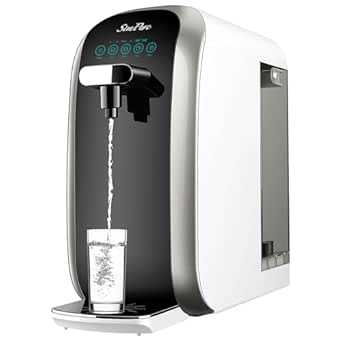
SimPure Y7P-BW UV Countertop Reverse Osmosis Water Filter, NSF/ANSI 58 Certified, 5 Stage RO Water Filtration System, Water Purifier for Home, No Installation, 4: 1 Pure to Drain, Classic Pure Taste
The SimPure Y7P-BW offers a comprehensive 5-stage reverse osmosis process, including UV sterilization, capable of removing over 99.99% of contaminants like PFAS and heavy metals. Unlike plastic-based systems, its sleek countertop design and no-installation setup make it perfect for renters or those who prioritize convenience. Its 4:1 pure-to-drain ratio significantly reduces water waste compared to traditional RO systems, aligning with low waste goals. The system’s monitor and quick-change filters provide easy maintenance, and the remineralization feature enhances water taste and health benefits. However, its filter lifespan is about 6 months, requiring more frequent replacements, which could generate waste if not recycled properly. Overall, it balances high water quality with low waste in a portable, user-friendly package.
Pros:- NSF/ANSI 58 certified for high contaminant removal
- No installation needed, portable and space-efficient
- Includes UV sterilization and remineralization for taste and health
Cons:- Filter lifespan is about 6 months, leading to more frequent waste
- Removes beneficial minerals, which may require supplementation
Best for: Urban dwellers or renters seeking high-grade RO purification without permanent installation, with an emphasis on low waste and convenience.
Not ideal for: Large households with high water demands or those wanting TDS retention, as it filters out nearly all minerals and has a shorter filter life.
- Filtration Stages:5-stage
- Pure to Drain Ratio:4:1
- Certification:NSF/ANSI 58
- Remineralization:Yes
- Flow Rate:0.29 gallons per minute
- Dimensions:16.1″H x 8″W x 17″D
Bottom line: Ideal for those prioritizing high purification standards combined with a low waste, no-installation approach in small or temporary living spaces.
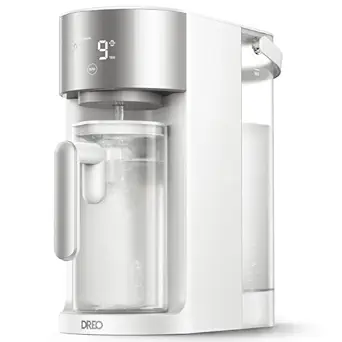
DREO Reverse Osmosis Water Filter Countertop, RO Filtration System, 3:1 Pure to Drain, TDS & Filter Life & Autofill Pitcher, Installation-Free, Self-Cleaning Water Purifier, RO Water Filter
This model stands out for its high-efficiency 3:1 pure-to-drain ratio, significantly reducing water waste compared to traditional RO systems like the Bluevua ROPOT-UV, which typically have a 2:1 ratio. Its real-time TDS monitoring and self-cleaning features offer hassle-free maintenance, making it ideal for those who want reliable, low-waste filtration without plumbing. Compared to systems with less sophisticated monitoring, this pick minimizes unnecessary filter changes and water waste, a key advantage in eco-conscious kitchens. The slim footprint and plug-and-play design suit small spaces and renters, but the self-cleaning mechanism means slightly more complex internal components and potential maintenance. The filter life of 6 to 12 months balances cost and convenience, though replacement filters are an added expense. Overall, this system is best for low waste kitchens prioritizing purity, ease, and sustainability.
Pros:- Exceptional 3:1 pure-to-drain ratio reduces water waste
- Real-time TDS and filter life monitoring simplify maintenance
- Self-cleaning system ensures consistent water quality
Cons:- Relatively short filter lifespan increases replacement frequency
- Self-cleaning mechanism adds complexity, potentially leading to repairs
Best for: Homeowners or renters seeking a compact, installation-free RO system that minimizes water waste and maintenance effort
Not ideal for: Kitchens with very high daily water usage or those requiring higher capacity filters, as the 3L tank may be limiting
- Dimensions:14.5″ L x 6.7″ W x 13.4″ H
- Capacity:3 Liters
- Weight:9.5 Pounds
- Filtration Method:Reverse Osmosis
- Filter Life:6-12 months
- Water Waste Ratio:3:1
Bottom line: This system is perfect for eco-conscious kitchens that want high-quality, low-waste RO filtration with minimal installation.
Bluevua RO100ROPOT Countertop Reverse Osmosis Water Filter System, Portable RO Filtration with Remineralization, No Installation, WQA Certified – ROPOT-UV, 6-Stage RO
The Bluevua ROPOT-UV excels with its comprehensive 6-stage filtration, including UV sterilization and remineralization, offering water quality comparable to bottled water, unlike simpler systems like the Waterdrop CTF-01. Its portable design requires no installation, making it ideal for renters or those who want flexibility. The built-in filter life monitor and energy-saving standby mode add convenience and sustainability, reducing both waste and power consumption. Its 2:1 pure-to-drain ratio is impressive for a portable RO system, helping conserve water in low waste kitchens. However, the larger 23.2-pound frame and 14.3-inch height make it less suitable for very small or cluttered spaces. The high borosilicate glass carafe minimizes secondary pollution, but the price and maintenance cost can be higher than basic models. Overall, this makes the most sense for users seeking a versatile, eco-friendly RO solution with remineralization.
Pros:- Six-stage filtration with UV sterilization and remineralization
- No installation needed, portable and easy to use anywhere
- Energy-efficient standby mode and 2:1 water ratio reduce waste
Cons:- Heavier and larger than typical countertop units, less ideal for small kitchens
- Higher price point and filter replacement costs
Best for: Renters or small households wanting a portable, high-quality RO system with mineral enrichment and low waste output
Not ideal for: Kitchens with limited space or those needing higher capacity filters for frequent use, due to its size and weight
- Dimensions:10.9″ L x 15.4″ W x 14.3″ H
- Capacity:1700 mL
- Weight:23.2 Pounds
- Filtration Stages:6 including UV and remineralization
- Water Waste Ratio:2:1
- Filter Life:12-24 months
Bottom line: This portable RO system is ideal for low waste, eco-conscious households seeking high purity and mineral balance without permanent installation.

How We Picked
Products were evaluated based on filtration effectiveness, waste generation, ease of use, durability, and maintenance requirements. Priority was given to systems that minimize waste, such as those with long-lasting filters or that incorporate remineralization to reduce the need for additional bottled water. We also considered ease of installation, especially for low waste kitchens where less setup and fewer disposable parts matter. Ranking reflects a balance between high filtration quality and sustainability, ensuring each product offers a practical solution for eco-conscious users.Factors to Consider When Choosing Best Countertop Water Filter For Low Waste Kitchens
When choosing a countertop water filter for a low waste kitchen, several factors come into play. The right system should deliver clean water efficiently while producing minimal waste or requiring infrequent filter changes. Understanding key considerations can help you avoid common pitfalls like overpaying for features you don’t need or selecting systems that generate excess waste. Here are some factors to keep in mind:Filtration Technology and Waste Production
Different filtration methods impact waste differently. Reverse osmosis systems typically produce more wastewater, which can be counterproductive for low waste goals unless paired with waste-reduction features. Activated carbon systems tend to be more efficient with less waste but might require more frequent filter changes. Consider systems with long-lasting filters or those that include waste-reduction features like permeate pumps to keep waste minimal while maintaining high water quality.
Ease of Maintenance and Filter Lifespan
Filters with longer lifespans reduce waste and inconvenience. Look for units that specify filter replacement intervals of 6 months or more, which cut down on disposal frequency. Additionally, systems with simple, tool-free filter replacements make ongoing maintenance easier and less wasteful. Avoid overly complex setups that might lead to unnecessary waste or user frustration.
Certifications and Safety
Choosing certified systems, such as those with NSF/ANSI standards, ensures the water is filtered safely and reliably. Certifications also indicate that the system has undergone rigorous testing, reducing the risk of contaminants or poor performance that could lead to unnecessary re-filtration or waste. Prioritizing certified units helps align with low waste goals by ensuring efficiency and safety in filtration.
Size, Portability, and Installation
For low waste kitchens, compact and portable models often produce less waste during installation and operation. These units are easy to move and set up without invasive modifications, reducing waste from packaging or installation materials. However, ensure portability doesn’t compromise filtration capacity or longevity, especially if your water quality needs are high.
Cost and Value Over Time
While some systems may have a higher upfront cost, they often save money and waste over time through longer-lasting filters and lower disposal frequency. Consider total cost of ownership, including filter replacements, maintenance, and energy use. A more expensive but durable system might be the better low waste choice if it reduces the need for frequent replacements or additional bottled water.
Frequently Asked Questions
Will a countertop water filter significantly reduce waste compared to bottled water?
Yes, a good countertop water filter can dramatically cut down on single-use plastic bottles by providing a sustainable, reusable alternative. While some systems like reverse osmosis produce waste water during filtration, models with waste-reduction features or longer-lasting filters minimize this impact. Overall, choosing a system designed for efficiency ensures you reduce waste without sacrificing water quality.
Are reverse osmosis systems suitable for low waste kitchens?
Reverse osmosis (RO) systems often generate more wastewater than other filter types, which might seem counterproductive for low waste kitchens. However, some newer RO models incorporate waste-reduction features or reuse wastewater, making them more suitable. If waste minimization is a priority, consider RO units with permeate pumps or opt for alternative filtration methods that produce less waste overall.
How often do I need to replace filters in these systems?
Most countertop filters require filter replacements every 6 to 12 months, depending on usage and water quality. Longer replacement intervals reduce waste and ongoing costs, making them ideal for low waste kitchens. Always check the manufacturer’s recommendations and consider models with longer-lasting filters to cut down on disposal frequency.
Can I install these filters myself without creating waste?
Many countertop filters are designed for easy, tool-free installation, which minimizes waste from packaging and installation materials. Portable models especially reduce waste by eliminating the need for permanent fixtures or plumbing modifications. Ensure you follow the setup instructions carefully to avoid unnecessary waste or damage during installation.
Are certified filters more environmentally friendly?
Certified filters, such as those with NSF/ANSI standards, guarantee safety and performance, which can reduce waste from ineffective filtration or the need for re-filtration. Certification often indicates that the system is designed with efficiency in mind, helping you meet low waste goals without compromising water quality. Investing in certified systems ensures your choices align with sustainability principles.
Conclusion
For those seeking the overall best, the LCF Alkaline Countertop Water Filter offers a balanced mix of filtration power and long-term sustainability. If value is your priority, the Waterdrop CTF-01 provides reliable performance at a lower cost, with fewer wasteful components. Beginners or renters should consider portable, easy-to-install models like the Bluevua RO100ROPOT-Lite, which require no permanent setup. For users with specific needs, such as high mineral retention or compact size, select a system that matches those priorities. Ultimately, your choice depends on balancing filtration quality, ease of use, and waste reduction in your low waste kitchen.