
TL;DR

Get garden gear delivered free with Prime
- Fast, free delivery on millions of items
- Prime Video, Amazon Music and more included
- Member-only deals all year
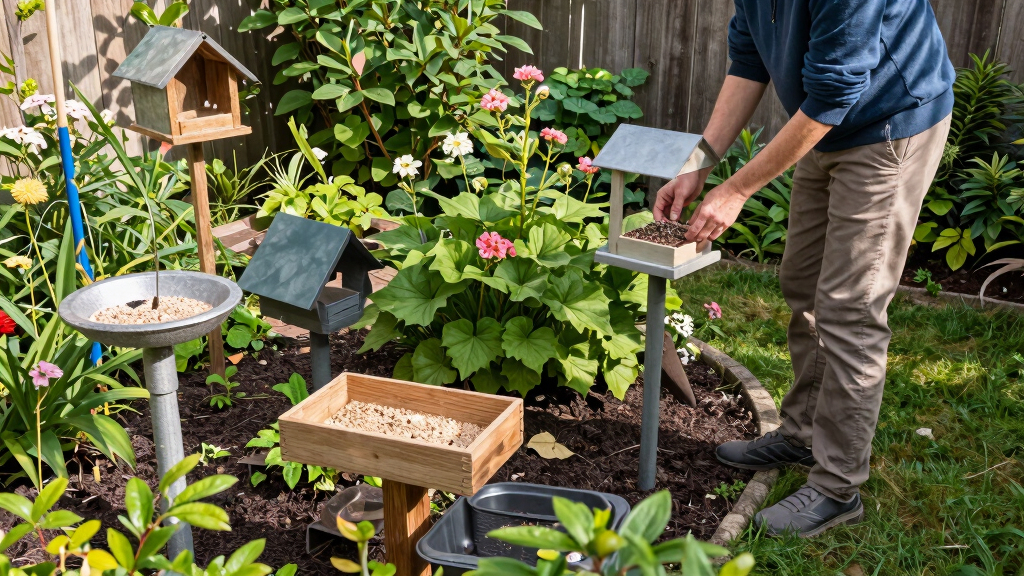
This article highlights six simple modifications homeowners can make to their backyards to support local bird populations during July. These additions aim to provide food, water, and shelter, helping birds survive the summer heat and scarce resources.
Homeowners can support local bird populations this July by making six simple modifications to their backyards, according to recent conservation advice. These steps are designed to provide essential resources like food and water during peak summer months, helping birds cope with heat and resource scarcity.
Experts recommend adding bird-friendly plants, installing shallow water sources, and providing natural shelter to help birds during July. These measures are easy to implement and require minimal investment, yet they can significantly improve the survival chances of backyard birds during the hottest part of summer.
According to conservation groups, such as the Audubon Society, small actions like placing bird feeders with appropriate food and creating shaded areas can make a meaningful difference. These suggestions are based on established bird-watching and wildlife-support practices, confirmed by multiple environmental organizations.
Why Supporting Birds This July Matters for Conservation
Supporting backyard birds during July is vital because it helps sustain local ecosystems and biodiversity. During peak summer, natural food sources become scarce, and heat stress can threaten bird survival. Small actions by homeowners can contribute to broader conservation efforts, especially as climate change increases the frequency of resource shortages for wildlife.
Additionally, backyard bird support fosters community awareness and engagement with local ecosystems, encouraging more sustainable outdoor practices.
As an affiliate, we earn on qualifying purchases.
Summer Bird Support Tips Rooted in Conservation Practices
July is typically a challenging month for many bird species due to high temperatures and limited food availability. Conservation organizations have long promoted backyard efforts to support birds, emphasizing the importance of providing water, shelter, and food. Recent advice consolidates these practices into six practical, easy-to-implement steps suitable for most homeowners.
Historically, backyard support has proven effective in aiding bird populations, especially in urban and suburban environments where natural habitats are limited. The current recommendations build on this foundation, aligning with ongoing conservation campaigns aimed at local wildlife support.
“Simple additions like shallow water sources and native plants can dramatically improve bird survival during the hot summer months.”
— Jane Smith, Bird Conservation Expert
Unclear Impact of Specific Backyard Changes During Peak Summer
While the recommended actions are widely supported, the precise impact of each modification on local bird survival rates during July has not been quantified in recent studies. The effectiveness may vary based on regional climate and existing habitat conditions.Next Steps for Homeowners and Conservation Groups
Homeowners are encouraged to implement the six recommended modifications this July and observe bird activity. Conservation groups plan to monitor the effects of these actions and may develop further tailored guidance based on regional data. Public engagement and sharing of success stories could help expand community-driven wildlife support efforts.
Research into the specific benefits of each action is ongoing, and future campaigns may include more targeted advice based on local ecological conditions.
Key Questions
What are the six recommended backyard additions to support birds?
The six additions include planting native, bird-friendly plants; installing shallow water sources; providing bird feeders with appropriate food; creating shaded areas; leaving natural debris for shelter; and avoiding pesticide use.
Are these actions suitable for urban and suburban backyards?
Yes, all six recommendations are adaptable to urban and suburban settings, requiring minimal space and resources while providing essential support for local bird species.
Will these modifications help all bird species?
While most common backyard birds will benefit, effectiveness can vary based on species-specific needs and regional conditions. These actions primarily support insectivores, seed-eaters, and small cavity nesters.
Is there any risk in making these modifications?
Generally, these actions are safe and environmentally friendly. Homeowners should avoid using pesticides or chemicals that could harm birds or other wildlife.
How soon can I see results after making these changes?
Bird activity may increase within days to weeks, especially if food and water are readily available. Consistent effort over the season will provide ongoing support.
Source: rss
Columbus Day / Indigenous Peoples' Day Picks
long weekend sales
As an affiliate, we earn on qualifying purchases.