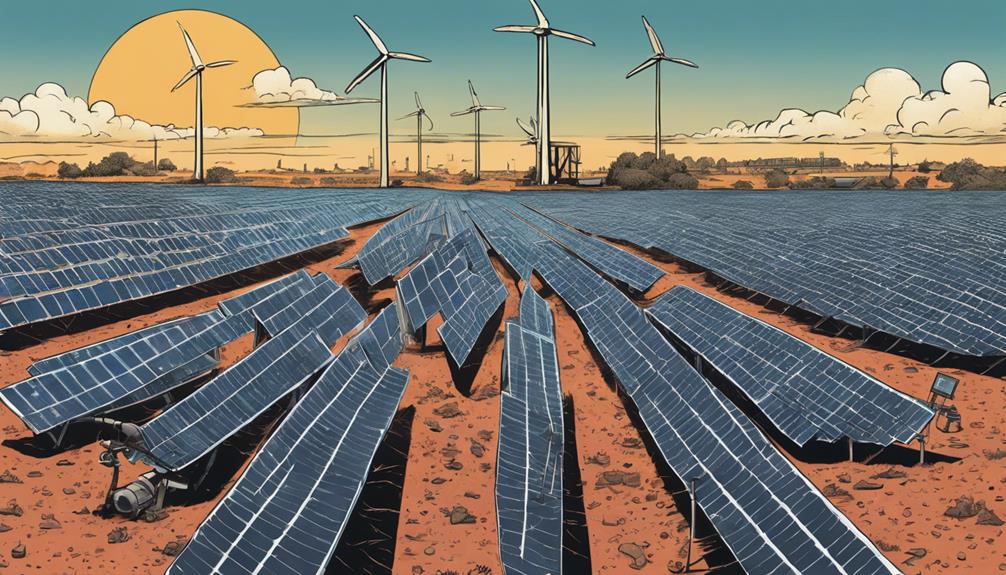

Climate change is altering the way solar energy is generated in various locations. As someone interested in renewable energy, I've noticed that extreme weather events, rising temperatures, and increased cloud cover are all taking a toll on the efficiency of solar panels. It's clear that these changes are impacting the amount of sunlight that reaches the Earth's surface, ultimately affecting the performance of solar energy systems. As I explore this topic further, I'm discovering the complex ways climate change is reshaping the solar energy landscape – and what that means for our sustainable future.
Key Takeaways
- Climate change increases cloud cover, reducing solar radiation and impacting solar energy production in various locations.
- Extreme weather events like hurricanes and heatwaves caused by climate change disrupt sunlight, affecting solar energy output.
- Rising temperatures alter atmospheric conditions, influencing cloud cover and aerosol concentrations, which in turn impact solar radiation.
- Climate change shifts the distribution of sunlight, altering the amount of solar energy available in different regions and latitudes.
- Understanding the impacts of climate change on solar energy is crucial for optimizing system design and energy storage in changing environmental conditions.

Tinduo Solar Panel Cleaning Kit with 5-20ft Telescoping Pole, Water Fed Pole Window Cleaning System with Soap-Dispenser, Brush, 11″Squeegee & Cobweb Duster for Snow Removal, Windows, RVs, Decks
- Telescoping Pole Length: Extends from 5 to 20 feet
- Adjustable Brush Head: Swivels 180° for versatile cleaning
- Solar Panel Cleaning Brush: Removes dirt and buildup effectively
As an affiliate, we earn on qualifying purchases.
As an affiliate, we earn on qualifying purchases.
Weather Patterns and Solar Energy
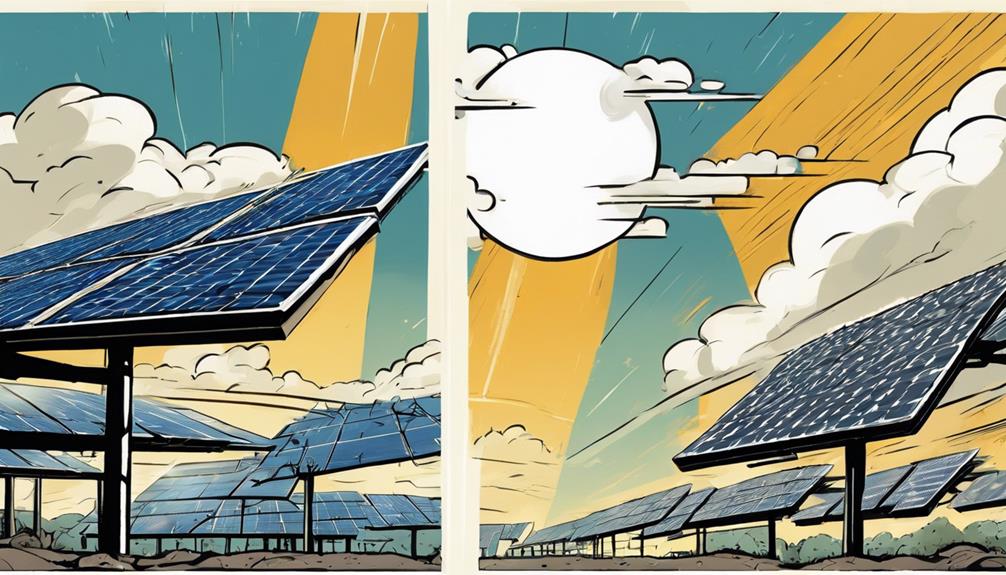
As I explore the world of solar energy, I'm struck by how weather patterns, including cloud cover, atmospheric conditions, and temperature, greatly impact the amount of solar energy available in a given location.
It's astonishing to think that something as seemingly insignificant as cloud cover can reduce solar radiation reaching the Earth's surface, decreasing solar energy generation. Atmospheric moisture content, air temperature, and wind patterns all influence cloud cover, which in turn affects the efficiency of solar energy systems.
Additionally, air pollution scatters and absorbs solar radiation, further reducing the energy available for conversion. Understanding these factors is vital for optimizing solar energy systems and predicting energy generation levels.
Geographical Factors in Solar Production
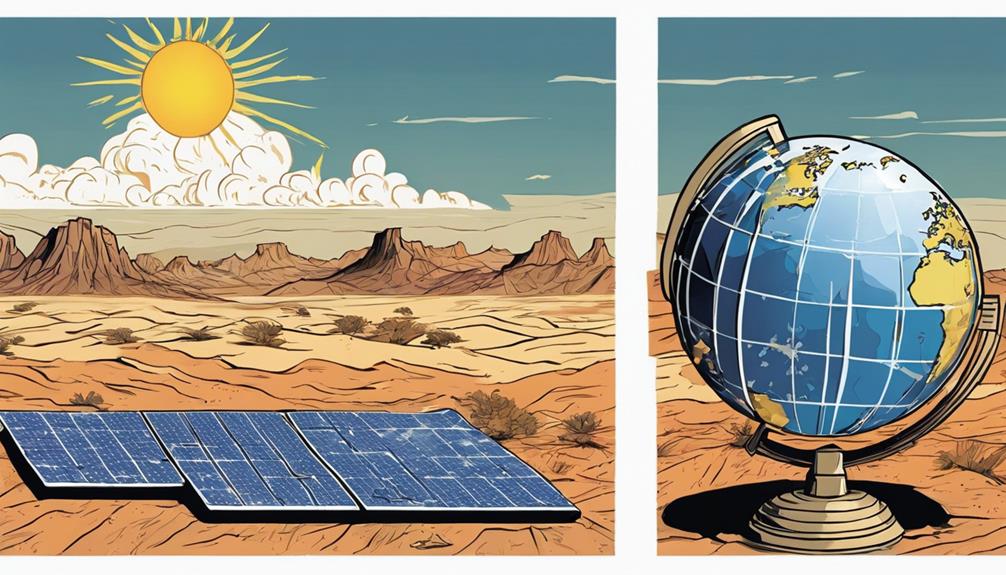
Now that I've explored how weather patterns impact solar energy, I'm examining how geographical location, including latitude and altitude, determines the amount of direct sunlight received for solar energy production. As I delve into this topic, I realize that latitude plays a significant role in solar energy generation.
Locations closer to the equator receive more direct sunlight throughout the year, making them ideal for solar energy production. Altitude also affects solar energy production, with higher elevations receiving more intense sunlight due to thinner atmospheric conditions.
Additionally, the orientation of solar panels and surface area are pivotal factors in maximizing energy output. By considering these geographical factors, we can optimize solar energy systems for efficient energy production.
System Efficiency and Performance

Maximizing system efficiency and performance relies heavily on proper installation, maintenance, and operation of solar panels. This involves careful consideration of surface area, orientation, and avoiding obstructions and shading.
As I explore the world of solar energy, I've come to realize that even slight deviations from ideal conditions can significantly impact energy output. It's vital to ensure that solar panels are installed at the right angle and direction to maximize energy absorption.
Additionally, regularly cleaning the panels and trimming surrounding foliage can make a huge difference in energy production. By paying attention to these details, I can optimize the potential of my solar energy system and minimize losses.
Climate Change Impacts on Energy
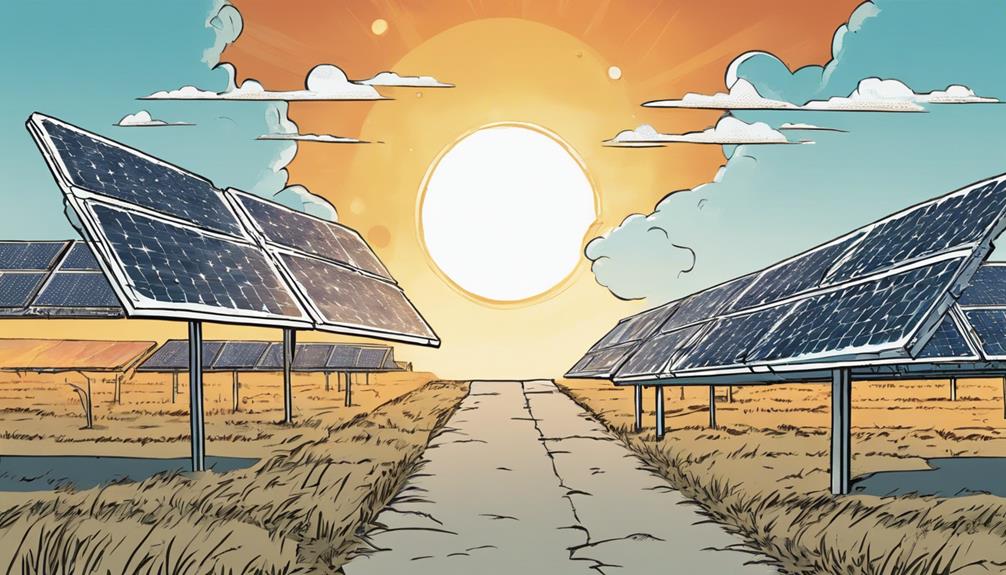
I've come to realize that the efficiency of my solar energy system is only half the battle, as climate change is altering the very foundation of solar energy production itself.
Extreme weather events, like hurricanes and heatwaves, are becoming more frequent, disrupting consistent sunlight – a critical factor for ideal performance.
Climate change is also increasing cloud cover, reducing the amount of solar radiation that reaches the Earth's surface. This means that even with an efficient system, the amount of energy generated is decreasing.
It's vital to understand the implications of climate change on solar energy production to predict and adapt to these changes. By acknowledging these impacts, I can better prepare for a sustainable energy future.
Importance of Energy Storage Systems
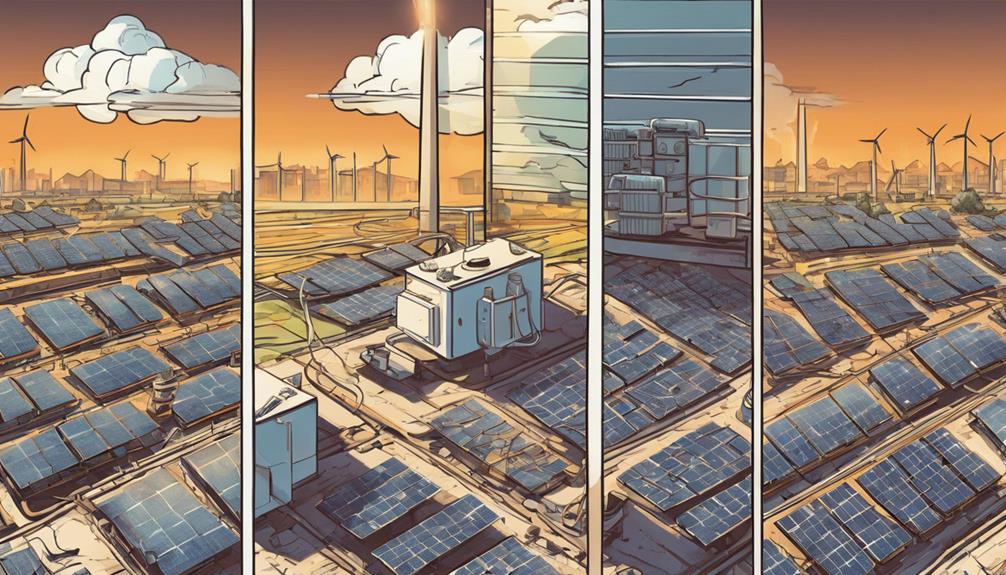
As climate change disrupts the consistency of sunlight, efficient energy storage systems become essential for bridging the gap between solar energy generation and consumption.
I've come to realize that storing excess energy generated during the day is critical for guaranteeing a reliable supply during nighttime or cloudy days. Without efficient storage, the variability of solar energy can be a major obstacle. That's why I believe investing in advanced battery technologies and other innovative storage solutions is necessary.
Government Incentives for Renewables
In addition to advanced energy storage systems, government incentives play a crucial role in promoting the adoption of solar energy and other renewables.
As I explore the world of solar energy, I've come to realize that incentives are a vital component in driving the shift to renewable energy sources.
Governments worldwide offer various incentives, such as tax credits, grants, and subsidies, to encourage investments in solar energy systems.
These incentives help reduce the financial burden of switching to renewables, making it more accessible to individuals and businesses.
Extreme Weather Events and Energy
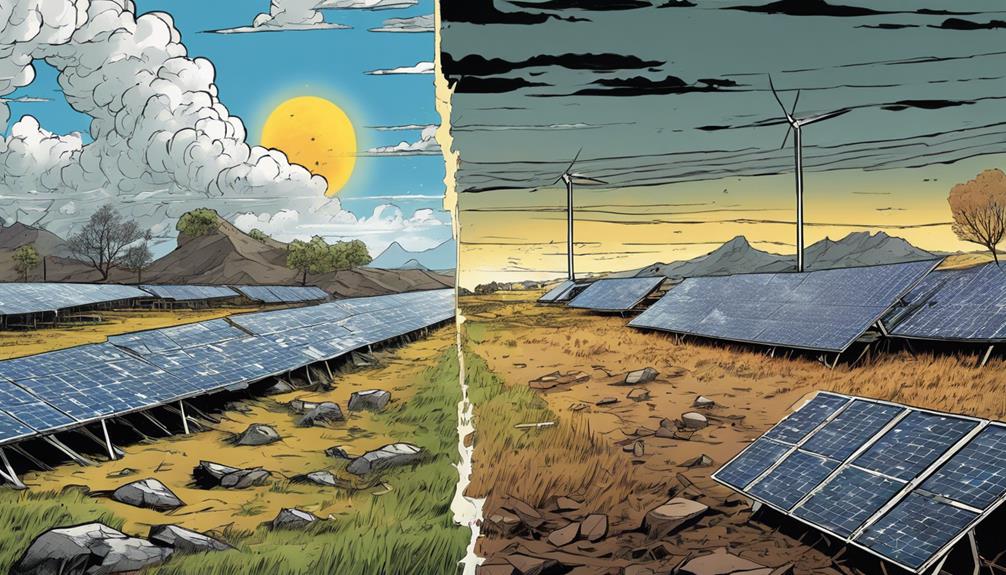
Climate change is escalating extreme weather events, which in turn disrupt consistent sunlight and impact solar energy production to a large extent.
As I explore the effects of these events, I realize that hurricanes, heatwaves, and droughts are becoming more frequent and intense. This variability directly affects the amount of solar energy that can be generated.
For instance, hurricanes bring heavy cloud cover, reducing solar radiation and subsequently, energy output. Heatwaves, on the other hand, increase temperature, which can decrease the efficiency of solar panels. Droughts, although seemingly unrelated, can lead to increased air pollution, further reducing energy availability.
Understanding these extreme weather events is vital for predicting and adapting to the impacts of climate change on solar energy production.
Frequently Asked Questions
How Does Air Pollution Impact Cloud Cover in Urban Areas?
I've learned that air pollution in urban areas scatters and absorbs solar radiation, increasing atmospheric moisture content and altering wind patterns, which in turn enhances cloud cover, reducing solar energy generation.
Can Trees or Foliage Near Solar Panels Affect Energy Output?
'I've discovered that plant preferences can indeed thwart solar panel performance. Trees or vegetation near panels can cast shadows, diminishing energy output, so maintaining a clear canopy is vital to capture consistent sunlight.'
What Is the Ideal Roof Pitch for Solar Panel Installation?
When installing solar panels, I consider a roof pitch between 30-40 degrees ideal, as it allows for peak energy output, easy snow shedding, and reduced debris accumulation, ensuring maximum solar energy production.
How Do Seasonal Changes Affect Daily Solar Energy Production?
'I imagine a sun-kissed winter morning, only to realize that seasonal changes greatly impact daily solar energy production. As the Earth tilts, sunlight angles vary, affecting the amount of energy my solar panels can harness.'
Are There Solar Panels Designed Specifically for High-Altitude Locations?
Yes, I've found that solar panels designed for high-altitude locations are built to withstand harsher weather conditions, with features like reinforced frames and specialized coatings to maximize energy output in low-air-pressure environments.
How Does Climate Change Impact Solar Energy Availability in Different Geographic Locations?
The impact of climate change on solar energy distribution variations varies in different geographic locations. Rising temperatures can affect the efficiency of solar panels in some areas, while others may experience increased sunlight and enhanced solar energy production. Adapting to these variations is crucial for maximizing the potential of solar energy.
Conclusion
As I reflect on the intricate dance between climate change and solar energy production, I'm reminded that harnessing the full potential of this renewable resource is like trying to catch a moonbeam. It requires precision, adaptability, and a deep understanding of the complex interplay between weather patterns, geographical location, and technological advancements.
By acknowledging the challenges and opportunities that lie ahead, we can illuminate the path towards a sustainable energy future.