TL;DR
Most workers, males and old queens in social wasp colonies die when cold weather arrives. Mated young queens survive alone in sheltered places such as leaf litter, woodpiles, sheds and wall gaps, then may start new colonies in spring.
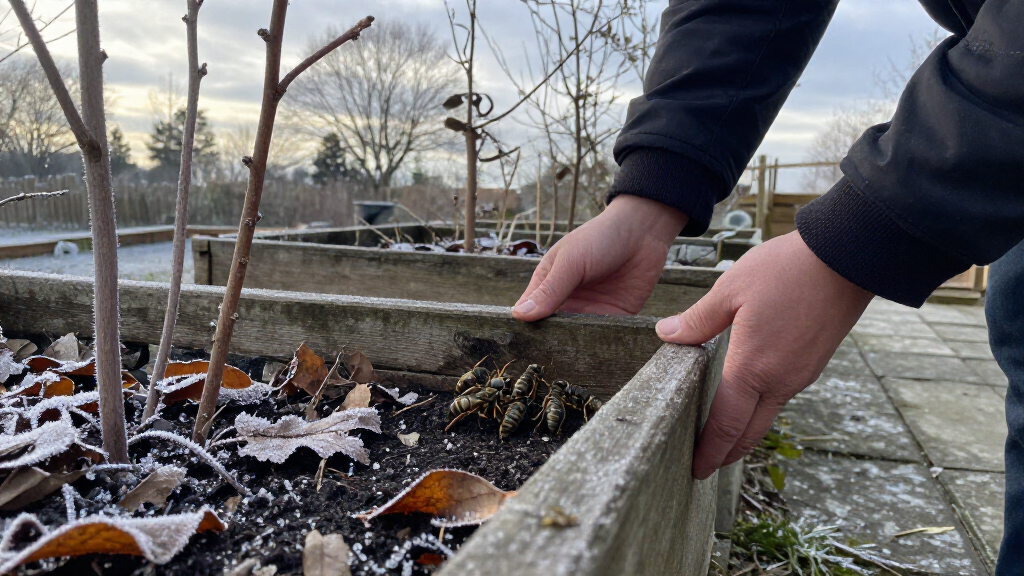
Most social wasps do not survive winter, but young queens that mated in fall can shelter alone and start colonies in spring, according to a Gardening Know How report. The queens may spend the cold months in leaf litter, woodpiles, loose bark, sheds or building gaps, including places around homes and yards.

Get garden gear delivered free with Prime
- Fast, free delivery on millions of items
- Prime Video, Amazon Music and more included
- Member-only deals all year
Yellowjackets, paper wasps and hornets generally form colonies that last one season. In spring, a queen starts a nest and raises the first workers. The colony grows over summer; by late summer, it produces males and new queens. The young queens mate in fall and leave the nest, while the old queen, workers and males die as hard freezes set in. The original nest is left empty and is not reused, the report says.
Queens that survive winter do so individually, or in some cases in clusters, in sheltered spots. The report lists fallen leaves and garden debris, firewood, logs and loose tree bark as possible hiding places. Other sites include gaps in sheds and outbuildings, wall voids and attics, soil cavities, and compost piles. Not every queen survives until spring, and the report does not give a survival rate.
A queen found in a woodpile may be sluggish in the cold, but carrying the wood indoors can warm and rouse her. Gardening Know How advises checking pieces before bringing them inside and taking only the firewood needed that day. If a queen is found beneath loose bark, the report recommends replacing the bark rather than disturbing her. For winter compost turning, it advises moving slowly and wearing gloves.
Where Queens May Shelter Near Homes
The seasonal cycle helps explain why wasps can seem to vanish after frost and still return the following year. A surviving queen can start a new colony; that does not mean every sheltered queen will make it through winter or establish a nest. Knowing likely shelter sites can help people avoid accidentally bringing a dormant wasp indoors and spot new nests while they are small.
The report also cautions against clearing every leaf-covered corner just to remove possible queens. Wasps can be useful predators: yellowjackets and paper wasps hunt caterpillars and other soft-bodied insects to feed their young. Adults also visit flowers for nectar and may move some pollen. A sheltered queen at the back of a yard is unlikely to pose the same immediate concern as wasps nesting beside a doorway or play area.
For homeowners, the practical distinction is between a dormant individual in a sheltered location and a live colony near people. The report says a new spring nest may be about golf-ball size, when only the queen is tending it. It presents early observation as easier than dealing with a mature summer colony, but does not provide a general treatment protocol for nests.
Popular right now

Samsung 65-Inch Q8F QLED 4K UHD Smart TV (2025)

Dyson V15 Detect Cordless Stick Vacuum

Sony BRAVIA XR8B 65-Inch OLED 4K HDR Smart Google TV (K-65XR8B)
As an affiliate, we earn on qualifying purchases.
How One Colony Ends Each Year
In the report’s account of common social wasps, the colony’s annual cycle begins when a queen builds a small nest in spring and raises its first workers herself. Workers take over much of the colony’s activity as it expands through summer. By late summer, the colony shifts to producing males and new queens. After mating, the young queens leave to find winter shelter.
The old nest is abandoned when the colony dies; the next season’s colony begins elsewhere. That cycle is why an empty papery nest does not indicate that its former occupants will return to it. The report focuses on yellowjackets, paper wasps and hornets, and describes general patterns rather than identifying species-specific differences across all regions.
“The mated queens are the only ones that make it into winter.”
— Gardening Know How
Which Queens Will Survive
The report names potential shelter sites but does not establish how often queens use each one, how many survive a given winter, or how conditions vary by region and species. A wasp seen indoors in winter may be a queen that has emerged from a wall or other sheltered space, but the report does not claim that every winter sighting has that explanation.
It also does not offer a universal recommendation for handling a large nest, a ground nest or a nest inside a wall. The supplied report text ends before completing its guidance on those situations. Homeowners should not treat its general seasonal advice as confirmation that a particular nest is inactive or safe to approach.
Check for Nests as Spring Warms
As temperatures rise, the report advises periodically checking eaves and porch ceilings for new nests. It recommends sealing exterior cracks and gaps in late summer, before queens seek winter shelter, and checking that window screens fit tightly. For gaps around doors, it points to weatherstripping; for open vents, it mentions covering them with stainless-steel mesh.
The timing matters: the report says not to plug an opening while a nest is active, because wasps may chew through toward the inside. It suggests sealing exterior cracks after the colony has died off. Whether a specific nest is active, and how to deal with a large or inaccessible nest, cannot be determined from the general guidance alone.
Key Questions
Do all wasps die in winter?
Most members of common social wasp colonies die after hard freezes, according to Gardening Know How. Young queens that mated in fall may survive alone in sheltered places, though many do not make it to spring.
Where might a wasp queen spend the winter?
Possible sites include leaf litter, woodpiles, loose bark, sheds, wall gaps, soil cavities and compost piles. These are examples from the report, not a guarantee that a queen is present in any particular spot.
Will wasps return to the same nest next year?
The report says the old colony’s nest is abandoned and is not reused. A queen that survives may start a new colony in spring, but not necessarily in the same place.
Should I remove a queen I find in the yard?
The report says there is usually no need to remove a sheltered queen in an out-of-the-way spot, noting that wasps prey on garden insects. It recommends leaving bark in place if a queen is beneath it and taking care when handling firewood or turning compost.
When should I look for new nests?
As spring warms up, periodically check eaves and porch ceilings, where a new nest may be small. The report advises sealing gaps in late summer, before queens seek winter shelter, and warns against blocking an opening while a colony is active.
Source: gardeningknowhow.com