
TL;DR
Homes & Gardens has published guidance on six plants to move indoors in November before frost or cold, wet weather causes damage. The list includes elephant ears, citrus trees, succulents, coleus, pelargoniums and ferns; their winter needs vary by plant and local climate.
Homes & Gardens has published a guide recommending that gardeners move six tender plant types indoors in November to protect them from frost, cold and prolonged wet weather. The list includes elephant ears, citrus trees, succulents, coleus, pelargoniums and ferns, though the right timing and care depend on the plant and local conditions.

Get garden gear delivered free with Prime
- Fast, free delivery on millions of items
- Prime Video, Amazon Music and more included
- Member-only deals all year
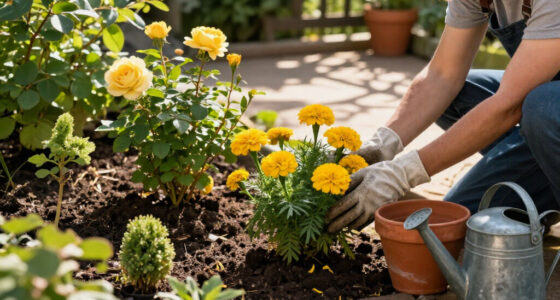
The article frames November as a time to check which outdoor plants need winter protection, before the first frost arrives. It says many tender flowering and foliage plants can be kept indoors through winter and moved back outside in spring, but their needs differ. Gardeners should check the requirements of each specimen and account for their regional climate.
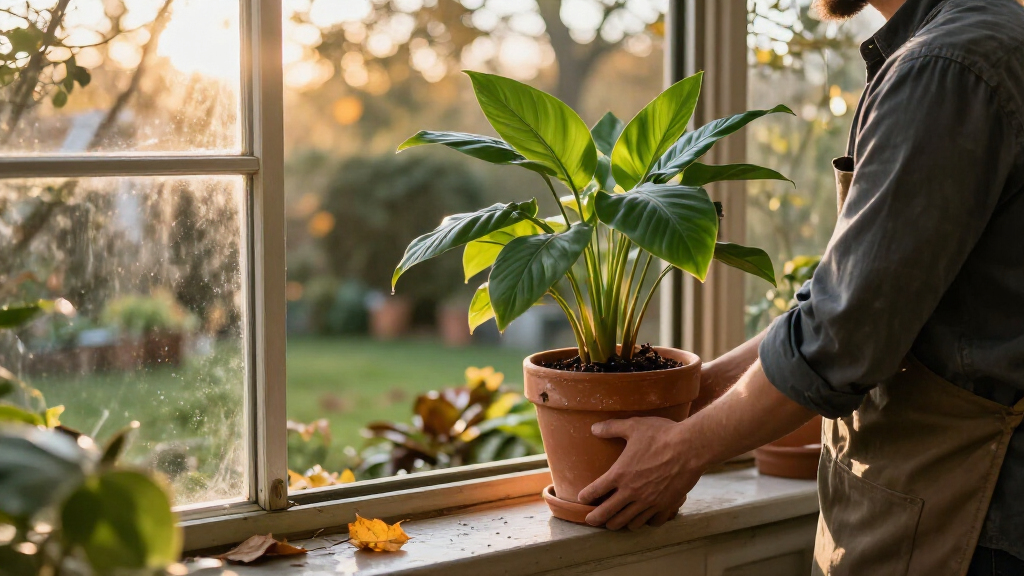
Elephant ears, also known as Colocasia or taro, need to be brought inside in areas colder than USDA Zones 8–11, according to the guide. Plants already growing in pots can be moved; those in the ground need to be dug up and potted. Indoors, they are advised to have a bright position and sparing watering. The article also recommends checking leaves and stems for pests before bringing plants inside.
Citrus trees in pots should be moved indoors outside USDA Zones 9–11, ideally to a bright, cool space away from drafts. The report advises watering sparingly and allowing the top couple of inches of soil to dry between waterings. Succulents such as house leeks, Echeveria and aloe need a sunny spot and little water indoors; coleus should be moved in when winter temperatures fall below 50°F (10°C), and trimmed before the move. The supplied source excerpt begins its pelargonium discussion but does not include its care instructions; it names ferns in its introduction without providing their individual guidance.
Protecting Plants From Winter Conditions
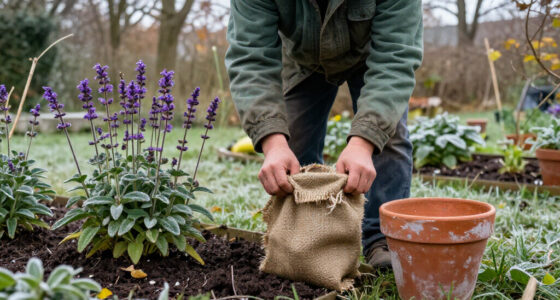
For gardeners, the practical issue is timing the move before damaging weather, rather than waiting for visible cold injury. The report says tender plants may not withstand winter outdoors, while some can continue growing as houseplants until spring. Moving them inside can preserve plants for another growing season, but it also brings new care needs: light, watering, indoor space and pest checks.
The recommendations are not one-size-fits-all. Climate zones and plant-specific needs matter: the guide gives different temperature thresholds for elephant ears, citrus and coleus, and notes that wet conditions can harm some succulents. Readers should treat the listed thresholds as guidance from the article, not a substitute for checking the needs of their own variety and local forecast.
Popular right now

Dyson V9 Motorbar Cordless Vacuum

Bose QuietComfort Ultra Headphones Gen 1, Lunar Blue

Roborock Qrevo S Pro Robot Vacuum and Mop with 18,500 Pa Suction
As an affiliate, we earn on qualifying purchases.
November Moves Depend on Climate
The source is a seasonal gardening report from Homes & Gardens, titled “6 Plants You Should Bring Indoors in November – And Enjoy as Houseplants Over Winter.” Its central advice is to take stock of vulnerable garden plants before frost, then prepare them for a change in growing conditions.
The article specifically identifies USDA hardiness zones where some plants may remain outdoors: Zones 8–11 for elephant ears and 9–11 for citrus. It also gives 50°F (10°C) as the point below which coleus should be brought inside to survive until spring, and about 42°F (6°C) as a temperature limit for certain succulents, while warning that prolonged wet weather can also cause harm. These are distinct plant-specific notes, not a single rule for every garden.
““The degree of care and preparation they’ll need for this shift will vary from plant to plant – and the area you live in.””
— Homes & Gardens
Care Details Differ by Plant
The provided source material does not include the full care advice for pelargoniums or ferns, despite naming both among the six plants. It is also not clear which specific varieties the recommendations cover beyond the examples given, or how local indoor light, humidity and heating conditions may change the care required. The report offers seasonal guidance, not guarantees that every plant will thrive indoors.
Check Forecasts Before Moving Plants
Gardeners can use the guide as a prompt to inspect their plants and check local forecasts before frost or a sustained cold spell. Before bringing pots inside, the report advises checking leaves and stems for pests and clearing dead foliage from succulents. Plants growing in the ground may need to be dug up and potted, while coleus benefits from trimming and a brief adjustment period in a sheltered place, according to the article. Once indoors, owners should follow care suited to each plant and move plants back outside when spring conditions are appropriate.
Key Questions
Which plants does the November guide name?
It names elephant ears, citrus trees, succulents, coleus, pelargoniums and ferns. The supplied excerpt gives specific care details for the first four, but not for pelargoniums or ferns.
When should elephant ears be brought indoors?
Homes & Gardens says to bring them indoors for winter outside USDA Zones 8–11. It advises moving potted plants and digging up and potting plants growing in the ground.
How should succulents be cared for indoors?
The report recommends a bright, sunny spot and watering only when the soil is completely dry. It also advises removing dead leaves and checking for pests before bringing them inside.
Are coleus plants safe around pets?
The article says coleus is poisonous to cats and dogs and recommends keeping the plants out of pets’ reach.
Source: homesandgardens.com