
TL;DR

Get garden gear delivered free with Prime
- Fast, free delivery on millions of items
- Prime Video, Amazon Music and more included
- Member-only deals all year
Outdoor patio furniture sets range from aluminum to teak, with options for every space and climate. Proper size, materials, and care extend their lifespan and comfort. Knowing these details helps you make smarter, lasting choices.
Imagine a warm summer evening. You settle into your outdoor lounge, a cool drink in hand, surrounded by furniture that’s both inviting and built to withstand the elements. That’s the promise of a good outdoor patio furniture set.
If you want your patio to become a favorite gathering spot, choosing the right set is key. It’s not just about looks — durability, size, and climate compatibility are equally important. This guide will walk you through what to look for, how to pick the best pieces, and keep them looking great for years.
Match your furniture material to your climate—teak and aluminum last longer outdoors.
Measure your space carefully, leaving enough room for movement and access.
Choose cushions with quick-drying fills and UV-resistant fabrics for lasting comfort.
Inspect furniture construction for welded joints, corrosion-resistant hardware, and drainage features.
Regular cleaning, covering, and proper storage extend the life of your outdoor set.
What Types of Outdoor Sets Will Make Your Patio Pop?
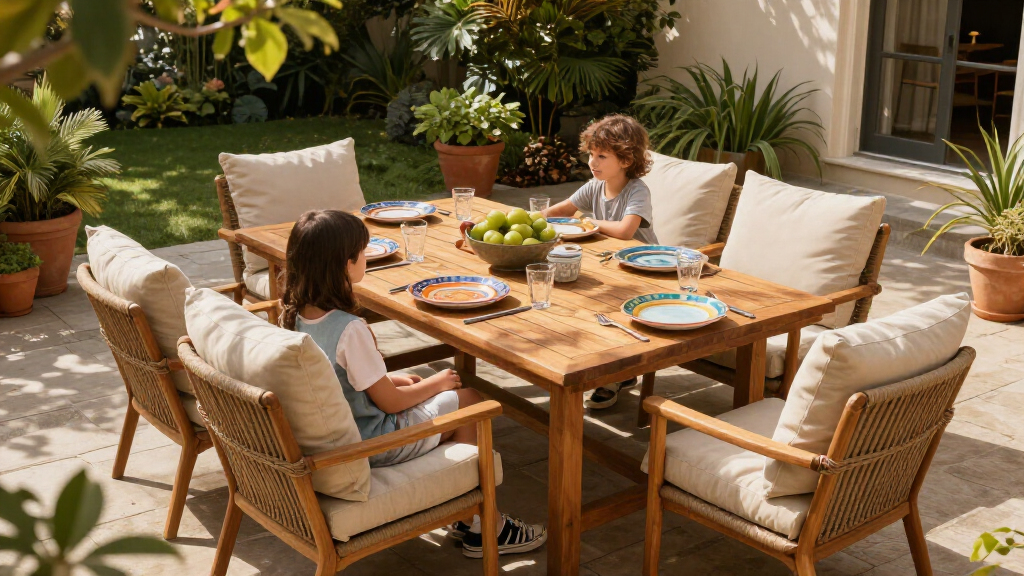
Outdoor patio furniture sets come in all shapes and styles, each designed for specific uses. For a family dinner, a classic dining set with a sturdy table and matching chairs creates a natural spot for meals. If your goal is relaxed conversation, a cozy sectional or lounge set turns your patio into an outdoor living room.
On small balconies, bistro sets with petite tables and two chairs fit snugly without crowding. Want to entertain at a bar-height counter? Tall tables and stools foster casual mingling. And for poolside lounging, chaise lounges and fire-pit sets turn your backyard into a resort.
Here’s a quick rundown:
As an affiliate, we earn on qualifying purchases.
Materials Matter: Find the Toughest Choices for Your Climate
Choosing the right material is like picking the right shoe for a hike — it must match your terrain. Aluminum is lightweight and rust-resistant, perfect for windy coastal areas or frequent movers. Teak is a premium, natural choice, standing tall against rain and sun, but it comes with a higher price tag.
Resin wicker offers a softer, woven look and resists moisture, yet quality varies. Recycled plastics, like HDPE, are tough and eco-friendly, but they can be heavy. Steel and wrought iron deliver strength but need rust prevention coatings.
Considering these materials carefully is essential because each has trade-offs. For example, aluminum is low-maintenance but can feel less substantial; teak is durable but costly and requires periodic oiling to maintain its color. Wicker may look charming but can weaken if exposed to prolonged moisture. Your choice impacts not only longevity but also maintenance effort and initial investment. Matching the material to your climate ensures your furniture withstands seasonal changes and environmental stresses, ultimately saving you money and frustration over replacements.
Cushions and Fabrics: Make Comfort Last & Look Good
Outdoor cushions are the unsung heroes of comfort. Use quick-drying, water-resistant fills combined with UV-resistant fabrics to keep things fresh. Remember: water-resistant doesn’t mean waterproof. Cushions can still soak through seams if left out in a downpour.
Removable covers are a game-changer for cleaning. Dark colors hide stains but fade faster; light fabrics stay bright but show dirt more. Breathable covers prevent mold and mildew, especially if you store cushions during rainstorms or winter.
Choosing the right cushions involves understanding the implications of fabric and fill materials. For instance, polyfiber fills dry quickly and resist mold, making them suitable for humid climates, but they may compress over time, reducing comfort. Foam cushions offer better support but can take longer to dry and may retain moisture if not properly sealed. UV-resistant fabrics help prevent fading, but they can still degrade over years, especially in intense sunlight, leading to the need for replacement. Properly selecting cushions and fabrics balances comfort, durability, and aesthetic appeal, ensuring your outdoor seating remains inviting and functional season after season.
Measure & Plan: Avoid Furniture That Just Won’t Fit
Imagine buying a beautiful dining table only to find it blocks your gate or doesn’t fit through the front door. Before shopping, take precise measurements of your space. Leave at least 75–90 cm (30–36 inches) behind chairs for easy movement.
Don’t forget to account for walkways, door swings, and utility access. For small spaces, opt for foldable or modular pieces that can be stored or rearranged easily. Checking gate widths and lift access in advance avoids big surprises.
Measure twice, buy once.
Climate Tips: Match Your Furniture to Your Weather
Hot, sunny climates demand UV-resistant fabrics and fade-proof finishes—think of your furniture as sunscreen for your patio. Rainy or humid areas benefit from rust-proof frames, quick-drying cushions, and good airflow. Coastal locations need marine-grade hardware and powder-coated surfaces to stand up to salt air.
In windy zones, heavier furniture or anchored pieces prevent accidents. Cold climates require furniture that can handle freeze-thaw cycles—think sealed stone or treated wood. If you want outdoor furniture to last all year, look for durable joinery, drainage holes, and clear manufacturer instructions.
Spot the Quality: Signs of a Well-Made Set
Not all outdoor furniture is created equal. Look for welded joints or reinforced frames, stainless-steel hardware, and smooth finishes without exposed metal. Stable legs that don’t wobble, consistent resin weaving, and proper drainage are clues to quality. Replaceable cushions and hardware extend lifespan, too.
Compare price with construction quality — cheap sets often falter quickly. A good warranty covering rust, fading, and structural issues is a smart investment. When shopping, test the furniture if possible, or review detailed photos and specs.
Sit Comfortably: Ergonomics Matter
Comfort isn’t just a luxury — it’s about how your body interacts with furniture. Check seat height, depth, back angle, and armrest placement. Deep lounge chairs are perfect for stretches of relaxing, but they can overwhelm shorter users. Dining chairs should be firm and upright for comfort during meals.
If you can, test furniture in person. Otherwise, compare dimensions with furniture you already love. Remember: a well-designed chair supports your back and feels good after a long chat or a lazy afternoon.
Keep It Looking Good: Maintenance & Storage Hacks
Routine cleaning keeps your furniture fresh. Mild soap and water work for most materials, but always follow manufacturer instructions. Dry everything thoroughly before covering or storing to prevent mildew. Tighten hardware periodically to maintain stability.
Remove cushions during rain or winter, and store them in a dry, ventilated space. Use breathable covers that fit well but don’t trap moisture. Avoid harsh pressure washing or abrasive tools that can damage finishes or weave.
Every few months, check for scratches, rust spots, or loose screws. Small repairs now save big replacements later.
Frequently Asked Questions
What is the best material for outdoor patio furniture?
There’s no one-size-fits-all answer. Aluminum and HDPE plastics are low-maintenance and durable, while teak offers natural beauty and longevity. Climate plays a big role—choose based on your environment and how much upkeep you’re willing to do.
Can patio furniture stay outside all year?
Many high-quality pieces can, especially if you follow proper maintenance routines and use covers during harsh weather. However, cushions and fabrics usually benefit from dry storage during winter or heavy rain to prolong their lifespan.
Is outdoor furniture waterproof?
Most furniture is weather-resistant, not waterproof. Frames often tolerate rain, but cushions, seams, and hardware can still be vulnerable. Using covers and storing cushions in dry places helps keep everything in top shape.
How long does outdoor furniture last?
It depends on materials, climate, and care. Well-made aluminum, teak, or resin furniture can last over 10 years with proper maintenance. Cheaper sets may only last 3–5 years, especially in harsh conditions.
Should I cover my outdoor furniture?
Yes. High-quality, breathable covers protect against dirt, UV rays, and moisture. Ensure they fit snugly and don’t trap water—this prevents mold, fading, and deterioration over time.
Conclusion
Your outdoor space can become a year-round retreat with the right furniture. Focus on matching materials to your climate, planning your layout carefully, and maintaining your investment regularly.
Imagine relaxing on a sturdy, comfortable set you picked with care—knowing it’s built to withstand sun, rain, and wind. That’s the secret to transforming your patio into a true outdoor oasis.
Fall Picks
fall essentials
As an affiliate, we earn on qualifying purchases.