TL;DR
Country Living published six practical steps for protecting vulnerable plants and garden wildlife as frost and snow approach. The advice includes wrapping tender plants, insulating pots, mulching beds, checking greenhouses and reducing risks from wind and snow; the measures needed depend on local conditions and plant type.
Country Living has published six steps for protecting vulnerable plants and garden wildlife ahead of frost and snow, including wrapping tender plants, insulating containers and mulching exposed soil. The advice, attributed to Julian Palphramand, head of plants at British Garden Centres, is intended to reduce cold-weather damage, but what a garden needs depends on its plants and local conditions.

Get garden gear delivered free with Prime
- Fast, free delivery on millions of items
- Prime Video, Amazon Music and more included
- Member-only deals all year
Palphramand says plants from warmer climates and some delicate perennials are particularly exposed to frost, cold winds and waterlogged soil. He recommends wrapping the trunks, crowns and stems of tender plants—including tree ferns, bananas, cordylines and potted olive trees—with horticultural fleece, burlap or straw, secured with soft garden twine. Tender dahlia and canna tubers should be lifted and stored in a dry, frost-free shed or greenhouse rather than left in frozen, wet ground. Cloches, cold frames or floating row covers can shelter smaller plants such as pelargoniums and salvias.
Container plants need separate attention because their roots have less insulation than roots in open ground, as explained in this guide to protecting container plants before frost. According to Palphramand, frozen compost can expand, harming roots and cracking some terracotta, clay or ceramic pots. He recommends wrapping pots in bubble wrap, burlap or heavy-duty fleece and raising them on pot feet, bricks or stone risers to keep them off saturated ground.
The remaining steps cover beds and structures as well as plants. A three-inch layer of mulch, such as leaf mold, chipped bark, compost or farmyard manure, can insulate roots and help protect soil from erosion, Palphramand says; gardeners can also learn how to find frost pockets before winter. For greenhouses, he advises cleaning the glass, sealing drafty gaps and using bubble-wrap insulation. Tender plants kept in an unheated greenhouse should be watered sparingly, only when their compost feels dry, to reduce the risk of damp, mold and rot.
Preparing Gardens for Winter Stress
Frost and snow can affect more than foliage: frozen compost may damage container roots, wet ground can put tubers at risk of rotting, and strong winds or heavy snow can stress shrubs and branches. The recommendations focus on practical preventive steps that gardeners can take before severe weather, rather than repairs after damage occurs.
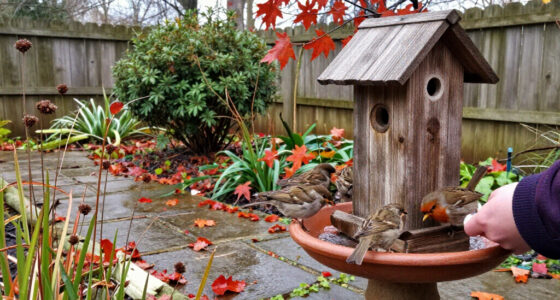
The guidance also includes wildlife and lawn care. Palphramand advises avoiding walking on frozen or snow-covered lawns, keeping bird feeders stocked with high-energy food and providing fresh water. For ponds, he recommends floating a small rubber ball to help keep an opening in the ice; he warns against smashing ice because the resulting shock waves can harm fish and amphibians.
Popular right now

Philips 5500 Series Fully Automatic Espresso Machine with LatteGo Milk System

Dyson Cyclone V10 Origin Cordless Vacuum

Dyson Airwrap i.d. Multi-Styler with Bluetooth Connectivity
As an affiliate, we earn on qualifying purchases.
Six Tasks in the Winter Guide
The source is a Country Living gardening report offering seasonal preparation advice, not a forecast or a report of a particular frost event. Its six areas are: sheltering or storing tender plants and tubers; protecting pots; insulating soil and roots; checking greenhouse conditions; reducing wind and snow damage to shrubs, roses and trees; and taking steps to protect wildlife.
For shrubs and roses, Palphramand describes “wind rock” as movement in strong winds that can loosen root anchors and leave gaps in the soil where water may collect and freeze. He suggests pruning bush roses by roughly half their height in early winter and tying in climbing roses. He also recommends using a soft broom to gently remove heavy snow from branches of conifers, hedges and evergreen shrubs.
“Cold, biting winds and frost can be a lethal combination for tender exotics, Mediterranean varieties, and delicate perennials.”
— Julian Palphramand, head of plants at British Garden Centres, as quoted by Country Living
Local Weather and Plant Needs
The report does not specify a forecast, the areas expected to experience frost or snow, or a date by which every garden should complete these tasks. It also does not give plant-by-plant temperature thresholds. Frost tolerance and suitable protection vary by species, plant condition and local exposure, so the recommendations should not be read as a guarantee against damage.
The report offers general advice and does not cite comparative trials or quantify how much each measure reduces losses. Gardeners will need to judge when to act using local weather information and the needs of plants in their care.
Before the Next Cold Snap
Gardeners can check local forecasts and identify plants most exposed to cold, wind or waterlogged ground before temperatures fall. The guide recommends preparing coverings and storage space for tender plants, raising and insulating pots, and applying mulch to vulnerable beds. Greenhouse owners can check for drafts and make sure plants are not kept excessively wet.
If snow or ice arrives, the advice is to remove heavy snow gently from vulnerable branches, keep off frozen lawns and avoid breaking pond ice. The report does not announce a follow-up or a specific weather milestone; the next step is preparation before local winter conditions arrive.
Key Questions
Which plants does the report identify as especially vulnerable to frost?
Julian Palphramand names tree ferns, bananas, cordylines and potted olive trees, along with tender exotics, Mediterranean varieties and delicate perennials. The level of risk varies by plant and local conditions.
How should tender plants and tubers be protected?
The guide recommends wrapping exposed trunks, crowns and stems in horticultural fleece, burlap or straw. It says to lift tender dahlia and canna tubers and store them in a dry, frost-free place.
Why raise pots off the ground in winter?
Palphramand advises raising pots on pot feet, bricks or stone risers to keep them off saturated ground. He also says frozen compost can expand and damage roots or crack some pots, so containers can be wrapped for insulation.
What should gardeners do if a pond freezes?
The report suggests floating a small rubber ball on the pond to help keep a hole open for gas exchange. It warns not to smash the ice, which Palphramand says can harm fish and amphibians.
Source: countryliving.com