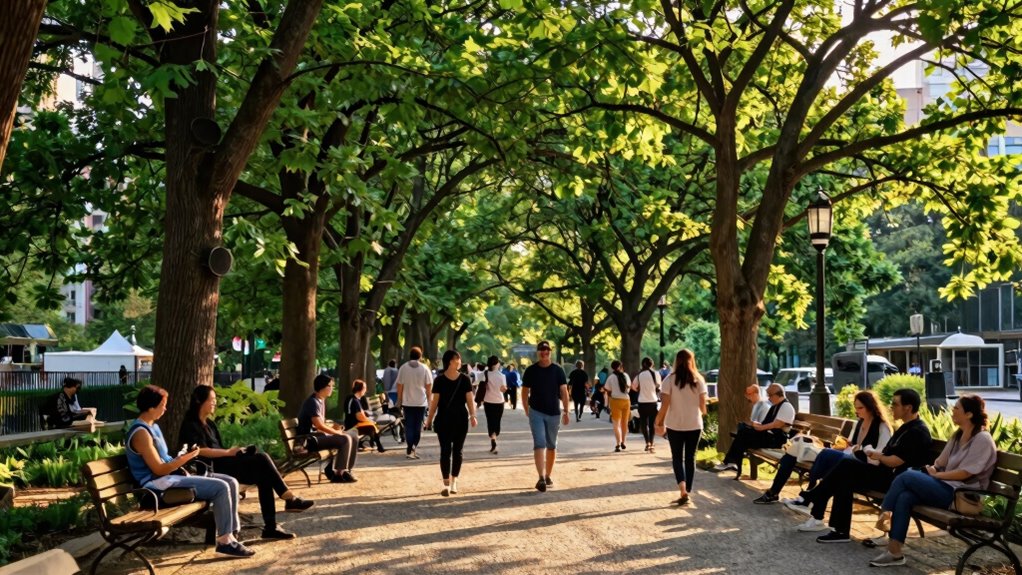

A healthy tree canopy helps protect your community’s health by cooling urban areas, which reduces heat-related illnesses during heatwaves. Trees also improve air quality by absorbing pollutants and releasing oxygen, supporting respiratory health. Plus, green spaces encourage outdoor activity, lowering stress and boosting mental well-being. Stormwater management from trees prevents flooding and water pollution, making environments safer. To discover how expanding tree cover can benefit your neighborhood further, keep exploring these important connections.

Get garden gear delivered free — and shop member deals
- Fast, free delivery on millions of items
- Access to Prime Big Deal Days deals on October 6–7
- Prime Video, Amazon Music and more included
Key Takeaways
- Tree canopies reduce urban temperatures, lowering heat-related health risks during heatwaves.
- Trees improve air quality by absorbing pollutants and producing oxygen, supporting respiratory health.
- Green spaces encourage physical activity and outdoor recreation, benefitting cardiovascular health.
- Trees manage stormwater, reducing flood risks and waterborne disease exposure.
- Urban greenery enhances mental well-being, reducing stress and promoting community resilience.
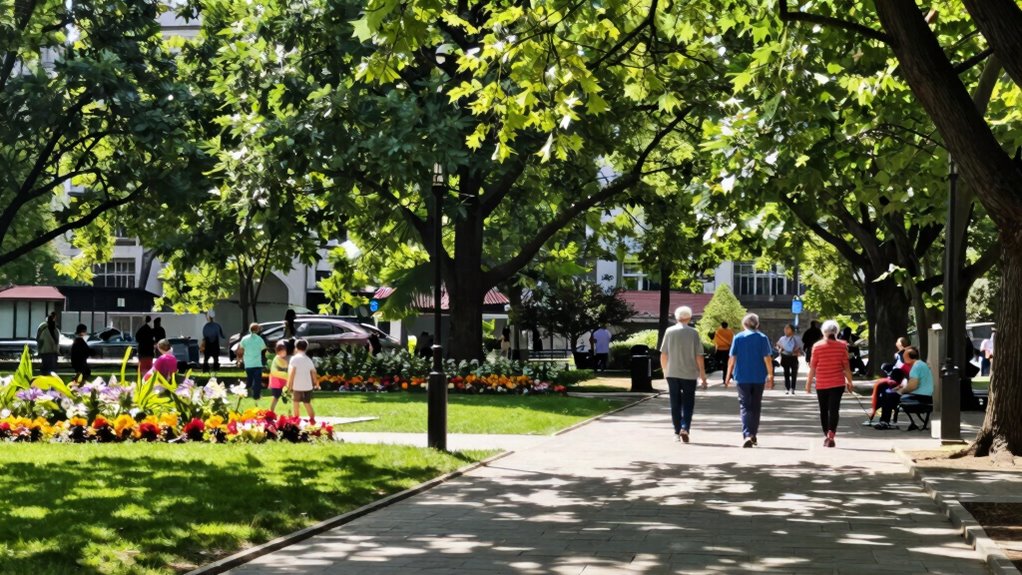
Trees do more than just enhance the beauty of your neighborhood; they play an essential role in promoting public health. One of their most significant impacts is on reducing urban heat. Cities tend to trap heat because of concrete, asphalt, and other hard surfaces that absorb and radiate warmth. When you have a healthy tree canopy, it acts like a natural cooling system, providing shade and decreasing surface temperatures. This cooling effect can lower the overall temperature in your community, making it more comfortable during heatwaves. By diminishing urban heat, trees help prevent heat-related illnesses, especially among vulnerable populations like children, the elderly, and those with pre-existing health conditions. Additionally, urban heat mitigation through trees can help decrease energy consumption by reducing the need for air conditioning, further benefiting public health and the environment. Incorporating a diverse range of trees can also enhance resilience against pests and diseases that threaten urban greenery. Moreover, a variety of tree species can help maintain a healthy and sustainable ecosystem, supporting biodiversity within urban spaces. A diverse tree canopy can also buffer against the impacts of climate change, further strengthening urban resilience.
Healthy trees reduce urban heat, providing shade and lowering temperatures to protect vulnerable populations during heatwaves.
Air quality is another critical aspect influenced by trees. In urban environments, pollution from vehicles, factories, and other sources deteriorates air quality, leading to respiratory problems and other health issues. Trees act as natural air filters, absorbing pollutants such as nitrogen dioxide, sulfur dioxide, and particulate matter. Their leaves trap airborne particles, improving the air you breathe every day. When the air quality improves, so does your respiratory health, reducing asthma attacks, bronchitis, and other respiratory conditions. Additionally, trees produce oxygen through photosynthesis, contributing to a healthier, more breathable environment for everyone in the community.
The presence of a robust tree canopy also encourages physical activity and mental well-being. When neighborhoods are shaded by trees, you’re more likely to walk, bike, or spend time outdoors. This increased activity benefits your cardiovascular health and supports mental health by reducing stress and anxiety. Furthermore, trees provide aesthetic and psychological comfort, giving residents a sense of connection to nature that can boost overall well-being. As communities recognize the importance of maintaining a healthy urban ecosystem, more efforts are being made to preserve existing trees and plant new ones. These efforts are essential for creating resilient and sustainable urban environments that can adapt to changing conditions.
Additionally, trees contribute to stormwater management, reducing flood risks and water pollution, which indirectly benefits public health. They absorb rainwater, decreasing runoff that can carry pollutants into waterways. This process helps maintain cleaner water sources, preventing waterborne diseases and contamination risks. stormwater management is a vital function of urban trees that often goes unnoticed but has significant health implications. Properly managed urban green spaces can reduce the burden on drainage systems and improve overall community resilience to extreme weather events. Incorporating green infrastructure into urban planning can enhance these benefits and support healthier communities.
In your daily life, planting or preserving trees in your neighborhood offers tangible benefits that extend beyond aesthetics. Trees combat urban heat, improve air quality, and promote physical and mental health. As these benefits become more evident, it’s clear that investing in tree canopy isn’t just about beautification — it’s a crucial part of creating healthier, more resilient communities. Your choice to support or plant trees directly influences public health outcomes, making your neighborhood a safer and more vibrant place to live.
As an affiliate, we earn on qualifying purchases.
Frequently Asked Questions
How Do Tree Canopies Affect Urban Heat Islands?
Tree canopies help reduce urban heat islands by providing shade and promoting urban cooling. When you plant more trees, they absorb sunlight, lowering surface temperatures and cooling the air around them. This also improves air quality, as trees filter pollutants and produce oxygen. As a result, your city becomes more comfortable, especially during hot days, making public spaces more enjoyable and healthier for everyone.
Can Increasing Tree Canopy Reduce Healthcare Costs?
Yes, increasing tree canopy can reduce healthcare costs by improving air quality and boosting mental well-being. Trees filter pollutants, leading to cleaner air and fewer respiratory issues. Additionally, green spaces promote relaxation and reduce stress, which can lower mental health treatment needs. As you plant more trees, you may see fewer health problems and costs decline, making communities healthier and more cost-effective in the long run.
What Species of Trees Are Best for Public Health?
You’ll want to choose hardy, native tree species like oaks, maples, and willows for public health benefits. These trees support urban biodiversity, improve air quality, and provide shade that cools neighborhoods. By selecting the right tree species, you create an ecosystem that boosts mental well-being and reduces stress. These trees become your city’s natural health heroes, turning urban spaces into vibrant, healthier environments for everyone.
How Quickly Do Benefits of Tree Planting Manifest?
The health benefits of tree planting can appear surprisingly quickly—sometimes within months. As trees mature, they improve air quality, reduce heat, and promote mental well-being. You’ll notice these benefits as soon as the trees grow enough to provide shade and cleaner air. Regular tree planting accelerates these positive effects, making your community healthier and more vibrant. So, start planting now to enjoy the benefits sooner rather than later.
Are There Any Health Risks Associated With Urban Trees?
Yes, urban trees can pose health risks like airborne allergens that trigger allergies or asthma. You might also face pesticide exposure from tree maintenance activities, which can cause respiratory or skin issues. To minimize these risks, guarantee proper tree selection and maintenance practices. Regularly washing hands and staying indoors during pesticide applications help reduce exposure. Overall, the benefits of urban trees often outweigh these risks when managed responsibly.
Conclusion
You might be surprised to learn that neighborhoods with more tree canopy experience 15% fewer respiratory issues. By preserving and expanding urban trees, you’re not just beautifying your surroundings—you’re actively improving public health. Every tree planted can help reduce heat, boost mental well-being, and clean the air you breathe. So, next time you see a tree, remember it’s more than just greenery; it’s an essential part of a healthier, happier community.
Fall yard work Picks
leaf blowers
As an affiliate, we earn on qualifying purchases.