
Storytelling changes sustainability engagement by making complex issues emotionally relatable and visually vivid, helping you connect personally with environmental challenges. It activates both your mind and heart, inspiring you to take action like conserving resources or supporting policies. Through powerful stories, you feel a sense of community and shared responsibility, which boosts motivation. If you keep exploring, you’ll discover even more ways storytelling can deepen your impact and involvement in sustainability efforts.

Get garden gear delivered free — and shop member deals
- Fast, free delivery on millions of items
- Access to Prime Big Deal Days deals on October 6–7
- Prime Video, Amazon Music and more included
Key Takeaways
- Storytelling fosters emotional connections that motivate individuals to participate in sustainability efforts.
- Vivid narratives make complex environmental issues relatable and memorable, increasing engagement.
- Sharing collective success stories builds community responsibility and encourages collective action.
- Narrative techniques deepen empathy, inspiring sustained behavioral changes towards sustainability.
- Connecting personal experiences with environmental challenges makes sustainability issues feel urgent and relevant.
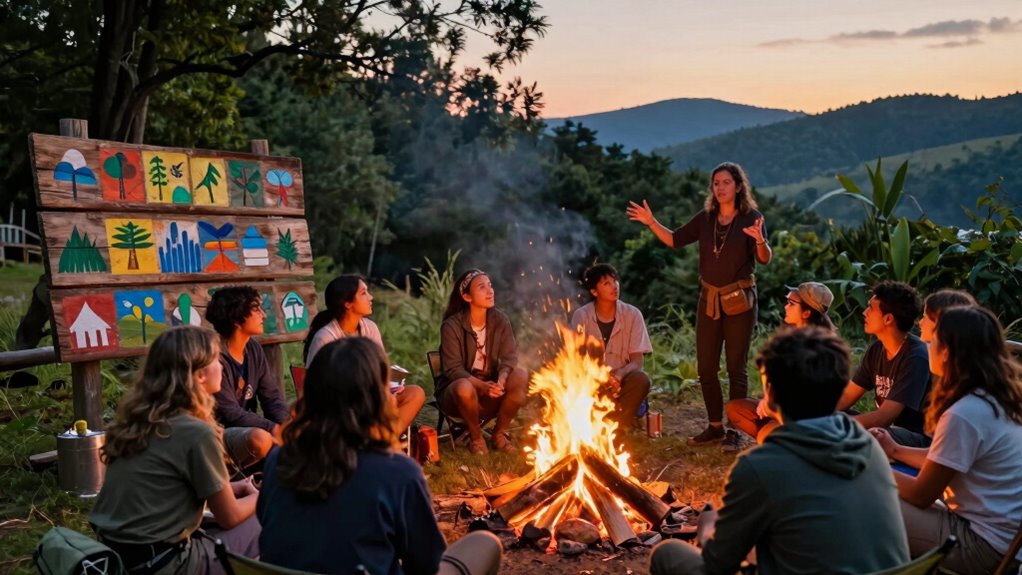
Have you ever wondered how stories can influence our commitment to sustainability? It’s because storytelling has a unique power to create emotional resonance, making abstract or distant issues feel personal and urgent. When you hear a compelling story, your mind and heart are activated together, forging a stronger connection to the message. This emotional pull can inspire you to take action, whether it’s reducing waste, supporting conservation efforts, or advocating for policy change. Stories that tap into genuine emotions resonate deeply, making sustainability feel less like an obligation and more like a shared human experience. When you relate to the characters or situations in a story, you’re more likely to see yourself as part of the solution rather than just an observer.
Stories activate emotion and connection, inspiring action for a sustainable future.
Visual narratives amplify this effect by engaging your senses and imagination. Instead of just reading facts or statistics, you see vivid images that bring the issues to life. Think about images of melting glaciers or thriving forests—these visuals aren’t just pretty pictures; they evoke feelings of awe, concern, and hope. Visual storytelling transforms complex data into relatable stories, making climate change or biodiversity loss tangible and immediate. When you encounter powerful visual narratives, they become etched into your memory, fueling your motivation to act. You don’t just understand the problem intellectually; you feel it emotionally. This emotional resonance, combined with compelling visuals, makes the message more memorable and impactful, increasing the likelihood that you’ll engage with sustainability initiatives.
Effective storytelling also creates a sense of community. When a story highlights collective efforts or shared values, you feel part of a larger movement. It shifts your perspective from individual actions to a collective responsibility, reinforcing the idea that your efforts matter and can contribute to meaningful change. Furthermore, stories often include hopeful endings or calls to action, encouraging you to participate actively. The combination of emotional resonance and vivid visuals makes these calls more persuasive, inspiring you to move from awareness to action. Additionally, incorporating narrative techniques can further enhance engagement by making stories more compelling and memorable. These techniques help to deepen emotional investment and foster empathetic understanding, which is crucial for motivating sustainable behavior. Recognizing the role of storytelling in communication can also help organizations craft more impactful messages that resonate with diverse audiences. Moreover, understanding the psychology of storytelling can assist in designing narratives that effectively motivate sustainable habits and attitudes.
The power of storytelling changes sustainability engagement by making issues emotionally compelling and visually accessible. It bridges the gap between complex environmental challenges and your personal experience, motivating you to get involved. When stories resonate emotionally and are reinforced by powerful visuals, they turn abstract problems into relatable realities, fostering a deeper commitment to creating a sustainable future.
visual storytelling tools for environmental education
As an affiliate, we earn on qualifying purchases.
As an affiliate, we earn on qualifying purchases.
Frequently Asked Questions
How Can Storytelling Be Tailored for Different Cultural Audiences?
You can tailor storytelling for different cultural audiences by understanding cultural nuances and adapting your narrative accordingly. Focus on local values, beliefs, and traditions to make your message resonate deeply. Use language, symbols, and storytelling styles familiar to each audience, ensuring your message feels authentic. Narrative adaptation involves customizing stories to reflect the audience’s context, making sustainability issues relevant and engaging across diverse cultures.
What Are Common Pitfalls When Using Storytelling for Sustainability?
You might stumble with storytelling for sustainability if you rely solely on facts, neglecting emotional appeal. Using only straightforward information can bore your audience or make them disengage. Instead, incorporate strong narrative techniques that evoke emotions, helping your message resonate. Be cautious of oversimplifying complex issues or using guilt-trip tactics, as these can backfire. Balance facts with heartfelt stories to inspire genuine engagement and motivate action effectively.
How Do Metrics Measure Storytelling’s Impact on Engagement?
You can measure storytelling’s impact on engagement through quantitative analysis, which tracks metrics like shares, comments, and view durations. Notably, stories with strong emotional resonance boost engagement by up to 50%, showing how powerful emotion is in driving action. By analyzing these data points, you gauge how well your stories resonate emotionally, helping you refine your approach to foster deeper connections and motivate sustainable behaviors.
Can Storytelling Influence Policy Change Beyond Consumer Behavior?
Yes, storytelling can influence policy change by driving policy advocacy and fostering cultural adaptation. When you craft compelling stories, you connect emotionally with policymakers and the public, making sustainability issues more relatable. This emotional connection encourages policymakers to prioritize environmental initiatives and adapt policies to cultural contexts. Your stories can bridge gaps between science and society, inspiring tangible policy shifts beyond just shaping consumer behavior.
What Training Is Needed to Effectively Craft Sustainability Stories?
They say, “You never get a second chance to make a first impression,” so to craft effective sustainability stories, you need training in narrative techniques and audience analysis. You should learn how to create compelling stories that resonate emotionally and inform. Developing skills in storytelling structure, empathy, and understanding your audience’s values helps you connect deeply, inspiring action and fostering genuine engagement with sustainability issues.
Conclusion
You never know when a simple story might spark someone’s passion for sustainability, just like how you once stumbled upon a tale that changed your perspective. It’s no coincidence that the power of storytelling often finds its way into the hearts of those who need it most, guiding their actions. When you share authentic stories, you create ripples—connecting people, ideas, and futures—reminding us all that change often begins with a single, meaningful narrative.
Fall Picks
fall essentials
As an affiliate, we earn on qualifying purchases.