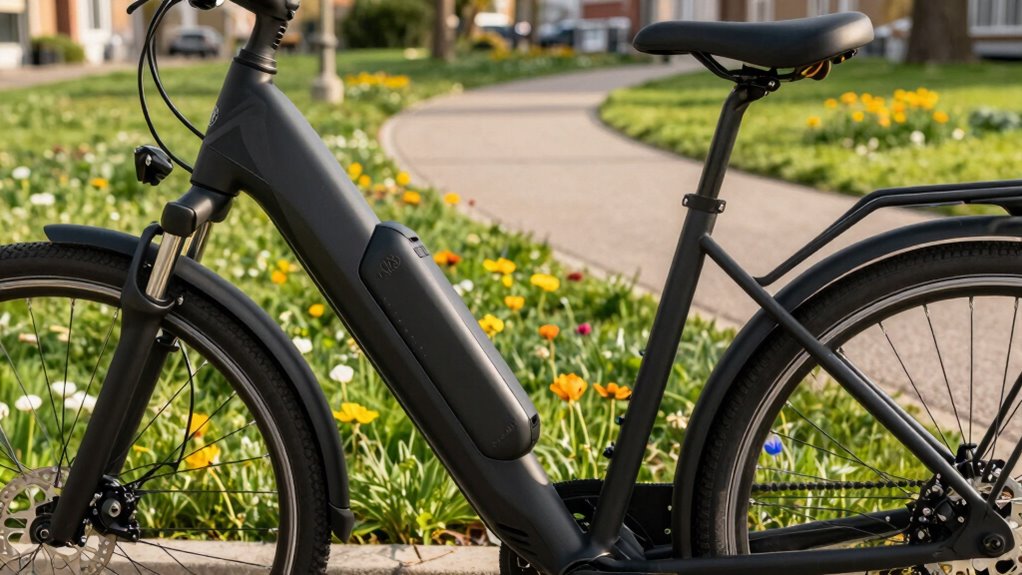

Your e-bike’s miles per charge aren’t just about battery size—they depend on your weight, terrain, and riding style. Heavier loads, hills, or headwinds eat up more energy, reducing distance. Riding aggressively or at high speeds also shortens your range. Cold or hot weather can affect battery performance too. To get the most from your e-bike, consider all these factors, and if you want to discover how to maximize your ride, keep exploring these details.

Get garden gear delivered free — and shop member deals
- Fast, free delivery on millions of items
- Access to Prime Big Deal Days deals on October 6–7
- Prime Video, Amazon Music and more included
Key Takeaways
- Rider weight, cargo, and terrain significantly impact how far an e-bike can travel per charge.
- Riding conditions like hills, headwinds, and rough surfaces increase energy consumption, reducing range.
- Temperature affects battery efficiency, with cold weather lowering overall miles per charge.
- Riding style—speed, acceleration, and stopping frequency—directly influences energy use and distance.
- Motor and battery efficiency determine how effectively stored energy translates into actual riding distance.
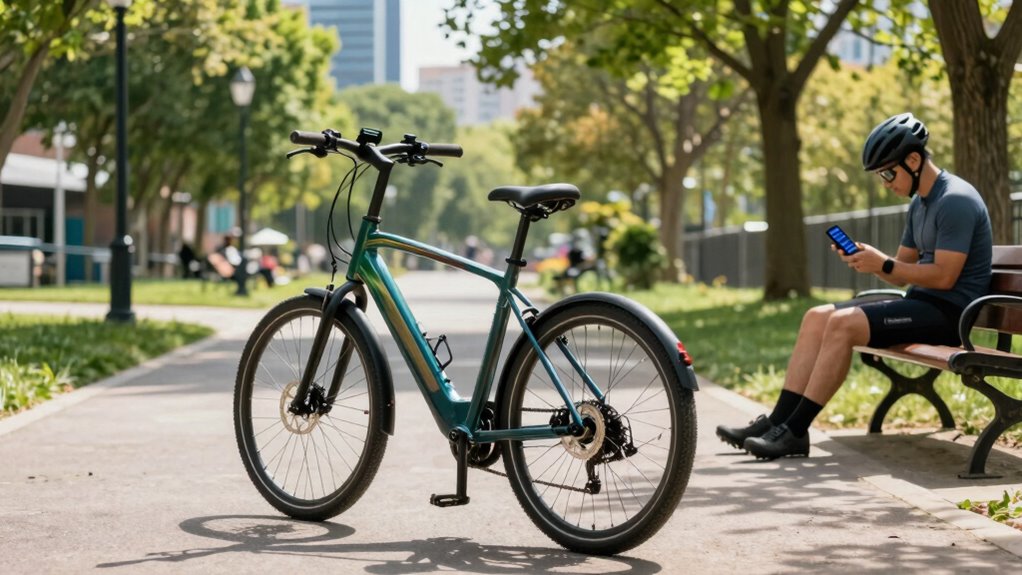
Electric bikes promise impressive range figures, but in reality, several factors can substantially reduce how far you can ride on a single charge. One of the most vital is battery capacity. A larger battery typically means more stored energy, allowing you to cover greater distances before needing a recharge. However, even the biggest batteries won’t guarantee the range advertised if other conditions aren’t ideal. The capacity alone isn’t the only determinant; how efficiently the bike uses that stored energy also matters. For example, the motor’s efficiency, the bike’s weight, and riding conditions all influence how far you can go.
Rider weight is another essential factor. The heavier you are, the more effort the motor has to exert to move you along. As a result, your overall range decreases because the motor consumes more energy to carry the extra weight. If you’re carrying additional gear or cargo, expect a further reduction in miles per charge. This impact is especially noticeable when climbing hills or riding into headwinds, where increased resistance demands more power from the motor. So, if you’re heavier or carrying extra weight, don’t expect the range to match the manufacturer’s estimates under ideal conditions.
Heavier riders and extra cargo reduce e-bike range, especially on hills and into headwinds.
Temperature also plays a role alongside battery capacity and rider weight. Cold weather can noticeably reduce battery efficiency, meaning your e-bike might not reach its full potential in winter. Cold temperatures slow down chemical reactions inside the battery, decreasing its ability to deliver power. Conversely, riding in hot weather can cause the battery to overheat, which might lead to reduced performance or even safety concerns. Maintaining your battery at suitable temperatures helps maximize its capacity and, consequently, your range.
Riding style is another aspect you should consider. Aggressive acceleration, high speeds, and frequent stopping drain energy faster. If you tend to ride aggressively or frequently stop and start, your bike will use more battery power per mile. Conversely, smooth, steady riding conserves energy and extends your range. Terrain also influences range; riding on flat surfaces requires less effort than tackling hilly or rough terrain. Wind resistance adds to the load, especially when riding into the wind, further decreasing your miles per charge.
As an affiliate, we earn on qualifying purchases.
Frequently Asked Questions
How Does Rider Weight Impact E-Bike Range?
Your rider weight substantially impacts your e-bike range because heavier loads require more power to pedal or motor assistance. If you’re carrying extra weight, you’ll notice shorter distances per charge. Your riding style also plays a role—aggressive acceleration and frequent stops drain the battery faster. To maximize range, maintain a steady riding style, reduce unnecessary weight, and optimize your bike’s settings for efficiency.
Do Different Terrains Significantly Change Mileage?
Imagine you’re riding your e-bike on steep, rocky trails instead of flat pavement. Terrain influence is significant, as rough or hilly terrains demand more rider effort, reducing efficiency and draining the battery faster. Uphill climbs, for example, decrease mileage because your motor and rider both work harder. So yes, different terrains greatly impact your e-bike’s range, making rider efficiency key to maximizing miles per charge across varied landscapes.
How Does Weather Affect E-Bike Battery Life?
Weather considerably impacts your e-bike battery life because temperature effects influence battery chemistry. Cold weather causes chemical reactions to slow down, reducing your range, while hot temperatures can cause overheating and faster battery degradation. When riding in extreme temperatures, your battery’s efficiency drops, so you might notice fewer miles per charge. To maximize battery life, avoid exposing it to extreme cold or heat and store it in a temperature-controlled environment when not riding.
Can Accessories Reduce Overall Riding Distance?
Yes, accessories can reduce your overall riding distance. Adding items like lights, racks, or extra gadgets increases battery drain, leading to faster battery degradation over time. When you carry more weight or use power-consuming accessories, your e-bike requires more energy, decreasing your miles per charge. To maximize range, choose lightweight accessories and avoid unnecessary items that strain your battery, helping you preserve battery health and extend riding distance.
What Maintenance Practices Extend Battery Longevity?
Think of your battery as a delicate garden that needs careful tending. You extend its lifespan by practicing good maintenance: regularly calibrate the battery to keep it accurate, and develop consistent charging habits—avoid overcharging or letting it fully drain. These practices prevent undue strain, ensuring your e-bike’s battery remains healthy longer. Proper care isn’t just maintenance; it’s an investment in your ride’s future, keeping your miles per charge reliable and your adventures endless.
Conclusion
Understanding what truly affects your e-bike’s range helps you ride smarter. For instance, if you weigh more and ride uphill frequently, expect fewer miles per charge. Imagine you’re planning a weekend trip—by adjusting your riding style and bike settings, you could extend your range and enjoy more miles without needing a recharge. So, keep these factors in mind, and you’ll get the most out of every charge, making your rides more enjoyable and reliable.
Fall Picks
fall essentials
As an affiliate, we earn on qualifying purchases.