
Range anxiety on e-bikes is mainly a planning problem because it depends on understanding your battery’s health, capacity, and available charging options. Over time, battery degradation reduces how far you can go, so knowing its condition helps you set realistic trip expectations. You should also consider factors like terrain and riding style. Careful planning, including checking your battery status and route options, can prevent surprises. Keep exploring, and you’ll discover more effective ways to manage your rides confidently.
Key Takeaways
- Proper trip planning based on battery health and capacity minimizes the fear of running out of power mid-ride.
- Regularly testing and monitoring battery range helps set realistic expectations and avoid overestimating capacity.
- Awareness of charging infrastructure and pre-trip route research ensure availability of charging options when needed.
- Adjusting riding style and route to conserve battery extends effective range and reduces range anxiety.
- Understanding battery degradation over time allows for better planning and realistic range assessments.
Have you ever worried about running out of battery during a ride? That concern is what many people call range anxiety, and it’s often less about the bike’s actual capacity and more about how you plan your trip. When you’re aware of your e-bike’s battery degradation over time, you understand that its maximum range might shrink gradually, making it tricky to gauge how far you can go. This isn’t just a matter of the battery’s age; it also depends on how well you maintain it and how you ride. If your battery isn’t in top shape, you need to plan more carefully, especially on longer journeys.
Understanding your e-bike’s battery health helps manage range and plan better for longer rides.
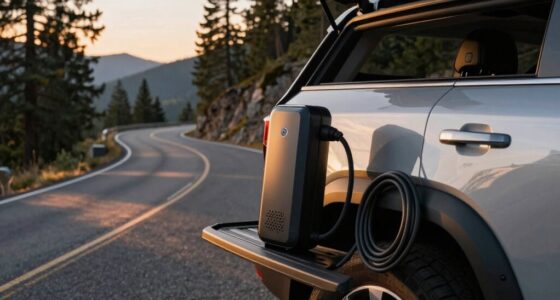
Another key factor in managing range anxiety is understanding the charging infrastructure available along your route. If you’re used to riding in areas with plenty of charging stations, you might feel more confident about tackling longer distances. But if charging options are sparse or unreliable, you have to get creative with your planning. You might need to carry a portable charger or plan multiple stops at stations, which requires research before your trip. Knowing where you can recharge cuts down on uncertainty and helps you avoid the panic of being stranded with a dead battery.
Most of your range anxiety, however, stems from a planning problem. You often overestimate how far your bike can go on a full charge, especially if you haven’t tested it under similar conditions. Wind, terrain, load, and riding style all influence your actual range. If you don’t account for these factors, you might find yourself unexpectedly low on power. A good rule of thumb is to keep your ride well within your bike’s rated range, especially if you notice your battery’s capacity has declined. Regularly monitoring the battery’s health and understanding its current capacity helps you set realistic expectations.
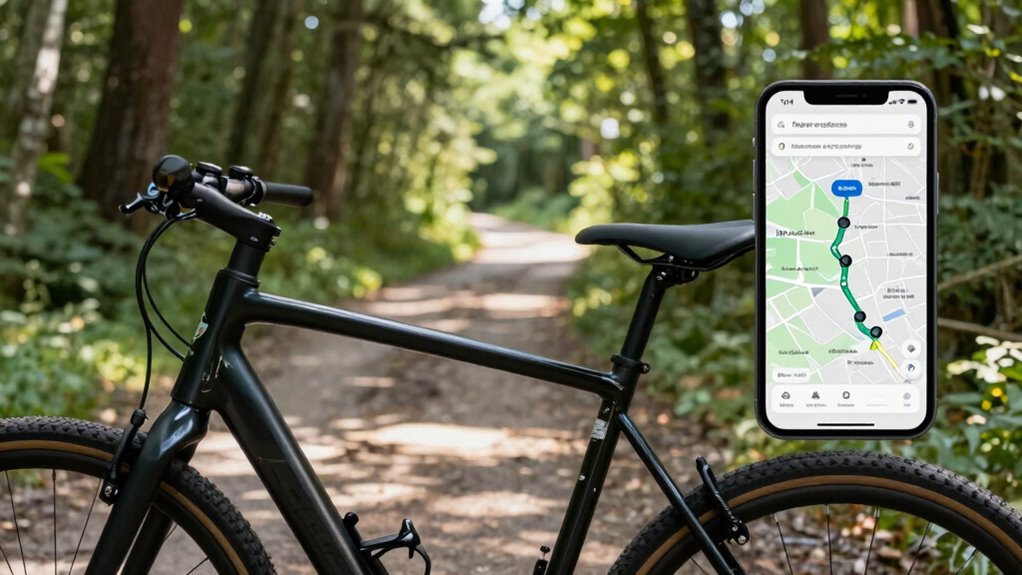
Being proactive about planning makes a huge difference. Check your bike’s battery status before every ride, and review your route for charging options. Use maps or apps that show charging stations along your path. Adjust your speed and riding style to conserve power when needed. Additionally, understanding battery capacity and degradation can help you better estimate your range over time. You can also consider software updates or firmware calibration that might improve your battery’s performance. Staying informed about your battery’s health metrics enables you to make smarter decisions during rides. With proper planning, you’ll be able to extend your rides, avoid surprises, and enjoy cycling without constantly worrying about running out of juice. The more you understand your bike’s limitations and infrastructure, the more confident you’ll feel on every ride, transforming range anxiety from a constant concern into a manageable part of your journey.
As an affiliate, we earn on qualifying purchases.
Frequently Asked Questions
How Do Weather Conditions Affect E-Bike Range?
Weather conditions directly impact your e-bike range by affecting battery preservation and requiring weather adaptation. Cold temperatures, for example, drain the battery faster, reducing your ride distance. Rain and wind can make pedaling harder, also decreasing range. To minimize these effects, you should plan routes carefully, keep your battery warm when possible, and adjust your riding style. Staying mindful of weather helps you maintain ideal e-bike performance and extend your riding range.
Can Carrying Extra Weight Reduce E-Bike Range?
Carrying extra weight definitely impacts your e-bike’s range. When you add more rider weight or cargo, it strains the motor and drains the battery faster. Your battery capacity must work harder to propel the bike, reducing how far you can go on a single charge. So, if you’re planning a long ride, consider lightening your load—every extra pound could cut into your distance more than you’d expect.
Is Range Anxiety More Common in New E-Bike Users?
Yes, range anxiety is more common in new e-bike users because they’re still learning how to optimize their battery lifespan and manage their user experience. As you gain experience, you’ll better understand your bike’s actual range, how terrain affects battery life, and how to plan your rides effectively. This knowledge helps reduce anxiety, making you more confident in your e-bike’s capabilities and enhancing your overall riding enjoyment.
How Often Should I Charge My E-Bike for Optimal Range?
You should charge your e-bike whenever the battery drops to around 20-30%, ensuring the best range and battery health. Regular charging helps with battery calibration, preventing inaccurate readings and range anxiety. Avoid waiting until the battery is completely empty, as this can harm the battery over time. Maintain a consistent charging frequency, ideally after each ride or every few days, to keep your e-bike ready and reliable for your adventures.
Do Different Terrains Significantly Impact E-Bike Battery Life?
You’ll find that different terrains do considerably impact your e-bike’s battery life. For example, riding uphill can drain your battery 30-50% faster than flat terrain. Your riding habits also matter; frequent acceleration and high speeds accelerate battery degradation. So, if you often ride rough or hilly areas, expect your e-bike’s battery to wear out faster. Adjusting your riding style and choosing suitable terrains can help extend battery life.
Conclusion
So, next time you set out on your e-bike journey, think of range anxiety as a map you can master. Picture your ride as a dance across winding roads and open fields—your planning the rhythm that keeps you moving smoothly. With a little foresight, you’re not just avoiding worry; you’re embracing freedom, feeling the wind in your face, and knowing that every turn is part of a bigger adventure. Your ride isn’t just about reaching a destination—it’s about enjoying the journey itself.