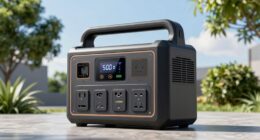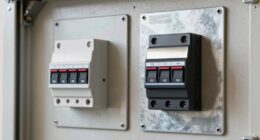

Backfeeding happens when you connect a generator improperly, sending electricity back into utility lines. This creates a serious risk for utility workers because energized lines can cause electrocution, even if you think the power is off. If you don’t use a transfer switch and connect directly to outlets, you could unintentionally put linemen in danger. Understanding how to prevent backfeeding is essential—keep exploring to learn how to protect yourself and others from these hazards.
Key Takeaways
- Improper generator connections can send live electricity back into utility lines, posing electrocution risks to linemen.
- Backfeeding occurs when generators are connected directly to outlets without transfer switches.
- Utility workers may assume power lines are de-energized, increasing the risk of shock during repairs.
- Proper wiring and the use of transfer switches prevent dangerous backflow into the grid.
- Awareness of backfeeding hazards is essential for safe generator use and protecting utility personnel.
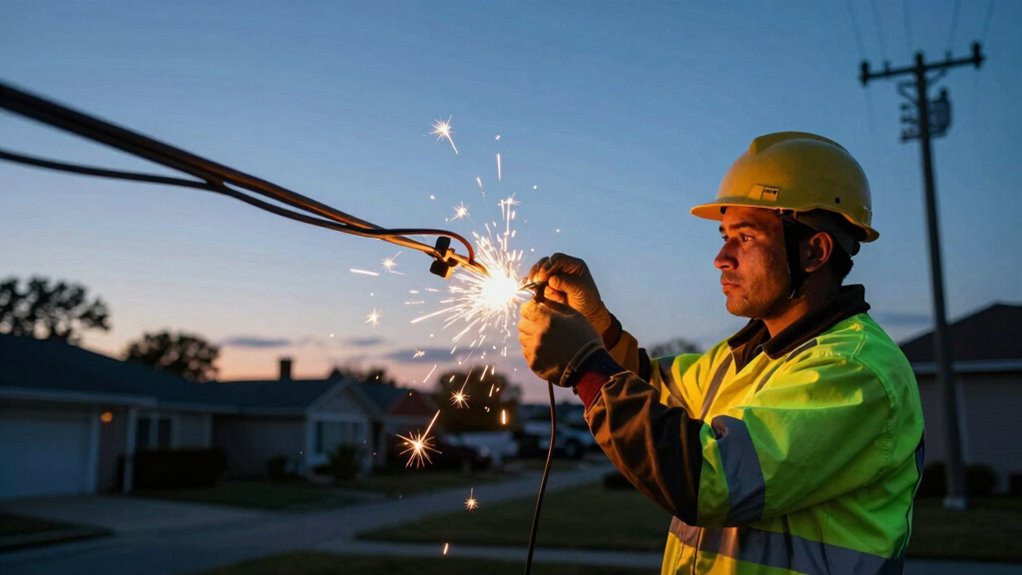
Backfeeding occurs when electricity flows from a generator or an alternative power source into the main electrical system of a building, often during a power outage. While it might seem like a way to keep your essential appliances running, it can pose serious dangers, especially if you’re not careful. One of the key risks is generator backfeed, which happens when the generator’s power unintentionally feeds back into the utility lines. This can happen if you connect your generator directly to your home’s outlets without proper transfer switches. When this occurs, electricity can travel through the lines and pose a threat to utility workers and linemen working to restore power. They might assume the lines are de-energized, only to be shocked or electrocuted by the backfed current. This scenario underscores the importance of understanding power line hazards associated with improper generator use.
Generator backfeed is particularly hazardous because it creates an unexpected and uncontrolled flow of electricity into the grid. If the generator isn’t connected through a transfer switch designed for this purpose, your home’s wiring can become a conduit for power to flow back into the utility lines. This backflow can energize power poles, transformers, and other infrastructure, creating a deadly environment for linemen. Power line hazards become even more dangerous during storms or outages when visibility is low, and workers are trying to quickly restore service. You might think your generator is safe, but if it’s not wired correctly, you’re inadvertently creating a serious risk for those working on the lines. Additionally, understanding power line hazards is crucial to prevent accidental injuries during emergency repairs.
To avoid these dangers, you must use a transfer switch installed by a qualified electrician. A transfer switch isolates your home’s electrical system from the utility grid, ensuring that power from your generator doesn’t flow back into the lines. Without this essential device, you’re risking not only your safety but also that of utility workers. Additionally, always follow the manufacturer’s instructions for your generator and never connect it directly to household outlets or power lines. Proper installation and adherence to safety protocols are your best defenses against generator backfeed incidents.
Frequently Asked Questions
How Common Are Backfeeding Accidents Among Linemen?
Backfeeding accidents among linemen are relatively rare but serious when they happen. You can minimize risks through proper remote switching procedures and thorough insulation testing before working on lines. Always double-check that circuits are de-energized and clearly labeled. Staying vigilant with these safety practices helps prevent dangerous backfeeding situations, protecting your life and ensuring the safety of everyone on the job.
What Are the Legal Consequences of Improper Backfeeding?
If you improperly backfeed, you could face serious legal liability, including fines or even criminal charges if someone gets hurt. Your insurance claims might be denied, leaving you financially responsible for damages or injuries. Employers could also pursue legal action for negligence. To avoid these consequences, always follow safety protocols and make sure proper procedures are followed. Staying compliant protects you from legal trouble and keeps everyone safe on the job.
Can Home Backup Generators Cause Backfeeding Hazards?
Imagine flipping a switch and unknowingly sending power the wrong way—like a river flowing backward. Home backup generators can cause backfeeding hazards if not properly managed. Generator safety is vital to prevent dangerous power flow, which can energize utility lines or harm linemen working on them. Always use transfer switches and follow safety guidelines to guarantee your generator doesn’t inadvertently backfeed, protecting everyone involved.
What Safety Gear Prevents Injuries During Backfeeding?
To prevent injuries during backfeeding, you should wear protective gloves and stand on insulated mats. Protective gloves provide a barrier against electrical shock, while insulated mats help prevent ground faults. Always verify your gear is rated for the voltage you’re working with, and double-check for any damage before use. Using this safety equipment keeps you safer and reduces the risk of dangerous electrical shocks while managing backfeeding situations.
How Can Homeowners Avoid Creating Backfeeding Risks?
Don’t put all your eggs in one basket by trying to power your home and grid simultaneously. Guarantee generator safety by always using proper circuit disconnects before connecting your generator to your house. This prevents backfeeding risks that could endanger linemen and your loved ones. Always follow manufacturer instructions and consult a professional if unsure. It’s better to be safe than sorry when dealing with electrical systems.
Conclusion
Remember, a simple mistake like backfeeding isn’t just an electrical error—it’s a potential killer. Think of it as a silent predator lurking behind your actions, waiting to strike when you least expect it. Stay alert, follow safety protocols, and never underestimate the power of electricity. Your vigilance is your shield against tragedy. Because in this dangerous dance with energy, one wrong move could be the last—don’t let it be yours. Stay safe, stay alive.