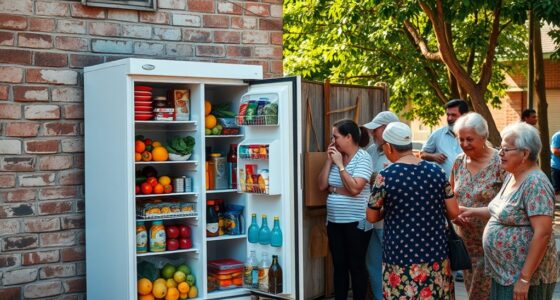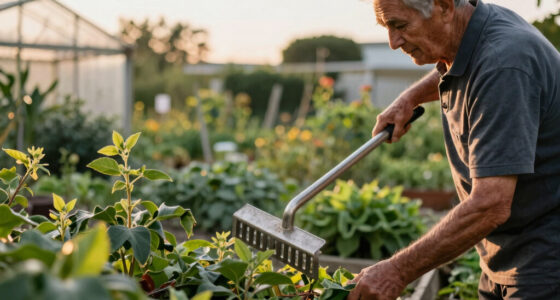
Placemaking is about transforming ordinary spaces into vibrant places that bring people together. When you focus on designing environments with intentional features like seating, lighting, and community art, you foster social interaction and a sense of belonging. Engaging residents and local stakeholders guarantees the space reflects community needs and builds pride. This collaborative process emphasizes human experience over mere functionality, creating inviting, accessible spaces that grow vibrant over time. Keep exploring to learn how these spaces truly come alive.
Open a free Amazon Business account
Business pricing, bulk buying and tax-exempt orders.
As an affiliate, we earn on qualifying purchases.
Key Takeaways
- Effective placemaking transforms simple spaces into vibrant community hubs through intentional design and community engagement.
- Involving residents and stakeholders ensures spaces reflect local character and foster ownership.
- Designing for social interaction with features like seating and lighting encourages community connection.
- Prioritizing human experience creates welcoming, accessible environments that enhance community vitality.
- Successful placemaking is a collaborative, ongoing process that adapts to community needs over time.
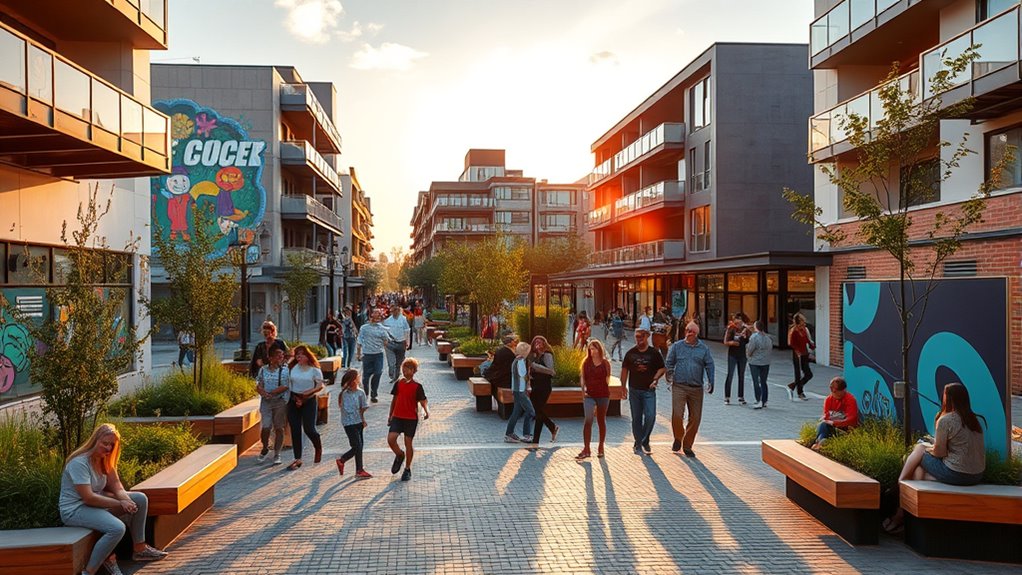
Have you ever wondered how a simple space transforms into a vibrant, meaningful community hub? It all begins with intentional urban design that considers the needs and desires of the people who will use it. When you approach a space with a focus on placemaking, you’re not just designing for aesthetics—you’re shaping environments that foster connection, activity, and a sense of belonging. This process involves understanding how people interact with their surroundings and creating a layout that encourages engagement and inclusivity. Urban design in placemaking goes beyond mere functionality; it emphasizes the importance of human experience, blending architecture, landscape, and infrastructure to craft spaces that feel welcoming and accessible. Incorporating versatility of hybrid bikes into urban mobility options can also enhance accessibility and encourage diverse community participation.
Community engagement plays a central role in this transformation. When you involve local residents, business owners, and visitors in the planning process, you ensure that the space truly reflects the community’s character and needs. Listening to their stories, ideas, and feedback helps shape a place that resonates on a personal level. It’s about more than just gathering input; it’s about fostering a sense of ownership and pride among those who will use the space daily. When people see their voices valued, they’re more likely to take care of the area and participate in its ongoing vitality.
Effective placemaking also relies on creating opportunities for social interaction. You want to design spaces where people can gather comfortably—whether it’s a park, a plaza, or a street corner. Incorporating features like seating, lighting, public art, and flexible spaces encourages spontaneous meetups and organized events alike. These elements serve as catalysts for community engagement, inviting residents to connect with each other and with their environment. As a result, the space becomes more than just a physical location; it turns into a place where stories unfold and relationships grow.
Ultimately, successful placemaking is a collaborative effort that combines thoughtful urban design with active community involvement. When you approach a space with this mindset, you’re not just creating a pretty environment—you’re cultivating a lively, inclusive community hub. The transformation is ongoing, requiring continuous input and adaptation, but the reward is a space that truly belongs to those who use it. By focusing on these principles, you help turn everyday places into vibrant centers of community life that foster connection, pride, and resilience.
outdoor community seating benches
As an affiliate, we earn on qualifying purchases.
As an affiliate, we earn on qualifying purchases.
Frequently Asked Questions
How Can Community Members Actively Participate in Placemaking Projects?
You can actively participate in placemaking projects by engaging in public engagement efforts, sharing your ideas, and attending community meetings. Collaborate with designers and other residents to shape the space, ensuring it reflects local needs and culture. Volunteer for planning activities or clean-up events, and promote the project within your network. Your involvement helps create welcoming, functional places that foster community pride and enhance the neighborhood’s overall vibe.
What Are Common Challenges Faced During Placemaking Initiatives?
You might face challenges like limited community engagement, which makes it hard to gather diverse input. Resource allocation can also be tricky, as funding and materials aren’t always enough to support your ideas. Balancing different stakeholders’ interests and managing expectations can cause delays. To overcome these, focus on transparent communication, build strong partnerships, and guarantee everyone feels included and heard throughout the process.
How Is Placemaking Funded and Sustained Over Time?
Funding and sustaining placemaking projects often depend on dynamic dollars from public-private partnerships and grant funding. You’ll want to develop diverse, dependable sources of support, combining grants with private investments to keep projects thriving long-term. By building strong relationships and leveraging local, state, and federal funds, you guarantee steady support. Consistent community engagement also helps maintain momentum, making your place not just a space but a vibrant, valued place over time.
Can Placemaking Be Applied in Rural or Underserved Areas?
Yes, placemaking can be applied in rural or underserved areas. You should focus on rural revitalization by engaging local residents and stakeholders to identify their needs and assets. Incorporate community-driven projects that foster a sense of ownership and pride. By involving underserved populations actively, you create meaningful spaces that reflect local culture and priorities, ultimately strengthening community bonds and improving overall quality of life.
What Are Successful Examples of Placemaking From Around the World?
You’ll find successful examples of placemaking worldwide, where urban design and cultural integration play key roles. In Copenhagen, public spaces blend modern design with local traditions, creating vibrant social hubs. In Medellín, innovative urban design revitalized neighborhoods, fostering community pride. These projects show how thoughtful placemaking celebrates culture and enhances urban environments, inspiring communities to transform spaces into meaningful places that promote connection, identity, and well-being.
Conclusion
You have the power to shape your community, to transform empty spaces into vibrant places, to foster connection and belonging. By embracing placemaking, you create environments that invite, inspire, and sustain. You design with intention, you build with purpose, and you nurture with care. So, take action, spark change, and turn your spaces into places where everyone feels welcome, engaged, and connected. Because when you make a place, you make a community worth living in.
Fall Picks
fall essentials
As an affiliate, we earn on qualifying purchases.