
TL;DR

Get garden gear delivered free with Prime
- Fast, free delivery on millions of items
- Prime Video, Amazon Music and more included
- Member-only deals all year
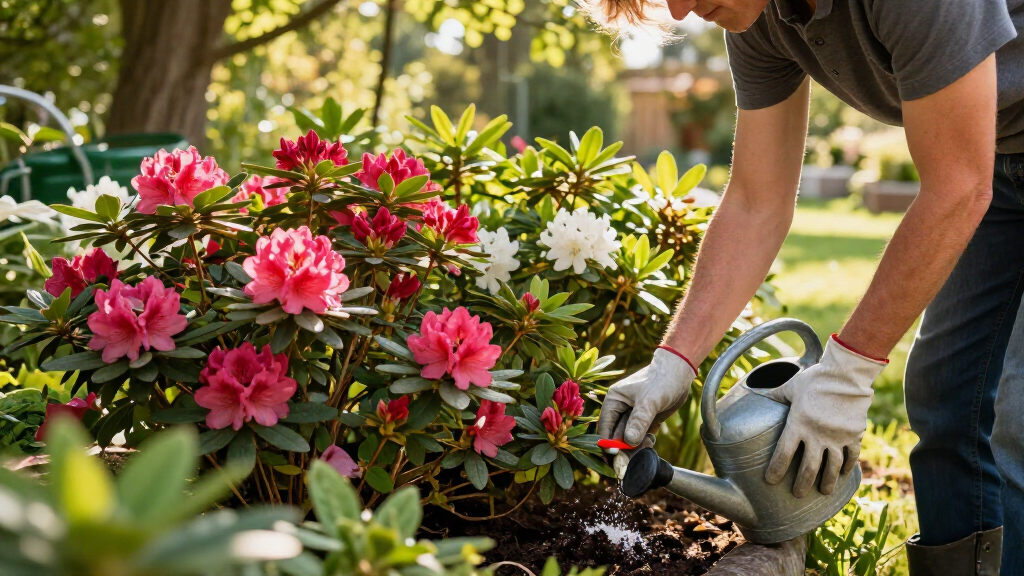
Garden experts recommend fertilizing azaleas and rhododendrons in late summer to maximize blooms next year. This practice supports healthy growth and flower production.
Garden experts confirm that applying fertilizer to azaleas and rhododendrons in late summer is essential for achieving maximum blooms next year. This targeted fertilization supports healthy growth and flowering potential, making it a key step for gardeners aiming for vibrant spring displays.
According to horticultural specialists, azaleas and rhododendrons benefit from a specific fertilization routine in late summer. Applying a balanced, acid-formulated fertilizer during this period supplies necessary nutrients that promote healthy root development and flower bud formation for the following season.
Experts emphasize that this practice should be done carefully, using fertilizers formulated for acid-loving plants, and following recommended application rates. This timing allows the plants to store energy and nutrients needed for robust blooms in spring.
While some gardeners have traditionally fertilized in early spring, recent advice suggests late summer as a critical window to enhance flowering potential, especially in regions with shorter growing seasons or unpredictable weather.
Why Late Summer Fertilization Significantly Boosts Blooms
This fertilization practice matters because it directly influences the number and size of blooms in the next flowering cycle. Proper late summer feeding helps azaleas and rhododendrons develop strong, healthy buds that will open in spring, resulting in more vibrant and abundant flowers.
For gardeners, this means a more impressive display with less guesswork, especially for those aiming to maximize visual impact in their gardens. It also supports overall plant health, reducing the risk of disease and stress during winter dormancy.
acid fertilizer for azaleas and rhododendrons
As an affiliate, we earn on qualifying purchases.
As an affiliate, we earn on qualifying purchases.
Late Summer Fertilization: The Growing Consensus Among Gardeners
Traditionally, azaleas and rhododendrons have been fertilized in early spring, but recent horticultural research and expert advice highlight late summer as a crucial period for feeding these plants. This shift is based on understanding the plants’ growth cycle and how nutrients influence flower bud development.
Experts from the American Horticultural Society and local extension services have increasingly recommended late summer fertilization, especially with acid-based fertilizers suited for these species. This approach aligns with the plants’ natural growth patterns and helps ensure a more reliable flowering season.
Previous practices often overlooked this timing, leading to less vigorous blooms or uneven flowering. Current guidance aims to optimize flowering potential by aligning fertilization with the plants’ physiological needs.
Remaining Questions About Optimal Fertilizer Types and Application Rates
While experts agree on the importance of late summer fertilization, specific details about the ideal fertilizer formulation, application rates, and frequency remain somewhat uncertain. Different regions and soil conditions may require tailored approaches, and ongoing research is evaluating these variables.
Additionally, some gardeners worry about over-fertilizing or damaging the plants, and precise guidelines are still being refined to prevent such issues.
Further Research and Regional Guidelines for Best Results
Researchers and horticultural organizations plan to develop more detailed, region-specific guidelines for late summer fertilization. Gardeners should stay informed through local extension services and reputable gardening resources for updates.
In the coming seasons, more precise recommendations on fertilizer types, amounts, and timing are expected to become available, helping gardeners optimize flowering while maintaining plant health.
Key Questions
When is the best time to fertilize azaleas and rhododendrons in late summer?
The ideal time is typically in late July to early August, depending on your local climate and plant growth stage.
What type of fertilizer should I use for late summer feeding?
Use a balanced, acid-formulated fertilizer designed for azaleas and rhododendrons, such as those labeled for acid-loving plants.
Can I over-fertilize, and what are the risks?
Yes, over-fertilizing can lead to excessive foliage growth at the expense of flowers and may increase disease risk. Follow recommended application rates carefully.
Will fertilizing in late summer affect the plant’s winter hardiness?
Proper fertilization supports overall health and can enhance winter resilience, but excessive fertilization may stress the plant. Use appropriate amounts and avoid overfeeding.
Is this fertilization practice suitable for all regions?
Most regions benefit from late summer fertilization, but local climate and soil conditions may influence timing and fertilizer choice. Consult local extension services for tailored advice.
Source: rss
Halloween Picks
halloween
As an affiliate, we earn on qualifying purchases.