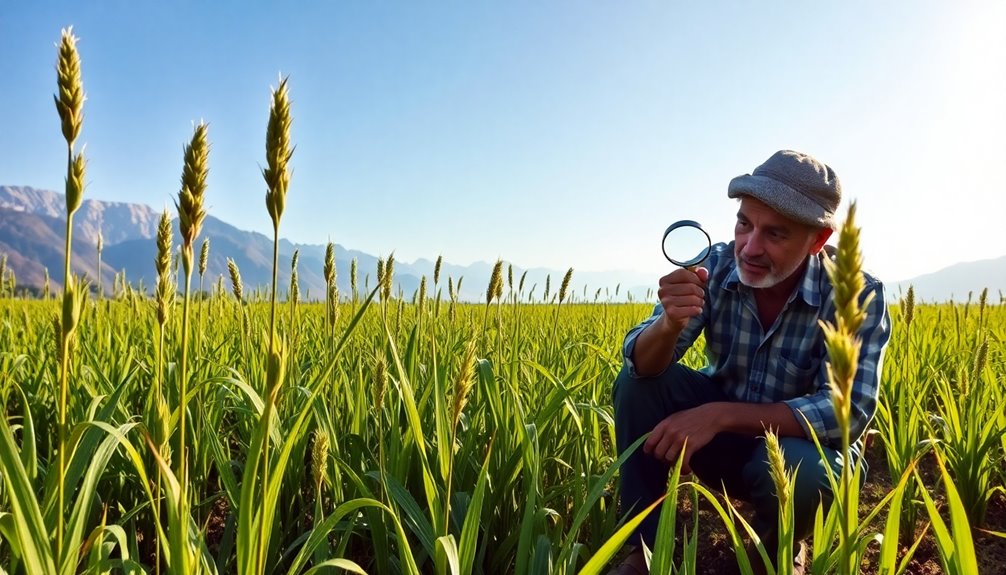

Assessing the production and potential value of industrial hemp in Nepal reveals its transformative power for rural economies. Historically significant, hemp cultivation can provide stable employment and enhance livelihoods. The current legal landscape is unclear, which poses challenges for farmers. However, with proper advocacy for policy reforms and market connection improvements, you can unlock its economic and environmental benefits. There's much more to discover about how revitalizing this sector can benefit communities and the environment.

Get garden gear delivered free — and shop member deals
- Fast, free delivery on millions of items
- Access to Prime Big Deal Days deals on October 6–7
- Prime Video, Amazon Music and more included
Key Takeaways
- Historical cultivation of hemp in western Nepal highlights its potential for revitalizing local economies and cultural significance.
- Ambiguous legal frameworks create challenges for farmers, necessitating clearer policies to promote legal hemp production.
- The value chain dynamics show a need for improved connections among producers, middlemen, and traders to maximize economic benefits.
- Hemp's drought resistance and eco-friendly products can contribute to sustainable agriculture and environmental health.
- Advocacy for legal reforms and market integration can unlock significant economic growth in Nepal's hemp industry.
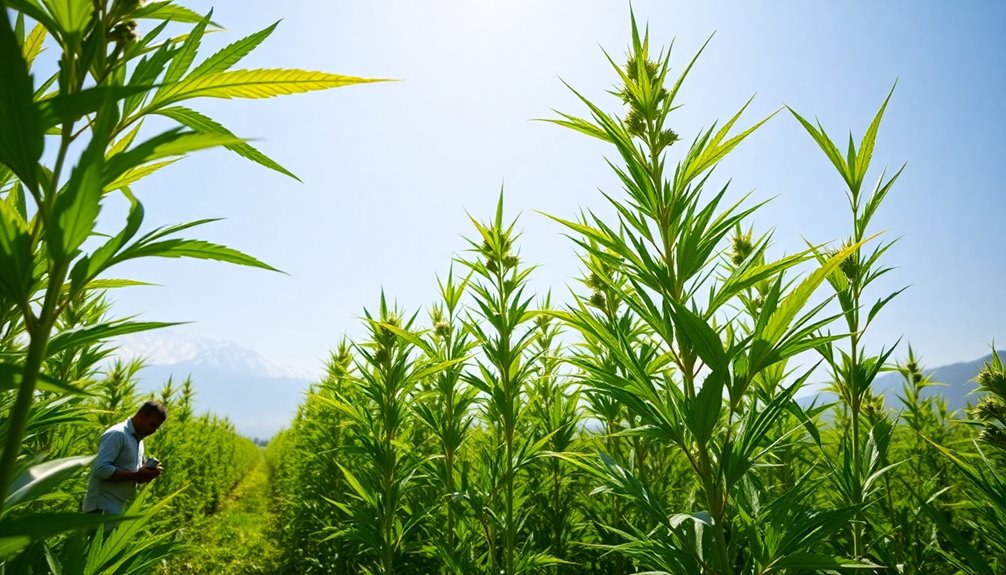
Industrial hemp has the potential to transform Nepal's rural economy, especially in the western regions where it's traditionally cultivated. Historically, hemp thrived in these areas before the 1973 ban, playing a vital role in the livelihoods of local communities.
Industrial hemp could revitalize Nepal's rural economy, particularly in its western regions, where it once flourished.
As you explore the current landscape, you'll notice the legal framework surrounding hemp cultivation remains ambiguous, with many farmers operating illegally. This creates both challenges and opportunities for those willing to navigate the complexities.
As a primary producer, you could engage in the cultivation, collection, and processing of hemp. The value chain begins with villagers like you, who grow the crop and often sell to middlemen and traders. They transport your processed yarn to larger cities, where manufacturers weave it into fabric and assemble various products. Identifying four key nodes in the Nepalese hemp value chain can help you understand the roles of each actor involved.
However, the lack of interconnectedness between these actors means you might struggle to maximize the benefits from your hard work.
Hemp offers significant economic potential, providing stable employment opportunities for rural farmers. To fully harness this potential, you'll need to develop strong market connections. Improving key areas like harvesting and processing can lead to better value addition and increase your competitiveness in the global market, especially against established exporters like China.
Addressing these bottlenecks could spur significant growth in the sector.
Beyond economic benefits, hemp cultivation is environmentally sustainable. It's drought-resistant, requires less water than traditional crops, and helps improve soil health. Moreover, hemp products like hempcrete are carbon-negative, making them an eco-friendly choice.
By minimizing your use of chemicals, you can further enhance the sustainability of your farming practices.
As you consider the future of industrial hemp in Nepal, advocating for clearer policies and legal reforms can help integrate hemp into the economy effectively. With the right approach, you can contribute to a thriving industry that supports both the environment and local communities.
As an affiliate, we earn on qualifying purchases.
Frequently Asked Questions
What Are the Environmental Benefits of Growing Industrial Hemp in Nepal?
Growing industrial hemp in Nepal offers significant environmental benefits.
You'll notice it requires less water, pesticides, and fertilizers than traditional crops, promoting sustainability.
Its deep roots help restore soil health while sequestering more CO2 than many crops, aiding in climate change efforts.
How Does Industrial Hemp Cultivation Affect Local Economies in Nepal?
Imagine planting seeds of opportunity in the fertile soil of Nepal.
As you cultivate industrial hemp, you're not just growing a crop; you're sowing the future of local economies.
With potential profits soaring, you create jobs and boost rural incomes, transforming lives.
Your efforts empower communities, providing alternative livelihoods and enhancing economic stability.
What Challenges Do Farmers Face When Growing Industrial Hemp in Nepal?
When growing industrial hemp in Nepal, you face several challenges.
Regulatory hurdles classify hemp alongside marijuana, limiting your ability to cultivate legally.
You also deal with environmental factors like soil quality and water scarcity, which can impact crop success.
Additionally, pest management can be difficult due to limited resources.
Cultural stigma surrounding hemp may affect community support, making it harder for you to foster acceptance and promote its benefits effectively.
Are There Specific Regulations for Industrial Hemp Production in Nepal?
Yes, there are specific regulations for industrial hemp production in Nepal.
You need to know that hemp cultivation is illegal unless you meet certain conditions and obtain government permission.
The proposed Cannabis Cultivation Act sets a THC limit of 0.2% for hemp crops.
This creates confusion for farmers, as they navigate the legal landscape while trying to cultivate this versatile plant.
Understanding these regulations is crucial for anyone interested in hemp farming in Nepal.
What Are the Potential Export Markets for Nepalese Industrial Hemp Products?
Did you know that Nepalese hemp products are exported to over 70 countries worldwide? This opens up a wealth of potential export markets for you.
Beyond established importers like India and Russia, consider tapping into the Canadian health food market for hemp seeds and the growing global demand for sustainable products.
Emphasizing eco-friendliness and diversifying your product offerings can further enhance your appeal in these emerging markets.
Conclusion
So, if you ever thought growing industrial hemp in Nepal was just a pipe dream, think again! With the right policies and a touch of innovation, you could turn those green fields into a gold mine. Who knew that a plant could spark economic growth, create jobs, and even help the environment? Maybe it's time to swap out those rice paddies for hemp fields—after all, the only thing better than a rice farmer is a hemp farmer with a sense of humor!
Fall yard work Picks
leaf blowers
As an affiliate, we earn on qualifying purchases.