TL;DR
A Grow Organic guide explains that sphagnum peat moss can help retain moisture in seed-starting and container mixes, but it supplies few nutrients and is usually acidic. The guide advises gardeners to test soil, use peat for a defined purpose and consider alternatives such as coir, composted bark or wood fiber.
Grow Organic’s guide to sphagnum peat moss says the material can help seed-starting and container mixes hold moisture, but it is not plant food or a fix for every soil problem. The report urges home gardeners to match amendments to a specific need, check the finished mix and weigh peat’s growing properties against the environmental effects of harvesting.

Get garden gear delivered free with Prime
- Fast, free delivery on millions of items
- Prime Video, Amazon Music and more included
- Member-only deals all year
Peat forms as plant remains accumulate and decay slowly in wet, low-oxygen conditions, a process that can take thousands of years. The sphagnum peat sold for gardening is usually partly decayed moss from peatlands, dried and compressed for sale. Grow Organic distinguishes this material from living or dried long-fiber sphagnum moss, which is a different product and may be used for orchids or air-layering.
The guide describes peat’s main practical use as water retention. It can help sandy soil or container blends hold moisture, while coarse ingredients such as perlite can contribute air space. But peat does not supply enough nutrients for plant growth, and a mix that stays soggy can still deprive roots of oxygen. Packaged peat often has few weed seeds, the guide says, but gardeners should not assume every product is sterile.
Unamended sphagnum peat is acidic, often around pH 3.8 to 4.5. Some finished potting mixes include lime to adjust acidity for intended plants. The final pH depends on the other ingredients, the original soil and irrigation water, so the report recommends testing rather than adding peat repeatedly as a treatment for alkaline soil. It also advises dampening dusty peat and working with ventilation.
Choosing Amendments for Root Health
The guide’s central point is that an amendment should solve a defined growing problem, not be added by default. Peat may suit a container blend that dries too quickly, but the same moisture-retaining quality can be a poor fit where drainage is already limited. A plant’s needs for water, air and pH should shape the mix.
That choice can affect both plant care and resource use. The report says peatlands store carbon and support specialized habitats, and that harvesting disturbs those systems. Because peat forms so slowly, it cannot be treated as renewable on a human timescale. Gardeners weighing products can compare coconut coir, mature compost, composted bark and wood fiber, while recognizing that alternatives also have differences in quality, processing and transport.
Popular right now

Roborock F25 XT Cordless Wet-Dry Vacuum Mop

Breville Bambino Espresso Machine, Brushed Stainless Steel (BES450BSS)

Dyson Car+Boat Cordless Handheld Vacuum
As an affiliate, we earn on qualifying purchases.
Peat’s Place in Garden Mixes
Peat and compost are both organic materials, but they are not interchangeable. Compost comes from managed decomposition of materials such as leaves and plant scraps; the guide says its nutrient levels and physical properties differ from peat. For improving ordinary garden beds, it describes mature compost as often more useful, while emphasizing that the right choice depends on soil conditions and the goal.
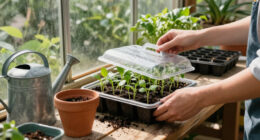
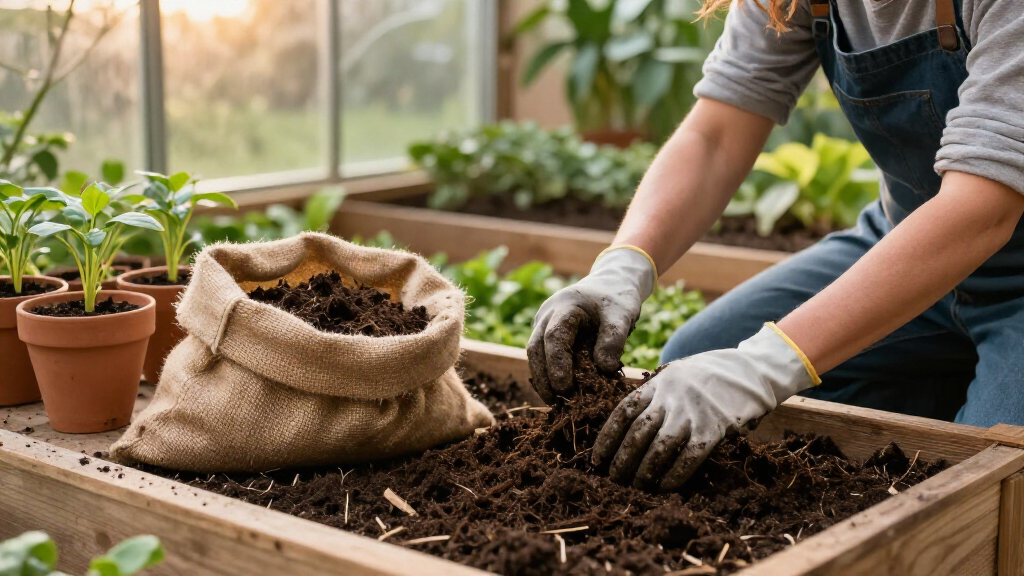
There is no universal amount of peat for every garden. A container recipe cannot simply be transferred to a garden bed, where soil texture and drainage vary. Grow Organic recommends starting with a soil test and a clear moisture goal. For a new container blend, gardeners can moisten dry peat gradually, break up clumps and test a small pot to see whether water spreads evenly and drains through the holes.
The guide also cautions that peat can become difficult to wet after drying out, especially if left as a dry surface layer. A peat-heavy mix may affect both moisture retention and pH, and bagged potting soil may already contain peat. Gardeners should check product labels before adding more, and keep in mind that neither peat nor compost corrects standing water, poor grading or compacted subsoil on its own.
What Depends on the Growing Mix
The source does not provide a publication date, product-specific testing or a single recommended recipe. It also does not establish that one alternative is preferable for every gardener: coir quality, salt content, processing and transport can vary, and the appropriate medium depends on the crop and local conditions.
Gardeners cannot determine the right peat proportion or its effect on final soil pH from the material alone. Those outcomes depend on the starting soil, other mix ingredients, water and plant requirements. The guide recommends testing and a small trial rather than treating a general rate as reliable for every setting.
Test Before Changing the Blend
Before using peat, gardeners should identify whether the actual issue is fast drying, poor drainage, soil acidity or another condition. The guide recommends testing garden soil, checking labels and starting with a small batch. For containers, water a trial pot and observe how evenly the mix wets and how quickly excess water drains.
After blending, growers still need to provide an appropriate feeding plan because peat is not a complete source of plant nutrients. They can compare peat with coir, composted bark, mature compost or wood fiber according to the plant and growing setup. The source gives no formal follow-up date or new policy milestone; its practical next step for readers is to test the mix and select materials for a specific purpose.
Key Questions
What does peat moss do in a garden mix?
Peat moss helps retain water in some soils and container blends. It does not provide enough nutrients for plant growth, and a peat-heavy or poorly drained mix can leave roots short of oxygen.
Is sphagnum peat moss the same as sphagnum moss?
No. Peat moss is partly decayed sphagnum plant material, usually dried and compressed. Horticultural sphagnum moss may be sold as living plants or dried, long fibers; those materials have different uses and are not always interchangeable.
How much peat moss should I add?
There is no universal amount. The right proportion depends on the existing soil or mix, drainage, other ingredients and plant needs. Test garden soil and try a small container batch before making a larger blend.
What are alternatives to peat moss?
Options include coconut coir, mature compost, composted bark and wood fiber. Each has tradeoffs, so compare product quality and suitability for the crop rather than assuming any alternative works in every mix.
Does peat moss make soil acidic?
Unamended sphagnum peat is usually acidic, with the source giving a typical range of pH 3.8 to 4.5. The final pH of a garden bed or potting blend depends on its other ingredients and water, so test before trying to adjust it.
Source: groworganic.com