TL;DR
An Amateur Gardening report suggests that choices such as a closely maintained lawn, naturalistic planting, vegetable beds or containers can reflect what gardeners value. These are interpretations, not personality tests: a garden’s style alone cannot establish an owner’s character.
An Amateur Gardening report describes how choices ranging from immaculate lawns to wildflower borders and vegetable beds may reflect what people want from their outdoor space. The report presents these connections as clues to priorities—not as a way to determine someone’s personality from their garden.

Get garden gear delivered free with Prime
- Fast, free delivery on millions of items
- Prime Video, Amazon Music and more included
- Member-only deals all year
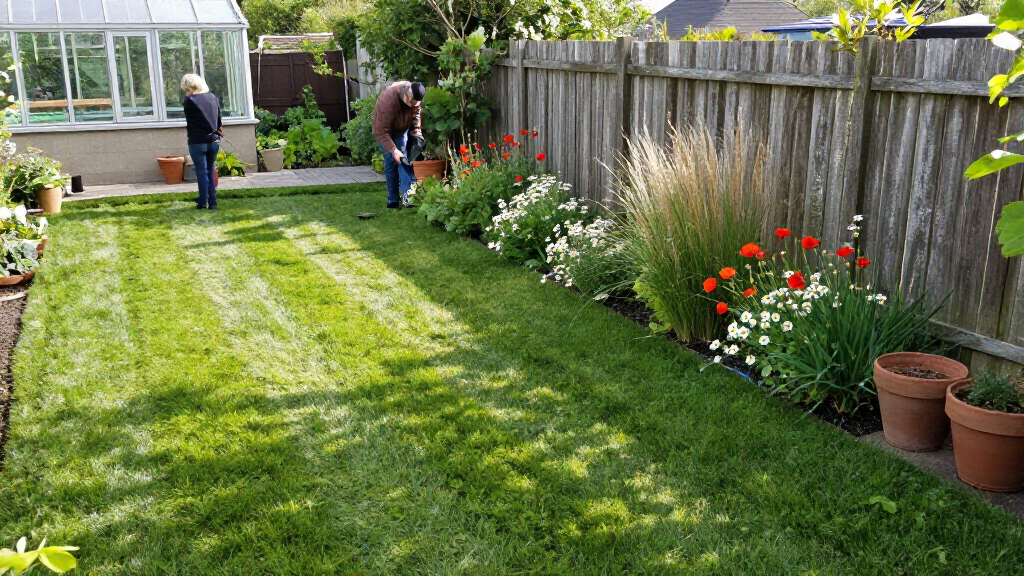
The report groups gardens by their main features and the uses owners may value. A formal, carefully maintained space can appeal to people who enjoy order and a polished finish, while naturalistic planting may suit gardeners who want to make more room for wildlife and seasonal change. Neither style is simply effortless: neat lawns and borders need regular attention, and naturalistic schemes also involve considered choices about plants and how they grow together.
Vegetable beds, fruit trees and herb pots make a garden a source of homegrown food, as well as a place to experiment with varieties that may be hard to find in shops. A broad lawn, by contrast, can provide an open surface for children, pets or relaxation. The report cites landscape designer Michael Cook’s advice to give grass a particular function rather than treating it as an automatic feature.
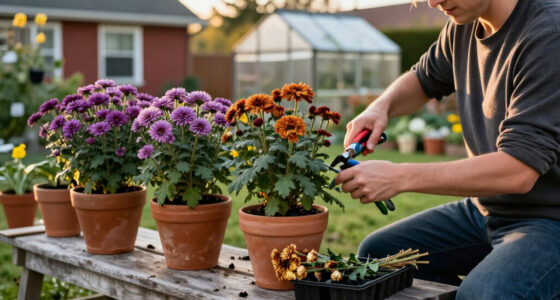
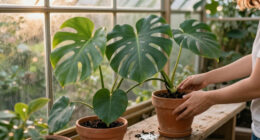
Containers offer another approach, particularly where ground space is limited. Pots and window boxes can bring plants to balconies, patios and small outdoor areas, with arrangements changed as plants or seasons change. The report draws on gardener Christie Purifoy’s account of growing plants on a Chicago apartment balcony, though the supplied material does not include the full account.
Garden Choices Reflect Daily Priorities
The report’s practical value lies less in assigning personality labels than in prompting gardeners to ask how they want to use their space. Someone who wants room to play may need an open lawn; someone focused on harvest may prefer beds or edible containers. Those needs can guide design decisions more usefully than trying to fit a garden owner into a fixed type.
Choices also have consequences beyond appearance. The report notes that conventional turf can require frequent watering and fertilizer, and that some gardeners replace part of a lawn with clover or native ground covers. A varied planting can provide food and shelter for pollinators and other wildlife, while standing grasses and seed heads can offer insect habitat through winter. These considerations make the subject relevant to household budgets, maintenance time and local wildlife, not just personal taste.
At the same time, the suggested personality connections should be treated as interpretation rather than evidence-based diagnosis. A tidy garden may reflect time, access or local conditions; a container garden may be a response to living in an apartment. The report itself cautions that planting schemes cannot tell readers everything about the person behind them.
Popular right now

LG OLED evo C4 55-Inch 4K Smart OLED TV (OLED55C4PUA) with 144Hz Refresh Rate, HDMI Cable, 24-Month Protection Plan, and Streaming Bundle

Samsung 65-Inch 4K OLED Smart TV with Dolby Atmos, 120Hz Refresh Rate, and Amber Protection Bundle

Shark PowerPro Reveal Plus Cordless Stick Vacuum, Charcoal (IZ376H)
As an affiliate, we earn on qualifying purchases.
Five Styles, Different Uses
The report outlines five broad garden approaches. Formal gardens use defined borders, repeated shapes and coordinated planting. The report quotes designer Timothy Corrigan, who said some clients were showing increased interest in formal elements during a period when people felt overwhelmed and wanted order. That observation is attributed to Corrigan through an interview with ELLE Decor; it is not presented as a survey of all gardeners.
Naturalistic gardens may look informal but are planned around plant height, texture, flowering times and compatibility. Dutch designer Piet Oudolf, known for this style, told PIN–UP in a 2025 interview that his gardens were “composed, like music.” Edible gardens put harvest at the centre, while lawns can serve as recreation space or a visual frame. Containers, meanwhile, extend gardening to places without usable soil.
The examples also show that the categories can overlap. Leafy greens and colorful vegetables can be planted among ornamentals, and a garden can combine a small lawn with wildlife-friendly borders or pots. The report presents these styles as ways to think about design priorities, not mutually exclusive identities.
““In this period when we’re feeling so overwhelmed by the world around us, we are craving that sense of order and structure.””
— Garden designer Timothy Corrigan, quoted by ELLE Decor
Personality Links Are Not Proof
The report offers suggested associations, not research establishing personality types from garden design. It does not provide a study, sample size or measurements showing that owners of particular garden styles share specific traits. Its claims about what a garden may indicate should be read as interpretive observations, and an individual’s reasons may differ from the patterns described.
The supplied material also ends partway through the section on container gardening. It gives no complete account of Purifoy’s experience or further details on how the report develops that example. No information was provided on whether the report includes additional evidence or responses from researchers.
Use the Space You Have
The report does not announce a formal follow-up or a new research project. Its practical takeaway is to decide what a garden needs to do before choosing its features: make space for play, produce food, support wildlife, create a tidy setting or work within limited ground area. Gardeners can then combine approaches—for example, keeping a smaller lawn for recreation while using the remaining space for flowers, vegetables or containers.
For readers considering changes, the next step is to match planting and maintenance to the site and intended use. The report notes that lawns may require regular watering and fertilizer, while naturalistic planting still needs planning. The supplied article does not set out a specific timetable, cost comparison or planting prescription.
Key Questions
Can a garden reveal someone’s personality?
Not reliably on its own. The report suggests that a garden may offer clues to its owner’s priorities, but it says a planting scheme cannot tell you everything about a person. It provides no personality test or research establishing a direct link.
Does a wild-looking garden require no work?
No. The report says naturalistic gardens can require careful planning around plant height, texture, flowering times and which plants will thrive together. Their informal appearance does not mean they were left entirely to grow without direction.
What is a lawn useful for?
A lawn can provide space for children or pets, a place to relax, or an open area that frames other plantings. The report quotes designer Michael Cook advising homeowners to decide what function they want grass to serve.
Can a small balcony still be a garden?
Yes. The report describes pots and window boxes as ways to grow plants on balconies, patios and other limited spaces. Containers can also be rearranged as plants grow or seasons change.
Are the report’s personality descriptions backed by a study?
The supplied material gives no study or survey testing whether garden styles correspond to particular personality traits. The descriptions are presented as possible clues to priorities, not proven conclusions about owners.
Source: amateurgardening.com