
TL;DR
A Country Living guide describes 12 common types of squash, separating them into winter and summer varieties and offering cooking suggestions for each. The practical distinctions include winter squash’s hard rind and longer storage life, compared with summer squash’s tender texture and shorter keeping time.
Country Living has published a guide to 12 common types of squash, outlining how their textures, rinds and storage lives affect cooking. The report groups the varieties into winter and summer squash and offers preparation ideas, from roasting and stuffing to soups, pasta and baking.

Get garden gear delivered free with Prime
- Fast, free delivery on millions of items
- Prime Video, Amazon Music and more included
- Member-only deals all year
The guide’s central distinction is seasonal and practical. Summer squash is harvested in warm-weather months and does not keep for long, Josh Kirschenbaum, a vegetable account manager at PanAmerican Seed, says in the report. Winter squash is harvested in fall and has a hard rind that allows it to store for months. These categories do not prescribe a single cooking method: the guide matches preparation to each squash’s flavor and texture.
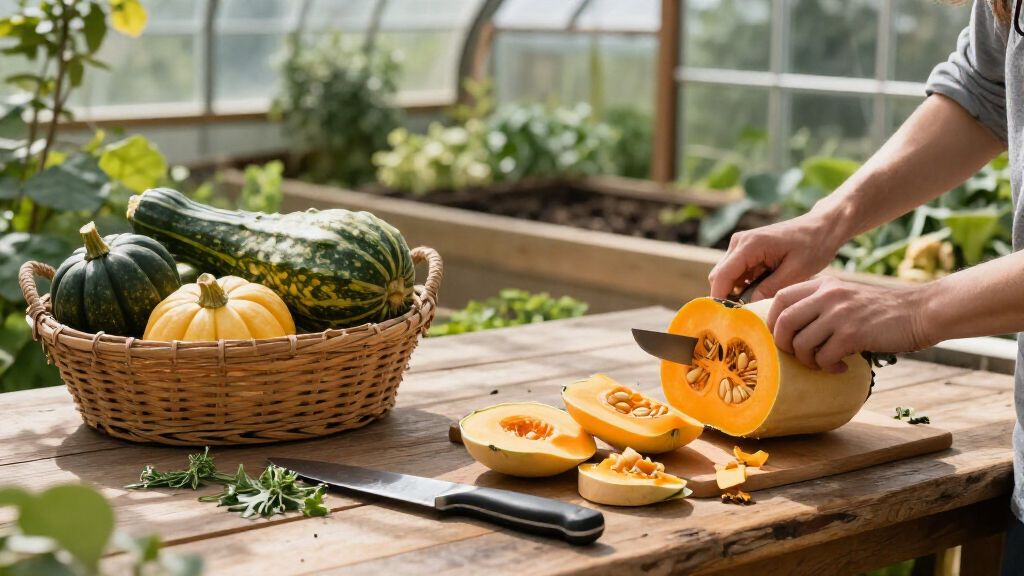
Among the winter varieties, acorn squash is suited to baking or stuffing; the report says its skin can be eaten after baking or roasting. Butternut can be roasted with its skin on, while peeling is advised when it is destined for soup or mash. Buttercup squash can be baked and mashed into a side dish or pasta sauce, and the sweet, tender Honeynut can be halved and roasted with butter and herbs.
The guide also recommends roasting delicata squash, whose tender rind is edible, and baking or steaming kabocha for soup or a preparation with miso and butter. For pumpkin dishes, it advises choosing a sugar or pie pumpkin rather than assuming decorative carving varieties will taste good. Cooked spaghetti squash can be scraped into strands and served with sauce. For summer squash, the excerpt covers zucchini, which can be grilled, sautéed, baked into quick bread or grated and frozen for later use.
Choosing Squash for the Dish
The guide’s value is practical: rind, sweetness, texture and storage can change how a squash works in a recipe. Knowing that delicata skin is tender enough to eat, for example, can simplify preparation, while the recommendation to peel butternut for soup gives cooks a clear choice based on the finished dish.
Storage differences also matter for planning meals and gardens. The report says winter varieties generally keep longer, while summer squash should be used sooner and picked while small and tender. The cooking suggestions connect those differences with familiar uses, helping readers select a variety for a specific meal rather than treating all squash as interchangeable.
Popular right now

Shark PowerPro Reveal Plus Cordless Stick Vacuum, Charcoal (IZ376H)

Bose QuietComfort Wireless Noise-Cancelling Headphones, Twilight Blue

Bose QuietComfort Ultra Headphones (2nd Gen), Wireless Noise-Cancelling Over-Ear Headphones, Driftwood Sand
As an affiliate, we earn on qualifying purchases.
Winter and Summer Squash
The source describes winter squash as hard-rinded varieties harvested in fall and able to keep for months. It also offers general growing guidance: vines may spread widely, and winter squash is ready to harvest when its rind cannot be pierced with a thumbnail, around the time vines and leaves wither or after a light frost.
Summer squash plants are described as bushier and generally less sprawling, though they still need room. The report recommends picking summer squash while fruits are small and tender; larger fruits can become tough and seedy. It also says continued picking helps maintain the harvest. These are broad gardening observations in the source, not a detailed growing calendar for a particular climate.
Limits of the Squash Guide
The supplied source excerpt does not provide a publication date, independent testing or detailed recipe instructions, cooking times and temperatures. Its list includes several named types, but the excerpt ends partway through its zucchini section, so the summer-squash coverage available here is incomplete; it does not establish what the full article says about every variety in its headline.
Storage and growing advice is presented in general terms. The source does not specify how long every variety keeps under particular conditions or how recommendations vary by climate, harvest maturity or storage setup. Readers should not interpret the broad descriptions as guarantees for each cultivar.
Using the Guide in the Kitchen
The report points readers toward choosing a squash based on the dish: roast or stuff acorn, puree buttercup, use kabocha in soup, or scrape cooked spaghetti squash into strands. For summer squash, its available zucchini advice includes grilling, sautéing and baking, with grated zucchini frozen for later recipes.
No follow-up announcement or additional reporting is identified in the supplied material. The immediate next step for readers is to check the full source for its complete summer-squash list and recipe details, then adapt cooking and storage choices to the specific variety they have.
Key Questions
What is the difference between winter and summer squash?
According to the Country Living report, summer squash is harvested in warm weather and does not store for long. Winter squash is harvested in fall and has a hard rind that can help it keep for months.
Can you eat squash skin?
The guide says acorn and delicata squash skin can be eaten when cooked. It also says roasted butternut skin is edible, but recommends peeling butternut for soup or mash.
Which pumpkin should I use for pie?
The report recommends a sugar pumpkin, also called a pie pumpkin. It cautions that many pumpkins grown for carving or display are not particularly tasty.
How should zucchini be cooked?
The excerpt suggests grilling or sautéing zucchini, baking it into quick bread, or using it in a savory galette. It also describes grating and freezing extra zucchini for later recipes.
Source: countryliving.com