
The best ornamental grasses combine garden impact with a size, planting format, and care routine that suit your space. My best overall pick is Karl Foerster Feather Reed Grass, a live plant that offers upright structure without the uncertainty of starting from seed. Flame Grass stands out for seasonal color, while Blue Fescue seeds are a compact option for gardeners who want to try a smaller-scale planting. The main tradeoffs are immediate impact versus lower-cost seed starting, and dramatic mature size versus manageable growth. Read on for the full breakdown of all 14 options and a guide to choosing the right grass for your garden.

Get garden gear delivered free with Prime
- Fast, free delivery on millions of items
- Prime Video, Amazon Music and more included
- Member-only deals all year
Complete the kit


Key Takeaways
- Live plants offer a clearer path to garden structure: Karl Foerster, Flame Grass, and the other plug or potted options avoid the longer establishment stage associated with seed.
- Seed quantities do not guarantee a finished planting: The pampas and Purple Love Grass seed listings provide many seeds, but germination and establishment affect how much coverage you ultimately get.
- Color and form point to different uses: Blue Fescue suits a compact look, while fountain grasses, Flame Grass, and Pink Muhly offer more conspicuous seasonal color or plumes.
- Species choice matters more than pack size: Pampas, Miscanthus, and Deer Grass can become substantial landscape plants, so available space and local growing conditions should guide selection.
- The strongest picks balance a distinct garden role with a practical starting format: Karl Foerster ranks ahead for dependable structure, while the more specialized seed mixes and colorful grasses fit narrower goals.
| 7 Miscanthus sinensis ‘Gracillimus’ Starter Plugs, Maiden Grass Live Plants |  | Best for Borders and Screens | Botanical name: Miscanthus sinensis ‘Gracillimus’ | Common name: Maiden Grass | Plant type: Perennial ornamental grass | VIEW LATEST PRICE | See Our Full Breakdown |
| Karl Foerster Feather Reed Grass Live Plant, 1-Gallon Pot |  | Best for Upright Structure | Scientific name: Calamagrostis × acutiflora ‘Karl Foerster’ | Plant type: Perennial, cool-season ornamental grass | Pot size: 1 gallon | VIEW LATEST PRICE | See Our Full Breakdown |
| 200 White Pampas Grass Seeds, Perennial Ornamental Heirloom Grass |  | Best for Growing White Plumes from Seed | Plant type: Perennial ornamental grass | Seed quantity: 200 | Plume color: White | VIEW LATEST PRICE | See Our Full Breakdown |
| Rainbow Grass Mix: Five Colorful Ornamental Grass Live Plugs |  | Best for Color and Variety | Plant type: Live rooted starter plugs | Varieties: First Knight Fountain Grass, Blue Heaven Little Bluestem, Pink Muhly Grass, Dwarf Zebra Miscanthus, Red October Big Bluestem | Sunlight: Full sun | VIEW LATEST PRICE | See Our Full Breakdown |
| Blue Fescue Ornamental Grass Seeds, 50+ Seeds |  | Best Compact Grass from Seed | Plant type: Perennial ornamental grass | Seed count: 50+ | Height: 10–12 inches | VIEW LATEST PRICE | See Our Full Breakdown |
| Red Fountain Grass Live Plants (Pack of 2) – Pennisetum setaceum Rubrum |  | Best for Dramatic Containers | Species: Pennisetum setaceum ‘Rubrum’ | Quantity: 2 starter plants | Starter plant height: 5–9 inches | VIEW LATEST PRICE | See Our Full Breakdown |
| Purple Fountain Grass Live Plants, 2-Pack |  | Best for Flexible Planting | Quantity: 2 plants | Plant type: Perennial ornamental grass | Sunlight: Full sun | VIEW LATEST PRICE | See Our Full Breakdown |
| Purple Love Grass (Eragrostis spectabilis) Live Plant Plugs, 5 Plants |  | Best Compact Native Planting | Botanical name: Eragrostis spectabilis | Quantity: 5 live starter plugs | Mature size: 1–2 feet tall and wide | VIEW LATEST PRICE | See Our Full Breakdown |
| Outsidepride Purple Love Grass (Eragrostis spectabilis) Perennial Ornamental Grass Seeds, 500 Count |  | Best for Growing from Seed | Scientific name: Eragrostis spectabilis | Seed count: 500 | USDA hardiness zones: 5–10 | VIEW LATEST PRICE | See Our Full Breakdown |
| Flame Grass (Miscanthus sinensis ‘Purpurascens’) Live Starter Plug |  | Best for Fall Color and Screening | Botanical name: Miscanthus sinensis ‘Purpurascens’ | Quantity: 1 live starter plug | Plant type: Perennial ornamental grass | VIEW LATEST PRICE | See Our Full Breakdown |
| 3 Deer Grass Live Plants (Muhlenbergia rigens), 2.5-Inch Cubes |  | Best for Year-Round Structure | Plant count: 3 | Plant size: 2.5-inch cubes | Scientific name: Muhlenbergia rigens | VIEW LATEST PRICE | See Our Full Breakdown |
| 1000+ Mix Pampas Grass Seeds for Planting, Cortaderia selloana, Heirloom Ornamental Grass |  | Best for a Mixed-Color Pampas Display | Seed count: 1,000+ | Plant type: Pampas grass (Cortaderia selloana) | Color: Mix | VIEW LATEST PRICE | See Our Full Breakdown |
| KVITER White Pampas Grass Seeds, 1,000 Count (Cortaderia selloana Alba) |  | Best for a Tall White Screen | Seed count: 1,000 | Plant type: Pampas grass (Cortaderia selloana Alba) | Color: White | VIEW LATEST PRICE | See Our Full Breakdown |
| 2 Pink Muhly Grass Live Plants, 4–7 Inches Tall |  | Best Compact Live Starter | Plant count: 2 | Plant height: 4–7 inches | Color: Pink | VIEW LATEST PRICE | See Our Full Breakdown |
| ornamental grasse | Sunlight | Plant type | USDA hardiness zones |
|---|---|---|---|
| 7 Miscanthus sinensis ‘Gracill | Full sun recommended | Perennial ornamental grass | 3 to 9 |
| Karl Foerster Feather Reed Gra | Full sun | Perennial, cool-season ornamental grass | — |
| 200 White Pampas Grass Seeds | — | Perennial ornamental grass | — |
| Rainbow Grass Mix: Five Colorf | Full sun | Live rooted starter plugs | 4–8 |
| Blue Fescue Ornamental Grass S | Full sun or full shade | Perennial ornamental grass | — |
| Red Fountain Grass Live Plants | Full sun, 6 or more hours | — | — |
| Purple Fountain Grass Live Pla | Full sun | Perennial ornamental grass | 5–9 |
| Purple Love Grass | — | — | 4–8 |
| Outsidepride Purple Love Grass | Full sun | — | 5–10 |
| Flame Grass | Full sun | Perennial ornamental grass | 3–10 |
| 3 Deer Grass Live Plants | Full sun | — | 7–11 |
| 1000+ Mix Pampas Grass Seeds f | Full sun | Pampas grass (Cortaderia selloana) | — |
| KVITER White Pampas Grass Seed | Full sun | Pampas grass (Cortaderia selloana Alba) | 6–11 |
| 2 Pink Muhly Grass Live Plants | Full sun | — | 6–10 |
More Details on Our Top Picks
7 Miscanthus sinensis ‘Gracillimus’ Starter Plugs, Maiden Grass Live Plants
Seven Maiden Grass plugs suit gardeners planning a larger planting rather than seeking instant height. Miscanthus sinensis ‘Gracillimus’ grows into a tall, arching perennial clump, so it can add movement and help define a border or screen as it matures. Compared with the Karl Foerster Feather Reed Grass, which arrives in a one-gallon pot and has a more upright, specified five-foot form, these plugs offer more plants for a group layout but require more growing time before they create a substantial visual barrier. Full sun and moderate watering during establishment support growth; well-drained soil is also called for. The tradeoff is patience: these are young plants, and their size and appearance can vary by season. I’d skip them for a small space or a garden that needs mature-looking structure right away.
Pros:- Seven plugs make it practical to establish a grouped planting.
- Tall, arching growth adds height and flowing texture.
- Perennial growth can return year after year once established.
- Listed for USDA hardiness zones 3 to 9.
Cons:- Starter plugs need time to grow into a substantial screen.
- Plant size and appearance can vary with season.
- Needs adequate room to mature and moderate watering while establishing.
Best for: Gardeners creating a sunny border or screen who can plant several young perennials and give them room and time to mature.
Not ideal for: Buyers who need an immediate, full-sized focal point or have limited space for a tall, spreading grass.
- Botanical name:Miscanthus sinensis ‘Gracillimus’
- Common name:Maiden Grass
- Plant type:Perennial ornamental grass
- Plant stage:Starter plugs
- Unit count:7
- Sunlight:Full sun recommended
- USDA hardiness zones:3 to 9
- Soil and moisture:Loam; moderate watering
Our verdict“Choose these plugs for a sunny, space-ready border or screen if you value a group planting over immediate mature height.”
Karl Foerster Feather Reed Grass Live Plant, 1-Gallon Pot
Karl Foerster Feather Reed Grass is the lineup’s clearest choice for a neat, vertical accent: its upright, clumping habit reaches about five feet while staying around two feet wide. A one-gallon plant gives buyers a more developed starting point than the seven young Maiden Grass starter plugs, though it provides only one plant rather than a ready-made group. Golden, wheat-like plumes add seasonal interest, and seed heads may persist through winter, giving the planting structure beyond its spring-to-summer bloom period. This grass also handles heavy clay and can tolerate drought once established, unlike options here that specify loam and moderate watering. The limitations are its full-sun requirement and tall profile: it is a poor fit for shaded beds or tight spaces where a five-foot plant would overwhelm its neighbors.
Pros:- Upright growth adds height without the broad, arching profile of Maiden Grass.
- Golden plumes and persistent seed heads extend seasonal interest.
- Tolerates heavy clay soil.
- Drought-tolerant once established.
Cons:- Requires full sun.
- A height of about five feet may overwhelm small planting areas.
- One plant is less suited to creating a broad screen than the seven Maiden Grass plugs.
Best for: Gardeners who want one defined, upright accent for a sunny border and have heavy clay soil or want a drought-tolerant plant once established.
Not ideal for: Shade gardeners and owners of compact beds who cannot accommodate a grass around five feet tall.
- Scientific name:Calamagrostis × acutiflora ‘Karl Foerster’
- Plant type:Perennial, cool-season ornamental grass
- Pot size:1 gallon
- Height and width:About 5 feet tall and 2 feet wide
- Growth habit:Upright, clumping
- Sunlight:Full sun
- Hardiness zones:4–8
- Bloom period:Spring to summer
Our verdict“Pick Karl Foerster for a sunny, vertical focal point with winter seed-head interest, but skip it where height or shade is a concern.”
200 White Pampas Grass Seeds, Perennial Ornamental Heirloom Grass
White Pampas Grass seeds are for gardeners who prefer raising plants from seed and want feathery plumes for garden displays or floral arrangements. The pack contains 200 seeds, unlike the ready-to-transplant Rainbow Grass Mix plugs, but seeds demand more patience and do not provide the immediate variety of established young plants. This pampas selection is described as suited to gardens and containers, with fall blooming and full or partial sun; its stated preference for hot, humid conditions makes climate a key part of the choice. Well-draining loamy soil is also specified, so it is less flexible than Karl Foerster Feather Reed Grass, which tolerates heavy clay. The listing provides no mature height or hardiness-zone range, leaving less guidance for placement and winter suitability. I’d choose it only if the growing conditions match and the seed-starting wait is acceptable.
Pros:- Offers 200 seeds for a larger seed-starting project.
- Produces decorative white, feathery plumes.
- Plumes can be used in floral arrangements.
- Suitable for gardens and containers and can grow in full or partial sun.
Cons:- Prefers hot, humid growing conditions.
- Requires well-draining loamy soil.
- No mature height or hardiness-zone range is provided.
Best for: Gardeners in hot, humid areas who want to raise white-plumed ornamental grass from seed for beds, containers, or floral use.
Not ideal for: Buyers seeking predictable mature size, zone guidance, or transplant-ready plants, and gardeners without hot, humid conditions or well-draining loam.
- Plant type:Perennial ornamental grass
- Seed quantity:200
- Plume color:White
- Expected bloom:Fall
- Light:Full or partial sun
- Soil:Well-draining loamy soil
- Growing conditions:Best suited to hot, humid areas
- Use:Outdoor; gardens and containers
Our verdict“Choose these seeds if your climate suits pampas grass and you are prepared to raise plants before enjoying their white plumes.”
Rainbow Grass Mix: Five Colorful Ornamental Grass Live Plugs
Rainbow Grass Mix takes a variety-first approach, pairing five rooted plugs: First Knight Fountain Grass, Blue Heaven Little Bluestem, Pink Muhly Grass, Dwarf Zebra Miscanthus, and Red October Big Bluestem. Their foliage and blooms can develop purple, blue, pink, gold, and red tones, giving a planting more seasonal range than the single-color plumes of the White Pampas Grass seeds. Because these are rooted plugs, they are closer to transplanting than seeds, but their mature colors and flower plumes may not be present on arrival. The mix is listed for full sun, loam, moderate watering, and USDA zones 4–8; the seller also notes that needs vary among varieties, and First Knight Fountain Grass may act as an annual in colder climates. I’d pick this for a mixed display, not for gardeners who need uniform growth or identical care across every plant.
Pros:- Five named varieties bring varied foliage and bloom colors.
- Rooted plugs are ready for transplanting.
- Can add seasonal texture to beds, borders, and containers.
- Listed for USDA hardiness zones 4–8.
Cons:- Young plugs may arrive without mature colors or plumes.
- Sun, water, and hardiness needs vary among the included varieties.
- First Knight Fountain Grass may be annual in colder climates.
Best for: Gardeners who want a varied, colorful bed or container planting and are willing to manage differences among five grass varieties.
Not ideal for: Buyers seeking a uniform screen, predictable colors on arrival, or one consistent care routine for every plant.
- Plant type:Live rooted starter plugs
- Varieties:First Knight Fountain Grass, Blue Heaven Little Bluestem, Pink Muhly Grass, Dwarf Zebra Miscanthus, Red October Big Bluestem
- Sunlight:Full sun
- USDA hardiness zones:4–8
- Soil:Loam; well-draining soil recommended
- Moisture:Moderate watering; water regularly
- Expected bloom period:Summer to winter
- Use:Garden beds, borders, and containers
Our verdict“Choose this mix for a colorful, varied planting if you are comfortable tailoring care to different grasses rather than creating a uniform display.”
Blue Fescue Ornamental Grass Seeds, 50+ Seeds
Blue Fescue is the compact option in this group: its stated height of 10–12 inches suits low borders and smaller planting spaces that cannot accommodate the five-foot Karl Foerster or the tall, arching Maiden Grass. Its blue-green foliage stays green through winter, offering a different kind of interest from the seasonal plumes of White Pampas Grass. The seeds are listed as drought-tolerant and able to grow in full sun or full shade, giving them broader light flexibility than the full-sun Rainbow Grass Mix. That flexibility does not remove the wait and uncertainty of starting from seed, and the listing specifies sandy soil rather than the loam listed for several other options. Annual early-spring cutback is another task to plan for. I’d favor it for a low, foliage-led planting, not a tall screen or plume-focused display.
Pros:- Compact 10–12-inch height suits small spaces and low borders.
- Blue-green foliage stays green through winter.
- Listed as drought-tolerant.
- Can grow in full sun or full shade.
Cons:- Seeds require time to grow into established plants.
- The listing specifies sandy soil, which may not suit every garden bed.
- Needs an early-spring cutback each year.
Best for: Gardeners starting a low-growing, blue-green perennial from seed for a compact border or a spot with sun or shade.
Not ideal for: Buyers who want immediate plants, tall screening, or showy plume color rather than compact foliage.
- Plant type:Perennial ornamental grass
- Seed count:50+
- Height:10–12 inches
- Color:Blue-green
- Sunlight:Full sun or full shade
- Water needs:Drought-tolerant
- Hardiness zones:4–9
- Soil and planting period:Sandy soil; plant in spring
Our verdict“Choose Blue Fescue for a compact, foliage-focused planting from seed, but look elsewhere for quick coverage or tall ornamental plumes.”
Red Fountain Grass Live Plants (Pack of 2) – Pennisetum setaceum Rubrum
Burgundy foliage and rose-colored plumes give this two-plant pack a bold, upright look that can add height to a patio pot or a sunny border. At 3–4 feet tall when mature, it makes a more immediate visual statement than compact Purple Love Grass, though its 5–9-inch starter size means the display takes time to fill in. It suits gardeners who want a colorful focal point and can provide full sun.
The tradeoff is seasonal reliability: this grass is perennial only in Zones 9–11 and is treated as an annual in Zones 3–8. It also ships bare-root, so I’d plan to soak and plant it promptly. Compared with the Purple Fountain Grass 2-Pack, this listing specifies drought tolerance once established and deer resistance, but offers less clarity about its watering needs before establishment.
Pros:- Burgundy foliage and rose-colored plumes create strong color contrast.
- Two plants can add height and texture to pots or landscape beds.
- Drought tolerant once established.
- Listed as deer resistant.
Cons:- Perennial only in Zones 9–11; gardeners in Zones 3–8 should treat it as an annual.
- Bare-root shipping calls for prompt soaking and planting.
- Small starter plants may show shipping stress and need time to reach mature size.
Best for: Container gardeners in full-sun locations who want burgundy foliage, plume color, and a tall seasonal focal point.
Not ideal for: Gardeners seeking a reliably winter-hardy perennial in Zones 3–8, or anyone unable to plant bare-root starters soon after delivery.
- Species:Pennisetum setaceum ‘Rubrum’
- Quantity:2 starter plants
- Starter plant height:5–9 inches
- Mature height:3–4 feet
- Hardiness:Perennial in Zones 9–11; annual in Zones 3–8
- Sunlight:Full sun, 6 or more hours
- Water needs:Drought tolerant once established
- Shipping type:Bare-root
Our verdict“Choose this pack for bold, sun-loving container color if you can handle bare-root planting and accept annual replacement in colder zones.”
Purple Fountain Grass Live Plants, 2-Pack
Two well-rooted plants make this Purple Fountain Grass pack a practical choice for filling a border, grouping in a bed, or splitting between containers. Its 2–4-foot mature height overlaps with the Red Fountain Grass pack, but this listing describes purple foliage and feathery plumes without specifying the red pack’s rose-colored plume detail or deer resistance. That makes it a straightforward option when planting flexibility matters more than a more specific color profile.
The plants suit full-sun sites and call for moderate watering; the description also characterizes them as drought tolerant. Compared with Purple Love Grass plugs, which stay around 1–2 feet tall and come five to a pack, these plants offer more height with fewer individual starters. The main limitation is siting: full sun is required, and the listing provides no hardiness-zone split to clarify how reliably it will return in different climates.
Pros:- Two well-rooted plants are suited to borders, beds, mass plantings, and containers.
- Mature height of 2–4 feet gives it more presence than compact Purple Love Grass.
- Listed as drought tolerant and low maintenance.
- Feathery plumes add texture to outdoor plantings.
Cons:- Requires full sun, so it is a poor fit for shaded gardens.
- Moderate watering is listed, so it is not a no-water choice during establishment.
- The provided hardiness range does not clarify perennial performance across climates.
Best for: Gardeners with sunny borders or containers who want two well-rooted, medium-height grasses for grouping or spreading across a planting.
Not ideal for: Buyers with partly shaded beds or those who need clear, location-specific winter-hardiness guidance before planting.
- Quantity:2 plants
- Plant type:Perennial ornamental grass
- Sunlight:Full sun
- Moisture needs:Moderate watering
- Mature height:2–4 feet
- USDA hardiness zones:5–9
- Color:Purple
Our verdict“Pick this two-pack for adaptable placement and medium-height texture in full sun, but seek clearer hardiness guidance if winter survival is a priority.”
Purple Love Grass (Eragrostis spectabilis) Live Plant Plugs, 5 Plants
Five live plugs make this Purple Love Grass pack a natural fit for edging, smaller beds, and grouped plantings where a tall fountain grass would overwhelm the space. The fine blue-green leaves stay compact at 1–2 feet tall and wide, while airy pink-purple blooms add a lighter, cloudlike effect. Compared with either Purple Fountain Grass listing, it trades height and a bolder silhouette for more plants and a smaller footprint.
Its native, drought-tolerant character suits gardeners looking for a lower-input perennial once established, and the product is presented as pollinator friendly. It still needs full sun and well-drained soil, so it is not a solution for damp or shaded sites. There is also a bloom-timing inconsistency: the details list spring to summer, while the description says late summer. I would not choose it if exact bloom timing is central to the planting plan.
Pros:- Five plugs provide more planting points than the two-plant fountain grass packs.
- Compact 1–2-foot growth fits borders and smaller beds.
- Native and described as pollinator friendly.
- Drought tolerant once established.
Cons:- Needs full sun and well-drained soil.
- Bloom timing is inconsistent between the listed season and product description.
- Its compact mature size will not provide the height of fountain or Flame Grass.
Best for: Gardeners planting sunny borders or a small mass of compact native grasses who want live starters rather than seeds.
Not ideal for: Buyers wanting a tall screen or dependable bloom timing, or those with shaded or poorly drained planting areas.
- Botanical name:Eragrostis spectabilis
- Quantity:5 live starter plugs
- Mature size:1–2 feet tall and wide
- USDA hardiness zones:4–8
- Sun exposure:Full sun
- Soil:Loam; well-drained soil
- Water needs:Moderate watering; drought tolerant once established
- Bloom color:Pink-purple
- Expected blooming period:Listed as spring to summer; description says late summer
Our verdict“Choose these plugs for a compact native grouping in a sunny, well-drained bed, not for screening or precise bloom scheduling.”
Outsidepride Purple Love Grass (Eragrostis spectabilis) Perennial Ornamental Grass Seeds, 500 Count
500 seeds make this the choice for gardeners who want to establish Purple Love Grass across a larger area from seed rather than plant individual starters. Like the five live plugs, it grows into a compact grass with rosy-purple late-summer flowers; the listing gives an expected height of about 20 inches, close to the plugs’ 1–2-foot range. The seed pack offers more potential planting points, but requires germination and establishment time instead of supplying ready-to-plant plugs.
This species suits sunny landscapes and wildlife gardens, and the stated preference for little to no watering and tolerance of sandy, infertile soils can help in leaner sites. Compared with the live plugs, this option gives less immediate certainty about plant establishment and calls for sowing at the stated temperature. It may spread slowly by rhizomes and self-seed, so it is less suited to gardeners who want tightly contained clumps.
Pros:- 500 seeds can support a broader planting than a five-plug starter pack.
- Tolerates sandy, infertile soils and needs little to no watering once growing.
- Rosy-purple late-summer flowers and bronze fall foliage extend seasonal interest.
- Suitable for wildlife gardens and can attract butterflies and provide ground-bird cover.
Cons:- Requires germination and establishment time, unlike live plugs.
- Needs full sun and the listed germination temperature of 68–72°F.
- Slow rhizome spread and self-seeding may make its spread less predictable.
Best for: Patient gardeners who want to seed a sunny wildlife or landscape planting and can manage germination and early establishment.
Not ideal for: Buyers who need an immediate planted display, have shaded sites, or want a grass that stays strictly contained.
- Scientific name:Eragrostis spectabilis
- Seed count:500
- USDA hardiness zones:5–10
- Expected height:20 inches
- Sunlight:Full sun
- Soil:Loam; also grows in sandy, infertile soils
- Water needs:Little to no watering
- Germination:Usually 21 days at 68–72°F
- Sowing rate:3 seeds per plant
Our verdict“Choose these seeds for a larger, low-water Purple Love Grass planting if you are willing to wait for germination and manage self-seeding.”
Flame Grass (Miscanthus sinensis ‘Purpurascens’) Live Starter Plug
Flame Grass earns its place for seasonal change: upright green foliage turns red, orange, and burgundy in fall, then silvery plumes add another layer of interest. Its potential role in borders and privacy screens separates it from compact Purple Love Grass, which tops out at 1–2 feet and is better suited to edging. This listing provides one starter plug rather than a multi-plant pack, so larger screens or mass plantings will require additional plants.
With a stated range of Zones 3–10, it offers broader hardiness guidance than the Red Fountain Grass pack, which is perennial only in Zones 9–11. The tradeoff is the establishment period: regular watering is recommended during the first year, even though the grass is drought tolerant once established. Full sun and well-drained soil are also requirements, making it a poor match for shaded or persistently wet ground.
Pros:- Green summer foliage changes to red, orange, and burgundy in fall.
- Silvery flower plumes add seasonal interest beyond foliage color.
- Listed for Zones 3–10, broader than the Red Fountain Grass pack’s perennial range.
- Drought tolerant once established.
Cons:- One live starter plug is not enough for an immediate screen or mass planting.
- Requires regular watering, especially during the first year.
- Needs full sun and well-drained soil.
Best for: Gardeners in Zones 3–10 who want one versatile starter for fall color, a sunny border, or a gradually built screen.
Not ideal for: Buyers seeking several plants in one pack, a ready-made screen, or an ornamental grass for shade or wet soil.
- Botanical name:Miscanthus sinensis ‘Purpurascens’
- Quantity:1 live starter plug
- Plant type:Perennial ornamental grass
- USDA hardiness zones:3–10
- Sunlight:Full sun
- Expected blooming period:Summer to fall
- Fall foliage color:Red, orange, and burgundy
- Establishment care:Water regularly, especially during the first year
- Special features:Drought tolerant once established; GMO free
Our verdict“Pick this single plug for a hardy, fall-color focal grass if you can water it regularly while it establishes and do not need instant screening.”
3 Deer Grass Live Plants (Muhlenbergia rigens), 2.5-Inch Cubes
Three established starter plants give this pick an advantage over the Pampas Grass seed options for gardeners who want live clumps rather than a long wait for seedlings to fill in. Deer grass forms evergreen, silvery-gray fountains that reach about 2–4 feet tall and wide, making it a more restrained choice for paths and borders than either tall pampas option. It also needs little water once established, so it suits sunny, dry sites where regular irrigation is a poor fit. The tradeoff is climate and placement: it needs full sun and is listed for USDA Zones 7–11, narrower than the white pampas seeds’ Zones 6–11. The 2.5-inch cubes are starter-sized, so they will need room and time to develop into mature clumps.
Pros:- Three live plants provide a quicker start than growing ornamental grass from seed.
- Evergreen silvery-gray foliage keeps structure in the garden beyond the flowering season.
- Drought-tolerant once established and described as low-maintenance.
- A moderate 2–4-foot mature size suits borders and walkways better than tall pampas.
Cons:- Requires full sun.
- Hardiness is limited to USDA Zones 7–11.
- Small starter cubes need time to grow into full-sized clumps, and appearance may vary.
Best for: Gardeners in USDA Zones 7–11 who want evergreen grass clumps for sunny borders, walkways, or mass plantings and prefer live starts to seeds.
Not ideal for: Gardeners in colder zones, shaded yards, or anyone who needs mature, large plants immediately; these arrive as 2.5-inch starter cubes.
- Plant count:3
- Plant size:2.5-inch cubes
- Scientific name:Muhlenbergia rigens
- Growth habit:Fountain-shaped clumps
- Expected height:2–4 feet
- USDA hardiness zones:7–11
- Sunlight:Full sun
- Water needs:Low; drought-tolerant once established
- Foliage:Evergreen, narrow, silvery-gray
Our verdict“Choose these deer grass starts for sunny, warm-zone gardens where year-round foliage and a moderate clump size matter more than instant maturity.”
1000+ Mix Pampas Grass Seeds for Planting, Cortaderia selloana, Heirloom Ornamental Grass
Mixed-color pampas makes these seeds the choice for gardeners who want a varied display of towering foliage and plumes, rather than a uniform white planting like KVITER White Pampas Grass Seeds. The plants are described as reaching up to 12 feet, so they can make a stronger vertical screen or backdrop than the 2–4-foot Deer Grass Live Plants. The seed count also gives a gardener room to sow across a larger area, though seed quantity does not guarantee successful establishment. This is a seed-growing project, not an instant border: the listing calls for spring planting, full sun, and moderate watering, and it does not specify hardiness zones or a time to first bloom. Compared with the white pampas seeds, the key appeal is color variety; the cost is less certainty about the finished color and growing conditions.
Pros:- A seed count of 1,000+ supports sowing a larger area than a small live-plant pack.
- Mixed colors offer a less uniform display than KVITER’s white-only pampas.
- Plants can grow up to 12 feet for a prominent vertical feature.
- Described as suitable for most soils and low maintenance.
Cons:- Seeds require growing time and do not provide an established display on arrival.
- Full sun and moderate watering are specified.
- The product data does not state hardiness zones or time to first blooms.
Best for: Gardeners with a sunny, spacious site who want to raise multiple tall pampas plants and welcome variation in plume color.
Not ideal for: Small-yard gardeners, anyone seeking a predictable white-only display, or buyers who need stated hardiness guidance and a clear bloom timeline.
- Seed count:1,000+
- Plant type:Pampas grass (Cortaderia selloana)
- Color:Mix
- Expected height:Up to 12 feet
- Sunlight:Full sun
- Planting period:Spring
- Moisture needs:Moderate watering
- Material feature:Heirloom
Our verdict“Pick this seed mix if you have space for tall pampas and value potential color variation more than a uniform, clearly specified cultivar.”
KVITER White Pampas Grass Seeds, 1,000 Count (Cortaderia selloana Alba)
For a deliberate, single-color planting, white pampas offers more predictability than the mixed-color QEVJEKR Pampas Grass Seeds. Its stated 10–12-foot height suits a privacy screen, windbreak, or dramatic rear border, while the Deer Grass Live Plants stay far shorter and keep their foliage year-round. The seed packet includes a growing guide, and the listing gives concrete sowing and germination details: start indoors 8–10 weeks before planting out or direct sow in spring, with germination in 20–30 days. That is more guidance than the mixed-color seed option provides, but germination is not the same as a mature plume display. Expect 2–3 years to first blooms, and plan around full sun and a large planting area. This is a patient, space-conscious choice, not a quick screen.
Pros:- White-only seeds make the intended plume color clearer than the mixed-color pampas option.
- Potential 10–12-foot height suits privacy screens and windbreaks.
- Low water needs are listed once plants are growing.
- Includes a growing guide and provides germination timing and planting instructions.
Cons:- First blooms may take 2–3 years.
- Requires full sun and room for very tall plants.
- Seed growing requires patience and does not provide an established screen on arrival.
Best for: Gardeners in USDA Zones 6–11 who have a sunny, spacious site and can wait several seasons for a tall white pampas display.
Not ideal for: Buyers needing immediate screening, gardeners with limited space or shade, and anyone unwilling to wait 2–3 years for blooms.
- Seed count:1,000
- Plant type:Pampas grass (Cortaderia selloana Alba)
- Color:White
- USDA hardiness zones:6–11
- Expected height:10–12 feet
- Sunlight:Full sun
- Germination time:20–30 days
- Time to first blooms:2–3 years
- Water needs:Little to no watering
Our verdict“Choose these seeds for a planned, tall white pampas screen if you have room and can wait several years for plumes.”
2 Pink Muhly Grass Live Plants, 4–7 Inches Tall
Two live muhly grass plants suit smaller planting plans better than either pampas seed option, whose mature plants can reach roughly 10–12 feet. At 4–7 inches tall, these starts are still small, but they let buyers begin with plants rather than waiting for seeds to germinate. Pink or white airy plumes above fine green foliage offer a softer effect than the dense, evergreen structure of Deer Grass Live Plants. The stated Zones 6–10 also cover a different climate range from deer grass, though the listing does not give a mature height or a precise bloom schedule beyond spring to fall. Full sun and well-draining soil are required, with moderate watering, so this is not a fit for shaded or consistently wet sites. Its strength is a flexible, smaller-scale start—not instant color.
Pros:- Two live plants avoid the germination stage required by pampas seed products.
- Compact starter size suits smaller beds, rock gardens, and container plans.
- Airy pink or white plumes provide a softer look than deer grass’s evergreen foliage.
- Listed for USDA Zones 6–10.
Cons:- Plants arrive only 4–7 inches tall and need time to fill out.
- Requires full sun and well-draining soil.
- Moderate watering is listed, and no mature height is provided.
Best for: Gardeners in USDA Zones 6–10 who want a pair of live starts for sunny beds, rock gardens, or patio containers and have well-draining soil.
Not ideal for: Buyers seeking immediate plumes, a clearly stated mature size, or a grass for shade or waterlogged ground.
- Plant count:2
- Plant height:4–7 inches
- Color:Pink
- Sunlight:Full sun
- Soil:Well-draining
- Moisture needs:Moderate watering
- Expected blooming period:Spring to fall
- USDA hardiness zones:6–10
Our verdict“Choose these muhly starts for a small sunny planting where live plants and airy plumes matter more than immediate size or a defined mature height.”
How We Picked
I ranked these 14 options by how clearly each product can serve a useful ornamental-grass role, weighing visual character, likely garden scale, and starting format. A live plant or plug can help a buyer establish a defined planting more directly than seed, while seeds can suit gardeners willing to manage germination and early growth. I also looked at whether the grass offers a distinct use, such as upright structure, compact foliage, colorful leaves, or plume display, rather than treating every option as interchangeable.
The ranking favors products with a clear purpose and a practical fit for more than one garden plan. I placed greater emphasis on ease of choosing and planting than on seed counts or dramatic claims alone, since a large packet does not promise a particular number of established plants. Options with narrower needs, greater space demands, or more uncertainty at the seed-starting stage rank lower—not because they cannot suit a garden, but because buyers need a more specific reason to choose them.
| ornamental grasse | Plant type | Sunlight |
|---|---|---|
| 7 Miscanthus sinensis ‘Gracill | Perennial ornamental grass | Full sun recommended |
| Karl Foerster Feather Reed Gra | Perennial, cool-season ornamental grass | Full sun |
| 200 White Pampas Grass Seeds | Perennial ornamental grass | — |
| Rainbow Grass Mix: Five Colorf | Live rooted starter plugs | Full sun |
| Blue Fescue Ornamental Grass S | Perennial ornamental grass | Full sun or full shade |
| Red Fountain Grass Live Plants | — | Full sun, 6 or more hours |
| Purple Fountain Grass Live Pla | Perennial ornamental grass | Full sun |
| Purple Love Grass | — | — |
| Outsidepride Purple Love Grass | — | Full sun |
| Flame Grass | Perennial ornamental grass | Full sun |
| 3 Deer Grass Live Plants | — | Full sun |
| 1000+ Mix Pampas Grass Seeds f | Pampas grass (Cortaderia selloana) | Full sun |
| KVITER White Pampas Grass Seed | Pampas grass (Cortaderia selloana Alba) | Full sun |
| 2 Pink Muhly Grass Live Plants | — | Full sun |
Factors to Consider When Choosing Best Ornamental Grasses
Before choosing a variety, I would match the grass to the job it needs to do. The biggest differences are often mature size, climate fit, and whether you want a planted specimen now or are prepared to raise plants from seed.
Match Mature Size to the Planting Site
Look up the grass’s mature height and spread before deciding how many plants to order. A specimen that looks modest as a plug can eventually occupy a broad section of a border or cast shade over nearby plants. Leave room for airflow and access for seasonal trimming, particularly where foliage becomes dense. For containers or narrow beds, favor naturally compact grasses rather than trying to keep a large type small through repeated pruning. A planting plan drawn at mature dimensions can prevent overcrowding better than buying by pack size alone.
Choose Seed or Live Plants by Your Time Horizon
Seed packets can offer a way to start many plants, but they shift more of the work to germination, thinning, and early care. Results depend on conditions and seed viability, so the listed seed count should not be read as a promised plant count. Live plugs and potted plants cost you less time at the earliest stage, although they still need suitable planting conditions and time to establish. If you need a defined visual feature soon, a live plant is usually the more direct route. If you enjoy raising plants and can wait for coverage, seed may suit the project better.
Check Climate Suitability Before Buying
Ornamental grasses differ in their tolerance for winter cold, summer heat, and moisture, and a product name alone does not settle whether it fits your garden. Check the plant’s hardiness guidance against your local conditions, then look at how it handles the wettest and driest parts of the year. Tender or warm-season choices may need special care where winters are cold, while some grasses can struggle in poorly drained soil. If you are unsure, ask a local nursery or extension service about the species and cultivar. Choosing a grass suited to your climate reduces the chance that a striking listing becomes a short-lived experiment.
Plan for Maintenance and Seasonal Cleanup
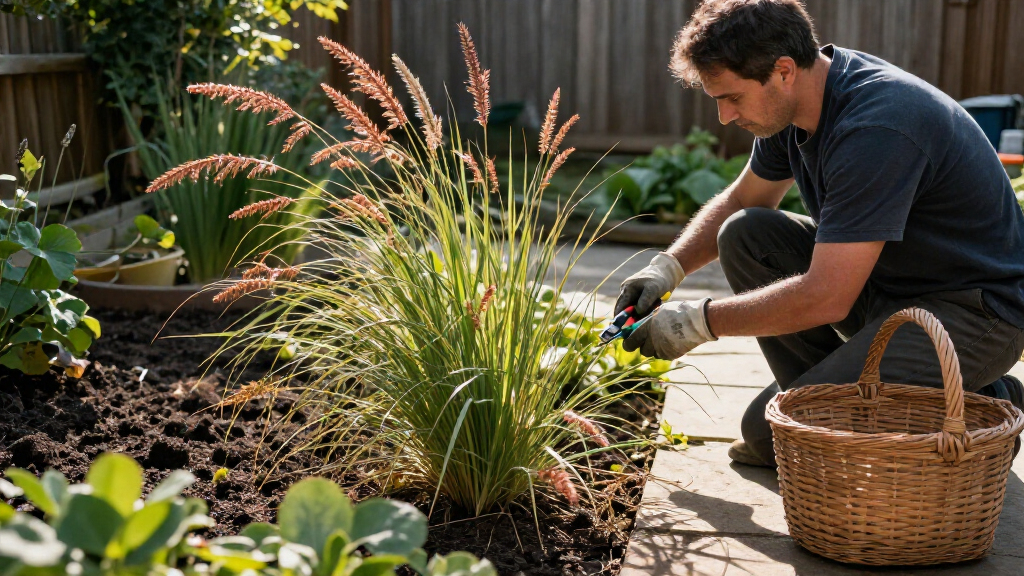
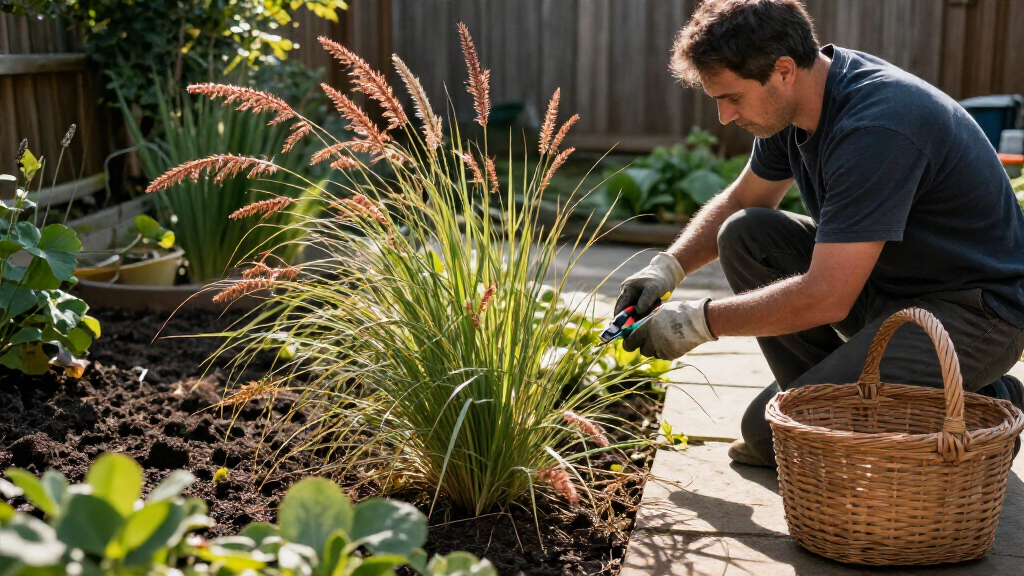
Many ornamental grasses need an annual cutback, but the timing and effort vary by type and climate. Consider whether you can reach the planting with pruning tools and where the removed foliage will go. Some gardeners leave standing grass through winter for texture and wildlife cover, then cut it back before fresh growth begins. That approach only works if the plant has enough room and does not block a path or view. A low-maintenance choice still needs a suitable site and occasional care; it does not mean no maintenance.
Choose Color for the Whole Growing Season
Foliage color, flowers, and seed heads may peak at different points in the season, so compare a grass’s appearance across the year rather than shopping by one photo. Bright or dark foliage can bring contrast, while pale plumes may read more softly against other plants. Decide whether you want a long-lasting foliage accent or a seasonal display that changes as the plant matures. Consider nearby flower and leaf colors too; a strong red or purple note can dominate a small bed. Mixing grasses with different bloom times and forms can extend interest without relying on a single dramatic specimen.
Check Local Guidance for Invasive or Restricted Grasses
Some ornamental grasses can spread beyond the space where they were planted or pose concerns in particular regions. Before ordering, search the exact species and cultivar with your state or local invasive-plant guidance, especially for pampas grass and other vigorous types. Also check whether the plant produces viable seed or spreads by roots, since those behaviors call for different containment plans. A plant that is suitable in one area may be discouraged or restricted in another. When local advice raises concerns, choose a noninvasive alternative with a similar height or texture.
Frequently Asked Questions
Should I buy ornamental grass seeds or live plugs?
Choose live plugs if you want a more direct start with fewer early growing steps, while recognizing that young plants still need time to establish. Seeds can suit larger planting plans or gardeners who are comfortable managing germination and uneven results. A high seed count does not tell you how many plants will grow successfully, so plan for some loss. For a small feature where each planting position matters, live plants make quantities easier to plan. For a broad area, seed may be appealing if you have patience and suitable growing conditions.
Are pampas grass seeds a good choice for a small garden?
They may not be the easiest fit for a small garden because pampas grass can become a large, attention-getting plant. Before buying, check mature dimensions and local guidance on whether the species is appropriate in your area. Seed starting also adds uncertainty about germination and the eventual number of plants. If space is limited, a compact grass can provide texture without taking over a border. Choose pampas only when you have room for its mature form and a clear plan for ongoing care.
Can purple or red fountain grass survive winter outdoors?
That depends on the exact plant and your local winter conditions; color names do not indicate cold tolerance. Check the listing’s hardiness information against your growing zone and ask a local source if the guidance is unclear. In colder areas, some gardeners treat tender grasses as annuals or grow them in containers that can be moved, but those approaches require extra effort. Do not assume a plant labeled perennial will return reliably in every climate. Make winter survival part of the buying decision rather than judging the grass by its summer appearance alone.
How many ornamental grasses should I order for a border?
Start with the intended spacing at mature size, not the number of plants in a listing. Measure the border, identify the grass’s expected spread, and leave room for neighboring plants and access for maintenance. Plugs may need time to fill a space, while larger potted plants can provide more immediate presence but still grow. Seed packets add extra uncertainty because not every seed will become an established plant. If you want a continuous effect, plan for the final planting pattern and accept that filling gaps may take time.
Will ornamental grasses need cutting back every year?
Many grasses benefit from a seasonal cutback, but the timing depends on the species, climate, and whether you want winter foliage left in place. Leaving dry stems through winter can preserve garden structure, while cutting them earlier may suit a tidier look or a site where they block access. Check whether fresh growth emerges from the base before cutting, and avoid cutting so late that new shoots are damaged. The amount of cleanup also depends on the plant’s mature size and density. If you want minimal seasonal work, choose a grass whose scale and upkeep fit the time you can give it.
Conclusion
For most buyers seeking a clear garden role and a more direct start, I recommend Karl Foerster Feather Reed Grass as the best overall. For best value, the Purple Love Grass seed option makes sense for patient gardeners planning a larger planting, while Flame Grass is my premium-style pick for buyers prioritizing seasonal color from a live starter plant. Beginners who want to avoid the extra steps of seed starting should start with a live plant or plug and choose a site suited to its mature size. For compact plantings, look at Blue Fescue; for a bold plume display, compare Pink Muhly and the fountain grasses, checking climate fit first. Choose pampas or other larger grasses only if your space and local guidance support them.