TL;DR

Get garden gear delivered free with Prime
- Fast, free delivery on millions of items
- Prime Video, Amazon Music and more included
- Member-only deals all year
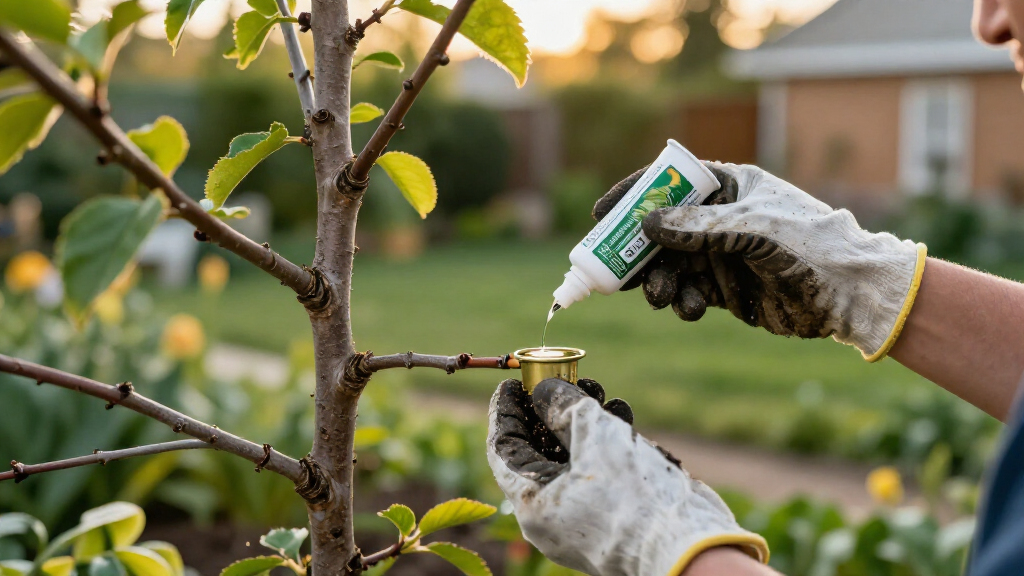
The Gardening Know How report says routine pruning paint and wound sealants are generally not recommended: they do not prevent decay and may trap moisture or interfere with a tree’s natural response. It describes a limited exception for some oak and elm cuts in areas where oak wilt or Dutch elm disease is present, but the supplied report excerpt ends before giving complete guidance on when or how to apply sealant.
Routine tree wound sealants are generally not recommended after pruning or storm damage, according to a Gardening Know How report summarizing guidance attributed to forestry institutions and the International Society of Arboriculture. The report says dressings do not reliably prevent decay and can trap moisture or hinder the tree’s natural response, while noting that some oak and elm cuts may be exceptions in areas affected by specific beetle-spread diseases.
The report says trees do not heal like people: rather than closing a wound with skin, they respond around damaged tissue and produce callus growth. On that basis, applying asphalt paint, tar or other routine dressing to a fresh cut is not the equivalent of covering a human injury. The article describes the modern general advice as leaving clean cuts unsealed and exposed.
According to the report, dressings can form an imperfect crust that cracks as bark expands and contracts. Rain may enter through those cracks and remain trapped beneath the coating, creating conditions that can support decay. The article also says thick coatings can cover living cells along wound margins and interfere with callus formation. These are the report’s explanations for why a measure intended as protection may not help a damaged tree.
The report identifies a narrower exception: fresh cuts on native oaks and elms in areas where oak wilt or Dutch elm disease is prevalent may attract beetles that spread those diseases. It frames sealant in such cases as a possible barrier against disease-carrying insects, not as a treatment that speeds healing. The supplied article excerpt ends before setting out the full exception guidance, so it does not establish precise timing, products or application instructions.
When a Tree Cut Needs Protection
For homeowners deciding what to do after a branch breaks, the distinction matters: routine use of pruning paint may add cost without preventing decay, and the report says it could keep moisture at a wound. The practical takeaway is not that every cut should be treated the same way, but that sealant is not a general-purpose tree remedy.
The exception also makes local disease conditions relevant. Oak wilt and Dutch elm disease are spread by beetles, according to the report, so a fresh cut on a susceptible tree may pose a different concern in an affected region. Because the source excerpt does not provide complete instructions, readers should check current local forestry or arboricultural advice before treating a cut as an exception.
Popular right now

Ninja DualZone Air Fryer 10 Qt Smart 6-in-1 Grey (DZ950)

Dyson Cyclone V10 Origin Cordless Vacuum

De'Longhi Rivelia Automatic Espresso Machine with Milk Frother
As an affiliate, we earn on qualifying purchases.
From Tar Dressings to Arborist Advice
The report traces the practice to an analogy between tree wounds and human cuts. During the early 20th century, petroleum-based paints and tar compounds were marketed as protective treatments. The article says later controlled trials, conducted by tree scientists and arborists, found that routine dressings did not prevent decay and in some studies were associated with faster rot or greater internal breakdown.
It attributes current advice against routine wound paint to leading forestry institutions and the International Society of Arboriculture. The supplied material does not name individual studies or provide their methods, dates or numerical results, so those details cannot be independently assessed from the excerpt alone.
““clean, unsealed tree cuts heal best on their own.””
— Gardening Know How report
Local Disease Risk Changes the Advice
The supplied report excerpt does not include the end of its discussion of oak and elm exceptions. It begins to refer to emergency trimming during a high-risk growing period but cuts off before stating the relevant timing or recommended action. It also gives no location-specific disease map, product guidance or instructions for storm-damaged trees. The precise advice for a particular tree therefore remains dependent on species, local disease risk and current regional recommendations.
The article summarizes studies and institutional guidance without naming the underlying trials in the provided material. Readers should treat its broad account as attributed reporting, not as a substitute for an assessment of a severely damaged or valuable tree by a qualified arborist.
Check Regional Oak and Elm Guidance
Before applying a dressing, identify the tree species and check whether oak wilt or Dutch elm disease is a concern in the area. For ordinary cuts, the report supports leaving wounds unsealed rather than applying paint or tar. If an oak or elm has a fresh cut in a disease-affected region, seek current guidance from a local extension service, forestry agency or qualified arborist; the excerpt does not supply enough detail to prescribe a sealant or schedule.
After storm damage, the immediate next step is to assess whether the branch break or trunk damage needs professional attention. The report does not give emergency pruning procedures, so hazardous limbs or substantial damage should not be managed on the basis of its sealant discussion alone.
Key Questions
Should I put pruning paint on every tree cut?
No. The Gardening Know How report says routine wound paint and sealants are generally discouraged because they do not reliably prevent decay and may trap moisture or interfere with callus formation.
Why can sealant make a tree wound worse?
The report says coatings can crack as bark moves, allowing rainwater beneath the surface while slowing evaporation. Thick dressings may also cover living cells at the wound margin.
Are there exceptions for oak or elm trees?
The report describes a possible exception for fresh cuts on some native oaks and elms in areas affected by oak wilt or Dutch elm disease, where beetles can spread the diseases. It does not include complete application instructions in the supplied excerpt.
Does sealant help a tree heal faster?
No such benefit is established in the report. It says the limited use it discusses is intended as a barrier against disease-carrying insects, not to speed healing.
What should I do after storm damage?
Do not assume that covering the wound is necessary. Check the tree species and local disease guidance; for hazardous limbs or major damage, consult a qualified arborist because the report does not provide storm-response instructions.
Source: gardeningknowhow.com