TL;DR

Get garden gear delivered free with Prime
- Fast, free delivery on millions of items
- Prime Video, Amazon Music and more included
- Member-only deals all year
Grow Organic’s fruit-tree pollination guide says successful planning depends on cultivar compatibility, bloom overlap, viable pollen and movement by insects or other agents. It recommends checking the specific pollinizer information for each variety rather than relying on general rules for a fruit type.
Grow Organic’s fruit-tree pollination guide advises orchard planners to check whether a variety is self-fruitful, identify a genetically compatible partner when needed, and confirm that the trees bloom at the same time. The guidance matters to home growers choosing trees because a second tree alone does not guarantee cross-pollination or fruit set.
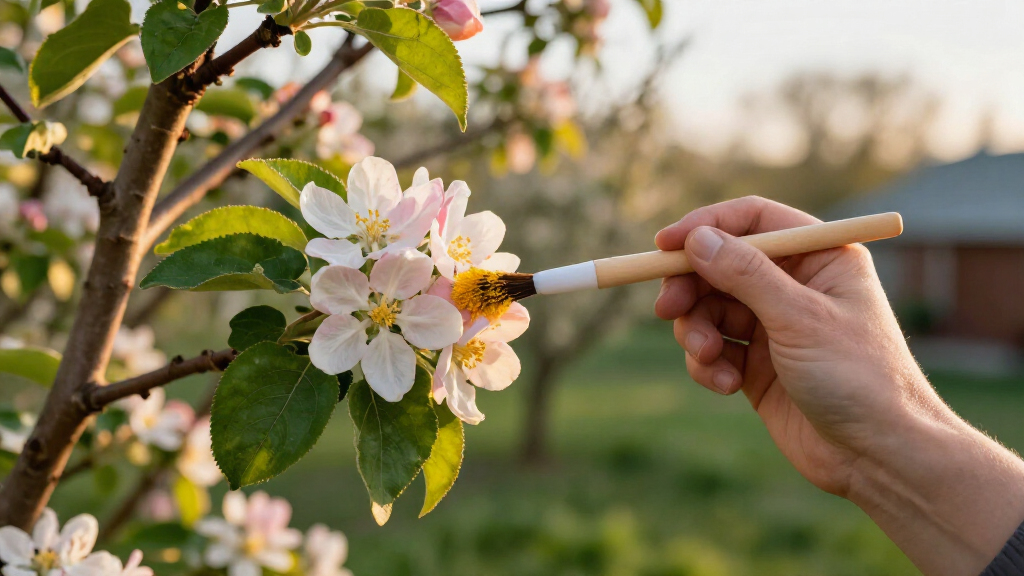
The guide identifies four conditions for cross-pollination: compatible cultivars, overlapping receptive bloom, viable pollen and pollen movement between flowers. A pollinizer is the plant supplying pollen; a pollinator is the agent carrying it. Bees and other insects perform most fruit-tree pollination, while wind plays a substantial role for some nut trees.
Self-fruitful varieties can set fruit using their own pollen, though another compatible cultivar may improve yield or consistency in some cases. Self-incompatible varieties need pollen from a genetically different, compatible cultivar. The guide cautions that having male and female flower structures does not, by itself, mean a tree can fertilize itself.
For home orchards, Grow Organic gives roughly 50 to 100 feet as a practical target for placing compatible trees when space allows, while stressing that no single distance suits every site. Weather, barriers and local insect activity can affect pollen movement. The report recommends checking each variety’s product-page pollinizer information before purchase.
Matching Trees Before Planting
Pollination choices can determine whether a tree has access to suitable pollen when its flowers are receptive. A grower who plants two trees of the same named cultivar may not have created a useful cross-pollination pair: the guide says trees of the same cultivar are genetically alike and generally do not provide cross-pollination.
Bloom timing matters as much as cultivar choice. “Early,” “midseason” and “late” labels can help compare varieties, but the report says weather can shift bloom dates by location and year. Insects also need to be active and able to travel between flowers; cool, rainy or windy conditions may reduce activity and fruit set.
These factors make the guidance relevant before ordering, when growers can still choose a compatible pair, select a self-fruitful variety or consider a multi-graft tree. It also discourages treating a nearby but unidentified tree as a reliable pollination plan.
As an affiliate, we earn on qualifying purchases.
Crop Rules Vary by Cultivar
The report offers broad patterns, while warning that they do not replace variety-specific recommendations. Most apples benefit from or require pollen from another compatible apple or crabapple, and some apple cultivars are poor pollen donors. Pears generally benefit from two compatible cultivars; Asian and European pears can sometimes overlap in bloom, but timing may limit dependable pollination.
Many sweet cherries need a compatible cultivar from a different compatibility group, while some are self-fruitful. Many tart cherries are self-fruitful. Many common peaches and nectarines can set fruit alone, although exceptions exist. Requirements for plums and hybrids vary widely, and behavior among apricots, persimmons, figs and nut trees also depends on crop and cultivar.
Grow Organic says growers should compare bloom periods, not harvest dates: varieties that ripen at different times may still pollinate each other if their flowers overlap. Its planning materials also point growers to climate, chill-hour, hardiness, rootstock, spacing, mature-size and harvest-season checks alongside pollination.
Site Conditions Still Matter
The report does not provide a universal compatibility chart or a single distance that guarantees fruit set. Specific partner recommendations, bloom dates and self-fruitfulness depend on the named cultivar, so broad crop-level patterns cannot establish whether two particular trees will work together.
Local bloom timing can vary with weather and location, and actual pollen transfer depends on insect activity and site conditions. A neighbor’s tree or nearby crabapple may contribute pollen, but its identity, bloom overlap and continued presence may be uncertain. The source material also does not state when the guide was published or provide independent measurements of outcomes.
Verify Partners Before Ordering
Growers should start with the product page for the variety they want and check whether it is self-fruitful or needs a pollinizer. If a partner is required, the report recommends choosing from the named compatible varieties, then checking both trees’ suitability for local climate and winter chill, bloom overlap, mature size and rootstock.
For limited space, the guide suggests considering a self-fruitful cultivar or a multi-graft tree whose cultivars are properly matched; balanced pruning is needed to maintain grafts. An experienced grower may also graft a compatible pollinizer branch onto an established tree. Before planting, growers should confirm the exact cultivar recommendations and plan for practical pollen movement at the site.
Key Questions
Does every fruit tree need a second tree?
No. Some cultivars are self-fruitful and can set fruit with their own pollen. Others need pollen from a compatible cultivar. Check the recommendation for the exact variety, since fruit type alone does not settle the question.
Do two trees of the same variety pollinate each other?
Grow Organic says trees of the same named cultivar are genetically alike and generally do not provide cross-pollination. A required partner should be a different cultivar identified as compatible.
How close should compatible fruit trees be?
The guide gives roughly 50 to 100 feet as a practical home-orchard target when space allows, not a guaranteed rule. Site conditions and pollinator activity affect whether pollen moves between trees.
Should bloom dates or harvest dates match?
Bloom periods need to overlap for cross-pollination. Harvest dates do not need to match; trees that ripen at different times may still be partners if their flowers are open together.
Can a nearby neighbor’s tree serve as a pollinizer?
It may contribute pollen if it is compatible, close enough and blooming at the same time. The guide cautions that relying on an unidentified neighborhood tree is less dependable than planting a verified partner.
Source: rss
Fall yard work Picks
leaf blowers
As an affiliate, we earn on qualifying purchases.