TL;DR
Listen free for 30 days with Audible
Thousands of audiobooks and originals — cancel anytime.
Start your free trialAs an affiliate, we earn on qualifying purchases.
Interest in autumn plants that attract bees and butterflies is rising, driven by gardeners seeking to support pollinators. Experts recommend specific plants for a fall feast for pollinators, though full details are still emerging.
Gardening experts and pollinator advocates are emphasizing the importance of planting specific autumn blooms that attract bees and butterflies, as interest in creating pollinator-friendly gardens peaks this fall. While detailed recommendations are emerging, one plant is gaining particular attention for its ability to draw pollinators during the late season.
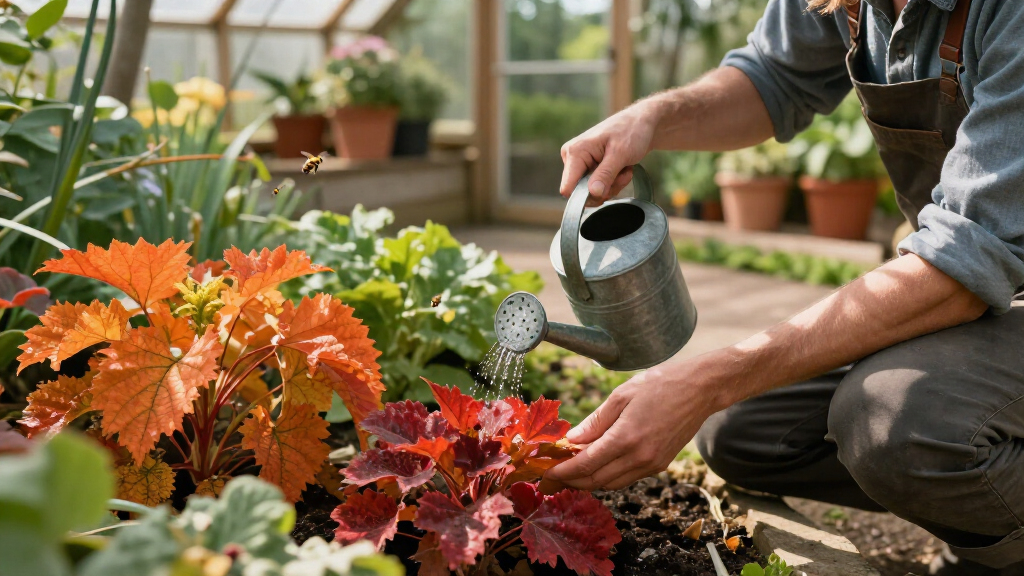
Recent gardening trend signals indicate a surge in searches and coverage about autumn plants that support pollinators, especially bees and butterflies. Experts suggest that planting certain species can significantly enhance pollinator activity during the fall months, providing vital food sources before winter. Every Garden Needs One Plant That Makes Containers Look Full Instantly. The plant most frequently highlighted in early reports is the Japanese Anemone, known for its late-season blooms that attract a variety of pollinators. Although the trend is gaining momentum, specific planting guidelines and the full list of recommended species are still being finalized by horticultural authorities and environmental groups. For ideas on plants that thrive in fall, see Every Garden Needs One Evergreen That Thrives On Neglect.
According to horticultural sources, Japanese Anemone blooms from late summer into fall, offering nectar and pollen when many other flowers have finished. Its resilience and extended flowering period make it an ideal choice for gardeners aiming to support declining pollinator populations. Consider adding plants that can handle drought, such as Every Garden Needs One Plant That Can Handle Drought. Experts also note that planting a mix of native and non-native autumn plants can maximize pollinator visits, but the focus remains on species proven to attract bees and butterflies during this critical period.
While the trend is clear, it is important to recognize that detailed scientific studies on specific autumn plants’ effectiveness are still in progress. The current recommendations are based on observational data and gardening experience, with further research expected to refine best practices for pollinator support in fall gardens.
Why Supporting Pollinators in Fall Matters
Supporting bees and butterflies during autumn is crucial because it helps sustain pollinator populations before winter, when food sources become scarce. Pollinators play a vital role in the broader ecosystem, contributing to the pollination of many crops and native plants. By planting species like the Japanese Anemone, gardeners can provide essential nourishment during a time when natural floral resources decline, thereby aiding pollinator survival and ecological health. This trend reflects a growing awareness of the importance of year-round pollinator support, especially amid concerns over declining bee populations and climate change impacts.
As an affiliate, we earn on qualifying purchases.
Rising Interest in Pollinator-Friendly Autumn Gardening
The interest in autumn plants that attract pollinators has surged in recent months, driven by environmental awareness and gardening communities seeking to support declining bee and butterfly populations. Historically, most pollinator efforts focused on spring and summer, but recent coverage and search interest indicate a shift toward fall as a critical period for providing food sources. Experts note that this trend is partly fueled by broader concerns about pollinator declines, habitat loss, and climate change. While specific plant recommendations are still being refined, the focus on late-season blooms like the Japanese Anemone aligns with these conservation goals. The trend also coincides with increased gardening activity during the fall, as homeowners and landscapers aim to create resilient, eco-friendly outdoor spaces.
Unconfirmed Details About Specific Plant Effectiveness
It is not yet clear which autumn plants are definitively the most effective at attracting bees and butterflies, as ongoing studies are still evaluating various species’ performance. While anecdotal evidence and observational data support certain plants like the Japanese Anemone, comprehensive scientific validation is still pending. Details about optimal planting strategies, regional suitability, and long-term benefits remain under review by researchers and horticultural experts. Until more conclusive data is available, recommendations should be considered provisional and adaptable based on local conditions.Further Research and Garden Trials Expected
Researchers and horticultural organizations plan to conduct targeted studies on autumn plants’ attractiveness to pollinators, aiming to establish evidence-based guidelines. Meanwhile, gardening groups and environmental advocates will likely promote the use of proven species like the Japanese Anemone and native alternatives. Gardeners are encouraged to experiment with a variety of late-season blooms, monitor pollinator activity, and share results to contribute to ongoing understanding. Expect updates on best practices and new plant recommendations as scientific insights develop over the coming months.
Key Questions
Which autumn plant is best for attracting bees and butterflies?
While recommendations vary, the Japanese Anemone is frequently cited as an effective late-season bloom that attracts pollinators. However, ongoing research aims to identify the most effective species for different regions and conditions.
When should I plant autumn flowers to support pollinators?
Plant autumn blooms like the Japanese Anemone in late summer to early fall, ensuring they are established before peak pollinator activity begins. This timing helps maximize nectar availability during critical late-season periods.
Are native plants better than non-native options for pollinators?
Native plants are generally preferred because they are adapted to local ecosystems and often provide better food sources for native pollinators. However, some non-native species like the Japanese Anemone also attract pollinators and can be part of a diverse planting strategy.
Is there scientific evidence supporting these plant choices?
Current recommendations are based on observational data and gardening experience, with scientific studies ongoing. Definitive, evidence-based guidelines are expected to be published in the future.
What other plants can I include in my fall pollinator garden?
Besides Japanese Anemone, consider planting asters, goldenrod, sedum, and coneflowers, which are known to attract pollinators late into the season. Local native species are also highly beneficial.
Source: rss
Fall Picks
fall essentials
As an affiliate, we earn on qualifying purchases.