
TL;DR

Get garden gear delivered free with Prime
- Fast, free delivery on millions of items
- Prime Video, Amazon Music and more included
- Member-only deals all year
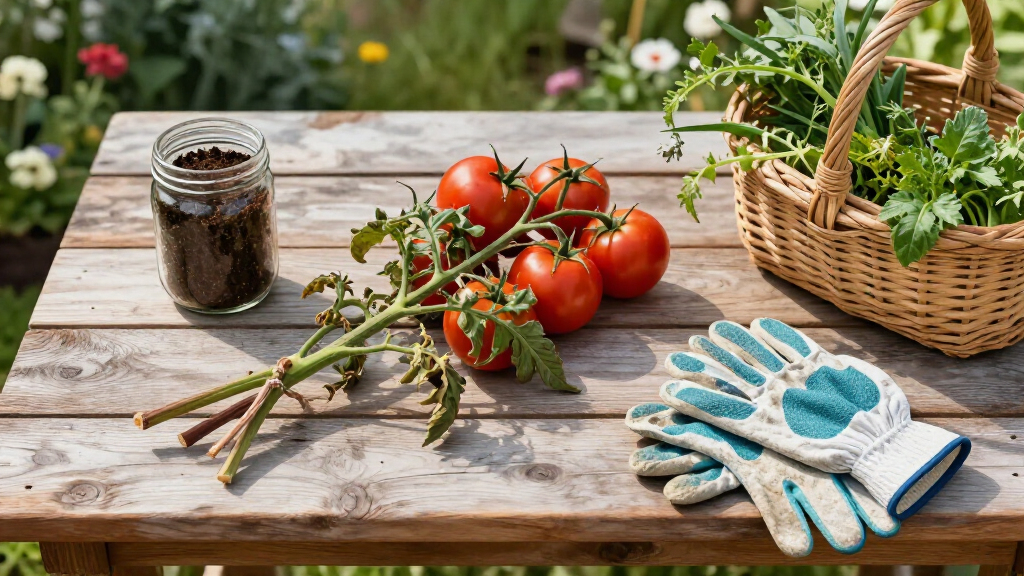
Interest in reusing spent tomato vines is rising as gardeners seek sustainable practices. Experts suggest six effective ways to repurpose vines, reducing waste and enhancing garden health. This trend is driven by growing environmental awareness, though specific developments are still emerging.
Growing attention to sustainable gardening has led to a surge in interest in reusing spent tomato vines in innovative ways, beyond traditional composting. Experts say these methods can help reduce waste and enhance garden productivity, making them valuable for eco-conscious gardeners.
Recent trend analysis indicates a spike in online searches and discussions around reusing tomato vines, with gardeners exploring methods such as creating natural trellises, making herbal infusions, and using vines as natural mulch. While these practices are gaining popularity, they are still considered emerging, with limited formal research backing some claims.
Gardening communities and environmental advocates emphasize that repurposing tomato vines can contribute to waste reduction and promote sustainable practices. However, there is no single authoritative guideline, and methods vary in effectiveness based on local conditions and plant health.
Experts caution that some ideas, like using vines directly as mulch, require proper preparation to prevent disease. Overall, the trend reflects a broader shift towards resourcefulness and eco-friendly gardening practices.
Environmental and Practical Benefits of Reusing Tomato Vines
This trend matters because it offers gardeners practical ways to reduce organic waste, decrease reliance on chemical fertilizers, and promote healthier soil. Reusing tomato vines aligns with broader sustainability goals, potentially lowering waste in landfills and reducing greenhouse gas emissions associated with waste decomposition.
Furthermore, these methods can improve garden resilience, support biodiversity, and reduce costs for gardeners by minimizing the need for purchased mulches or trellises. As interest grows, widespread adoption could influence sustainable gardening practices on a larger scale.
As an affiliate, we earn on qualifying purchases.
Growing Interest in Sustainable Gardening Practices
The practice of reusing garden waste has gained momentum as environmental concerns and climate awareness increase. While composting remains the most common method, alternative reuse strategies are emerging, driven by the desire to maximize resource efficiency.
Recent reports highlight a rise in online searches for ways to repurpose plant debris, including tomato vines. This interest coincides with broader trends towards eco-friendly lifestyles and urban gardening. However, most of these practices are still in the experimental or early adoption phase, with limited formal studies or guidelines available.
Historically, gardeners have used plant residues as mulch or soil amendments, but newer ideas focus on innovative reuse methods that go beyond traditional practices.
Unconfirmed Details About Long-Term Effectiveness
While the trend is gaining traction, it is not yet clear how effective or sustainable some of these methods are over the long term. There is limited scientific data supporting the durability and safety of certain practices, such as using vines directly as mulch or herbal infusions.
Experts warn that improper reuse could lead to issues like disease transmission or pest attraction, but definitive studies are lacking. The full environmental impact and best practices are still being evaluated.
Monitoring Adoption and Scientific Validation
Researchers and gardening organizations are expected to conduct studies to validate the effectiveness and safety of these reuse methods. Meanwhile, gardening communities will likely continue experimenting with and sharing their experiences.
As awareness grows, more formal guidelines and best practices may emerge, helping gardeners implement these techniques confidently and sustainably. The trend could influence broader sustainable gardening initiatives if proven effective.
Key Questions
Can I use spent tomato vines directly as mulch?
Yes, but it is recommended to dry the vines thoroughly and ensure they are disease-free to prevent potential issues like mold or pests.
What are some safe ways to make herbal infusions from tomato vines?
Typically, you can steep dried vine pieces in water or oil to create natural infusions, but ensure the vines are free from pesticides or disease before use.
Are there any risks associated with reusing tomato vines?
Potential risks include disease transmission or attracting pests if vines are not properly prepared. Proper drying and sanitation are essential.
How can I tell if a vine reuse method is effective?
Effectiveness can be assessed by observing plant health, soil improvement, and the absence of pests or disease over time. Consulting gardening experts can also help.
Where can I find more ideas or guides for reusing tomato vines?
Gardening forums, sustainable gardening websites, and local extension services often share innovative reuse methods and tips for gardeners.
Source: rss
Halloween Picks
halloween
As an affiliate, we earn on qualifying purchases.