
AIThis post was created with the assistance of artificial intelligence (AI).
TL;DR

Before you orderOffer from Amazon
Get garden gear delivered free with Prime
- Fast, free delivery on millions of items
- Prime Video, Amazon Music and more included
- Member-only deals all year
Start your free Prime trial Free trial for eligible customers · Cancel anytime
As an affiliate, we earn on qualifying purchases.
The upcoming Thunder Moon will be visible at the end of July, signaling a period of increased summer storms. Gardeners are advised to take specific steps to safeguard their plants and property. This article provides confirmed details and practical tips for preparation.
At a glance
reportWhen: scheduled to appear at the end of July,…
The developmentThe Thunder Moon is expected to rise at the end of July, prompting gardeners to prepare for summer storms with recommended protective measures.
Why Gardeners Should Prepare for the Thunder Moon’s Storms
This lunar event serves as a cultural and seasonal marker indicating increased likelihood of thunderstorms and heavy rain. Proper preparation can prevent damage to plants, trees, and garden structures, saving time and resources. Understanding the link between the Thunder Moon and storm activity helps gardeners plan ahead, ensuring their gardens remain healthy and protected during peak storm periods. Additionally, proactive measures can reduce the risk of property damage and safety hazards caused by severe weather. Recognizing this event as a seasonal cue encourages timely action, especially in regions prone to summer storms.Amazon
As an affiliate, we earn on qualifying purchases.
Historical and Meteorological Context of the Thunder Moon
The name ‘Thunder Moon’ originates from indigenous and folklore traditions, marking the full moon in late July associated with thunderstorm activity. Meteorological data over recent years shows a pattern of increased storm frequency during this period, aligning with the lunar cycle. Experts note that while the moon itself does not influence weather, cultural traditions have historically linked the two, offering a seasonal reminder for preparedness. This year, forecasts from the National Weather Service indicate a heightened chance of thunderstorms coinciding with the Thunder Moon, reinforcing the need for garden and property protection measures. The event’s timing varies slightly each year but generally occurs within the last days of July.“While the moon doesn’t cause storms, historically, the Thunder Moon has been associated with increased thunderstorm activity in many regions. It’s a good reminder for gardeners to prepare.”
— Dr. Laura Chen, Meteorologist
Unconfirmed Aspects of Storm Activity Linked to the Thunder Moon
While historical patterns suggest increased storm activity during the Thunder Moon, exact timing and severity of storms this year remain uncertain. Weather forecasts predict a higher likelihood of thunderstorms, but specific impacts and regional variations are still developing. The direct influence of the lunar event on weather patterns is not scientifically established, and weather conditions may vary based on other atmospheric factors.Next Steps for Gardeners as the Thunder Moon Approaches
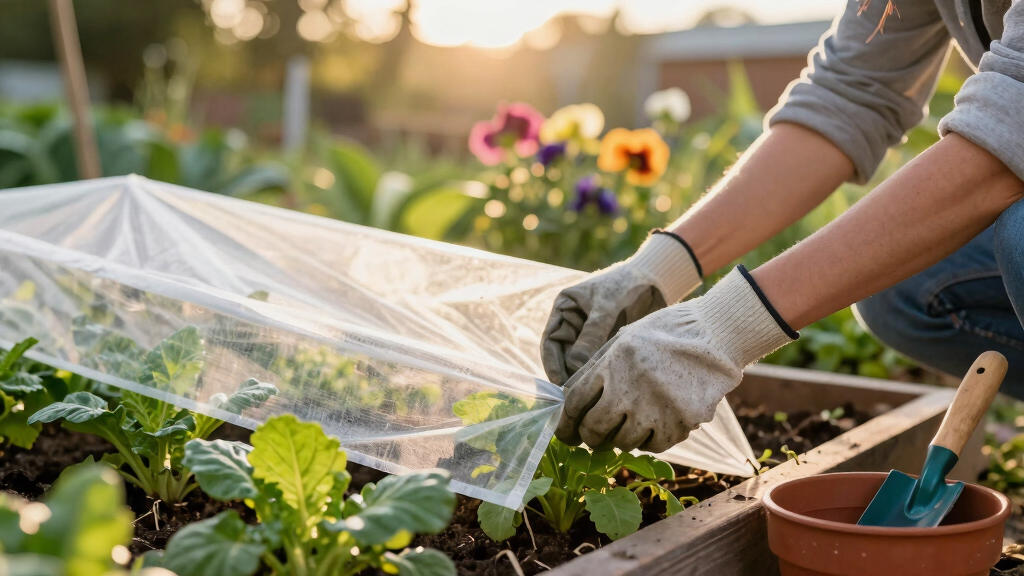
Gardeners should begin inspecting their outdoor spaces now, securing loose items, pruning trees, and preparing protective coverings. Monitoring local weather alerts throughout late July will help determine the best times for active storm protection. Experts recommend completing major protective measures before the expected rise of thunderstorms, which are forecasted to peak around the last days of July. Continued updates from meteorological agencies will clarify the severity and timing of storms, guiding further action if needed.Key Questions
When exactly will the Thunder Moon be visible?
The Thunder Moon is expected to rise around July 29-31, depending on your location, with peak visibility during the last days of July.Does the Thunder Moon actually cause thunderstorms?
No, the moon does not cause storms. The name ‘Thunder Moon’ is traditional and culturally linked to increased thunderstorm activity during this period, but weather is driven by atmospheric conditions.What are the best ways to prepare my garden for storms?
Secure loose items, prune weak branches, protect vulnerable plants with coverings, and ensure drainage is adequate to handle heavy rain.Should I expect more storms this year because of the Thunder Moon?
Meteorological forecasts suggest a higher likelihood of thunderstorms during this period, but the exact number and severity of storms remain uncertain.Are there specific plants more vulnerable during storms?
Yes, tall or weak-stemmed plants, potted plants, and young saplings are more susceptible to damage from strong winds and heavy rain.Source: rss
Halloween Picks
halloween
halloween
As an affiliate, we earn on qualifying purchases.