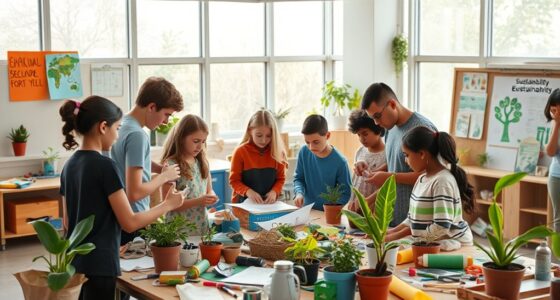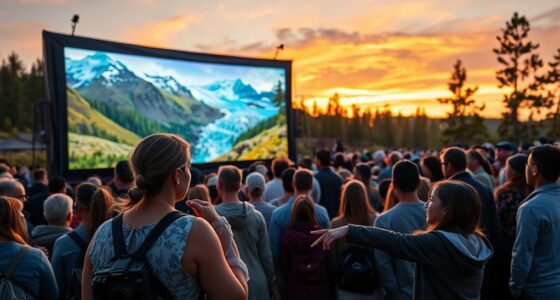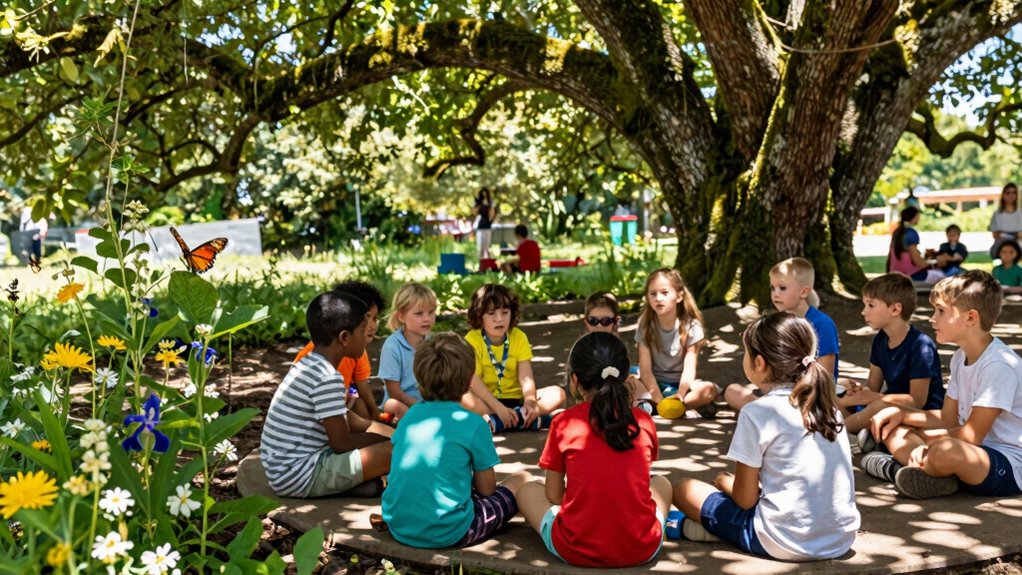

To make an environmental lesson memorable, engage your students with real experiences like visits to parks or conservation projects. Encourage hands-on activities such as planting trees or recycling drives to reinforce eco-friendly habits. Share personal stories and relatable examples that connect to their daily lives, making the lesson feel meaningful. Emotional and personal relevance inspire lasting change, while active participation creates strong mental images. Keep exploring these strategies to deepen their understanding and motivation further.

Get garden gear delivered free — and shop member deals
- Fast, free delivery on millions of items
- Access to Prime Big Deal Days deals on October 6–7
- Prime Video, Amazon Music and more included
Key Takeaways
- Personal experiences with nature create vivid emotional connections that enhance memory and understanding.
- Stories and real-life examples make abstract environmental concepts relatable and easier to recall.
- Hands-on activities foster active participation, reinforcing sustainable habits through experiential learning.
- Connecting lessons to personal values and daily life increases emotional relevance and lasting impact.
- Inspiring ongoing action and demonstrating tangible environmental benefits motivate long-term commitment.
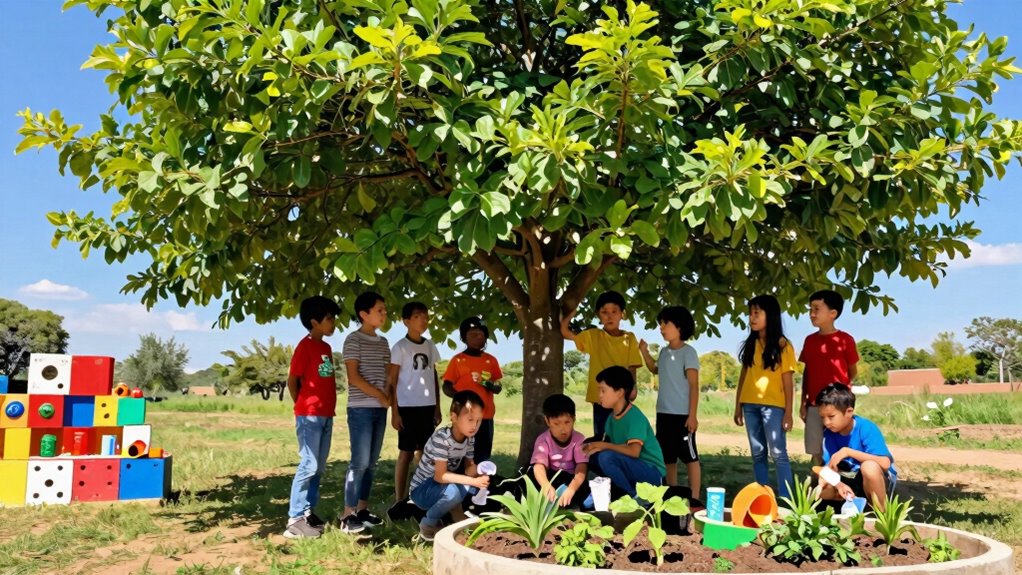
Have you ever wondered how much you can learn from the environment around you? The natural world is full of lessons waiting to be uncovered, and when you engage with it thoughtfully, those lessons stick. An environmental lesson becomes memorable when it resonates with your daily life, inspiring you to adopt sustainable practices and eco friendly habits. It’s not just about memorizing facts; it’s about feeling connected and motivated to make a difference. When you see how your choices impact the environment, the lesson transforms from abstract information into a personal commitment.
Engage with nature to turn environmental lessons into personal commitments that inspire lasting change.
One key to making an environmental lesson memorable is experiencing it firsthand. Instead of reading about pollution or deforestation, visiting a local park or conservation project makes the issue real. When you see the effects of environmental neglect or the beauty of restored habitats, it sparks an emotional response that sticks with you. These experiences create a vivid mental image, making it easier to remember and apply what you’ve learned. For example, witnessing a community clean-up highlights the importance of individual effort and community action, reinforcing the value of eco friendly habits.
Stories and personal connections also make lessons memorable. When teachers or guides share real-life examples, they help you see the tangible impact of sustainable practices. Hearing how a simple change, like reducing plastic use or conserving water, can make a difference turns an abstract concept into an achievable goal. You’re more likely to remember and replicate these habits when they’re tied to a story that resonates with your values or experiences. Making lessons personal fosters a sense of responsibility and empowers you to take action. Recognizing the importance of biodiversity helps deepen your understanding of the interconnectedness of life on Earth, further motivating sustainable living.
Furthermore, interactive learning methods make environmental lessons stick. Activities like planting trees, participating in recycling drives, or creating art from recycled materials turn passive listening into active participation. These hands-on experiences help you internalize the importance of eco friendly habits and sustainable practices. Experiential learning enhances understanding by engaging multiple senses and reinforcing the lesson through physical involvement. Incorporating environmental education strategies can also help solidify these lessons and inspire long-term stewardship of the planet. Additionally, understanding the principles of design thinking can aid in developing innovative solutions to environmental challenges, making lessons more relevant and engaging.
Ultimately, a memorable environmental lesson leaves you inspired and equipped to act. It’s about sparking curiosity, fostering emotional connections, and demonstrating that small, consistent actions matter. When you see how your choices contribute to a healthier planet, the lesson becomes a part of your identity. That’s what makes an environmental lesson truly unforgettable—its ability to inspire lasting change through personal relevance and meaningful experience.
kids environmental education kits
As an affiliate, we earn on qualifying purchases.
As an affiliate, we earn on qualifying purchases.
Frequently Asked Questions
How Can Teachers Personalize Environmental Lessons for Diverse Student Groups?
To personalize environmental lessons for diverse student groups, you should incorporate cultural relevance and foster student engagement. You can do this by connecting topics to students’ backgrounds, experiences, and local environments, making lessons more meaningful. Use varied teaching methods, encourage student input, and include real-world examples that resonate with different cultures. This approach helps students feel valued and motivated, ensuring the lesson is memorable and impactful for everyone.
What Role Do Local Environmental Issues Play in Lesson Memorability?
You find that local environmental issues considerably boost lesson memorability through community engagement and cultural relevance. For example, involving students in a local river cleanup connects them directly to their environment, making lessons more meaningful. When students see how issues impact their community and culture, they’re more likely to remember and apply what they learn, fostering a deeper, lasting understanding of environmental challenges.
How Do Hands-On Activities Enhance Environmental Learning Experiences?
Hands-on activities like interactive experiments and outdoor exploration make environmental lessons memorable by actively engaging you. When you participate directly, you better understand complex concepts and see real-world impacts. These experiences foster curiosity and make learning enjoyable, helping you remember key lessons longer. By involving your senses and encouraging exploration, you develop a deeper connection to the environment and its issues, making the knowledge stick.
Can Storytelling Make Environmental Lessons More Impactful?
Imagine your environmental lessons as stories that stick. Yes, storytelling makes lessons more impactful by weaving narrative techniques that captivate your audience. It sparks emotional engagement, turning facts into relatable experiences. When you share stories about nature’s beauty or environmental challenges, you evoke feelings that inspire action. This emotional connection guarantees students remember and care about what they learn, making your lessons truly unforgettable.
What Technology Tools Effectively Reinforce Environmental Concepts?
You can effectively reinforce environmental concepts with technology tools like interactive simulations and digital storytelling. Interactive simulations allow you to engage directly with environmental processes, making abstract ideas tangible. Digital storytelling helps you connect emotionally and visually with environmental issues, fostering deeper understanding. Combining these tools keeps your lessons dynamic and memorable, encouraging active participation and helping you grasp complex ecological concepts more clearly.
Conclusion
By making lessons engaging and relevant, you’re more likely to leave a lasting impression on your students. Did you know that students retain 90% of what they teach others? Incorporate hands-on activities, real-world examples, and stories to make environmental lessons memorable. When students connect emotionally and practically with the material, they’re more motivated to protect our planet. So, keep lessons lively and meaningful—your students will thank you, and the environment will too.
Halloween Picks
halloween
As an affiliate, we earn on qualifying purchases.